Picture this: you’re making a delicious pesto, but you're out of fresh basil! A quick trip to the grocery store solves the problem, but what if you could extend the life of that store-bought basil and create an endless supply? The good news is, with a little know-how, you absolutely can! Growing Basil From Store-Bought: A Complete Guide So, can you really grow basil from store bought bunches? Absolutely! It's a fantastic way to save money, reduce waste, and enjoy fresh basil whenever you need it. However, the success of growing basil from store bought depends on a few key factors. This article will walk you through the entire process, from selecting the right basil to harvesting your homegrown leaves. We'll cover everything you need to know to successfully propagate basil from your grocery store haul. Selecting the Right Store-Bought Basil for Propagation Not all store-bought basil is created equal when it comes to propagation. To increase your ...
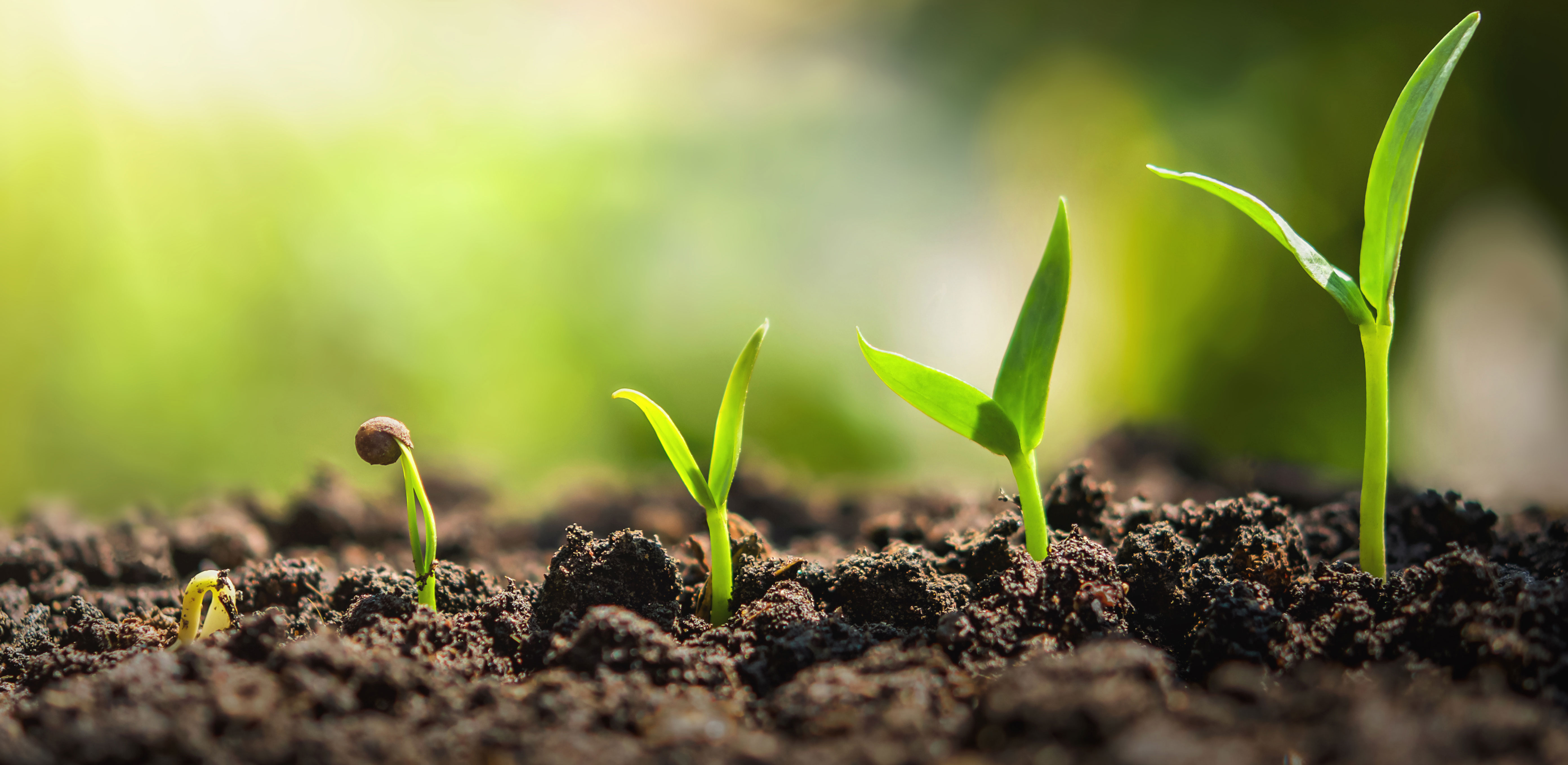
There's nothing quite like the fresh, peppery aroma of basil wafting from your garden. And the best part? You don't need acres of land to enjoy it. Growing basil in pots is a fantastic way to bring this culinary gem right to your doorstep, even if you only have a small balcony or patio. But to get the most out of your potted basil, you'll need a few essential tips and tricks up your sleeve. Let's dive in!
Choosing the Right Pot for Growing Basil
The foundation of successful potted basil starts with selecting the right container. Think of it as building a cozy home for your plant; the more comfortable it is, the better it will thrive. Here's what to consider:
Size Matters
Basil needs room to spread its roots, so choose a pot that's at least 12 inches in diameter and 12 inches deep. This will provide adequate space for the roots to grow and prevent the plant from becoming root-bound. A pot that's too small will restrict growth, leading to a stunted and less productive plant.
Remember, basil isn't a solitary creature! If you're planning to grow multiple basil plants in one pot, increase the size accordingly. A general rule of thumb is to allow at least 6 inches of space between plants.
Material Considerations
Pots come in all shapes, sizes, and materials, each with its own advantages and disadvantages. Here's a quick rundown:
- Terracotta: These pots are porous, allowing for good air circulation and drainage. However, they can dry out quickly, especially in hot weather, so you'll need to water more frequently.
- Plastic: Plastic pots are lightweight, inexpensive, and retain moisture well. However, they can overheat in direct sunlight and don't breathe as well as terracotta.
- Glazed Ceramic: These pots are aesthetically pleasing and retain moisture well, but they can be heavy and expensive.
- Fabric Pots: These are becoming increasingly popular due to their excellent drainage and aeration. They also promote air pruning, which encourages a stronger root system.
Drainage is Key
Regardless of the material you choose, ensure that your pot has adequate drainage holes. Basil hates sitting in soggy soil, which can lead to root rot. If your pot doesn't have drainage holes, you can drill some yourself, or add a layer of gravel at the bottom of the pot to improve drainage.
Soil Selection: The Perfect Growing Medium for Potted Basil
Just as important as the pot itself is the soil you use. Basil thrives in well-draining, nutrient-rich soil. Here's how to create the perfect growing medium for your potted basil:
Avoid Garden Soil
While it might be tempting to scoop up some soil from your garden, resist the urge! Garden soil is often too heavy and compact for container gardening, which can restrict drainage and suffocate the roots. It also might contain pests and diseases.
Use a High-Quality Potting Mix
Instead, opt for a high-quality potting mix specifically formulated for container gardening. These mixes are typically composed of a blend of peat moss, perlite, and vermiculite, which provide excellent drainage and aeration. Consider mixing in some compost, worm castings, or other organic matter to enrich the soil with nutrients.
DIY Soil Mix Recipe
If you're feeling adventurous, you can create your own potting mix using the following recipe:
- 1 part peat moss or coco coir (for moisture retention)
- 1 part perlite (for drainage and aeration)
- 1 part compost (for nutrients)
Mix these ingredients thoroughly before planting your basil.
Planting Your Basil Seedlings or Cuttings
Now that you've chosen the perfect pot and soil, it's time to plant your basil. You can start basil from seeds or purchase seedlings from a nursery. Here's how to do both:
Starting from Seed
Starting basil from seed is a rewarding and cost-effective way to grow your own plants. Here's the process:
- Sow seeds indoors: Start your seeds indoors 6-8 weeks before the last expected frost. Sow the seeds thinly in a seed-starting tray filled with seed-starting mix.
- Provide warmth and light: Keep the soil moist and warm (around 70-75°F) using a heat mat or by placing the tray in a warm location. Provide plenty of light, either from a sunny window or a grow light.
- Transplant seedlings: Once the seedlings have developed several sets of true leaves (the leaves that look like miniature basil leaves), they can be transplanted into individual pots or directly into your outdoor container.
Planting Seedlings or Cuttings
Whether you're using seedlings or cuttings, the planting process is similar:
- Prepare the pot: Fill the pot with your chosen potting mix, leaving about an inch of space at the top.
- Create a hole: Dig a hole in the soil that's large enough to accommodate the root ball of the seedling or cutting.
- Plant the basil: Gently remove the seedling or cutting from its container and place it in the hole. Make sure the top of the root ball is level with the soil surface.
- Fill and water: Fill in the hole with soil and gently pat it down. Water thoroughly until the water drains out of the drainage holes.
Sunlight, Watering, and Fertilizing: The Key to Thriving Basil Plants
Once your basil is planted, it's crucial to provide it with the right conditions to thrive. This includes ample sunlight, consistent watering, and regular fertilization.
Sunlight Requirements
Basil loves sunshine! It needs at least 6-8 hours of direct sunlight per day to grow and produce flavorful leaves. Place your potted basil in a sunny location, such as a south-facing balcony or patio. If you don't have enough sunlight, you can supplement with a grow light.
Watering Techniques
Watering is crucial for healthy basil growth. Basil prefers consistently moist soil, but it doesn't like to be waterlogged. Water deeply whenever the top inch of soil feels dry to the touch. Avoid overhead watering, as this can lead to fungal diseases. Instead, water at the base of the plant.
During hot weather, you may need to water your basil more frequently, possibly even daily. Check the soil moisture regularly to determine when watering is needed.
Fertilizing for Lush Growth
Basil is a heavy feeder, meaning it needs a steady supply of nutrients to grow vigorously. Fertilize your potted basil every 2-3 weeks with a balanced liquid fertilizer, such as a 10-10-10 or 20-20-20 formula. You can also use an organic fertilizer, such as fish emulsion or compost tea. Always follow the instructions on the fertilizer label.
Harvesting and Pruning: Encouraging Bushier Growth
Harvesting and pruning are essential for encouraging bushy growth and preventing your basil from flowering. Flowering basil produces bitter leaves, so it's important to keep it pruned back.
Harvesting Techniques
Start harvesting your basil leaves once the plant has reached about 6-8 inches in height. To harvest, simply pinch off the leaves at the stem, just above a set of leaves. This will encourage the plant to branch out and produce more leaves.
You can harvest basil leaves throughout the growing season. The more you harvest, the bushier the plant will become.
Pruning for Bushier Plants
In addition to harvesting, you can also prune your basil to encourage bushier growth. To prune, simply pinch off the top set of leaves at the stem. This will encourage the plant to produce two new stems, resulting in a bushier plant.
Regularly prune your basil to prevent it from flowering. Once the plant starts to flower, the leaves will become bitter.
Common Problems and Solutions for Potted Basil
Even with the best care, your potted basil may encounter some common problems. Here's how to identify and address them:
Pests
- Aphids: These tiny insects can suck the sap from basil leaves, causing them to yellow and curl. Control aphids by spraying the plant with a strong stream of water or applying insecticidal soap.
- Spider mites: These tiny pests create fine webs on basil leaves and can cause them to become stippled and discolored. Control spider mites by spraying the plant with a miticide or by increasing humidity around the plant.
- Slugs and snails: These pests can munch on basil leaves, leaving holes and trails of slime. Control slugs and snails by handpicking them off the plant or by using slug bait.
Diseases
- Root rot: This fungal disease can occur when basil is grown in soggy soil. Prevent root rot by ensuring that your pot has adequate drainage and by avoiding overwatering.
- Downy mildew: This fungal disease causes yellow spots on basil leaves, followed by a gray, fuzzy growth on the underside of the leaves. Prevent downy mildew by providing good air circulation around the plant and by avoiding overhead watering.
Overwintering Basil
If you live in a region with cold winters, you can overwinter your potted basil indoors. Here's how:
- Bring indoors before frost: Before the first frost, bring your potted basil indoors and place it in a sunny location.
- Provide adequate light: If you don't have enough sunlight, you can supplement with a grow light.
- Water sparingly: Water your basil sparingly during the winter months, only when the soil feels dry to the touch.
- Fertilize occasionally: Fertilize your basil occasionally with a diluted liquid fertilizer.
With proper care, your basil should survive the winter and be ready to move back outdoors in the spring.
Remember, providing sufficient water to your plants is vital for successful gardening. To help with that, consider using a qualitygarden irrigation equipment like the "Garden Hose 75 FT with 10-Function Nozzle, Leak-proof Metal Connector Water Hose, No Knots, Kink-Free, Lighter, Anti-Pets, Wear-Resistant, 3/4 GHT, Metal Hose for Garden, Yard, Outdoor", available on Amazon. A reliablewatering system for garden can simplify your gardening routine and ensure your basil receives the water it needs. Find it here: https://amzn.to/3Yv E0Bo.
Enjoy Your Homegrown Basil!
Growing basil in pots is a rewarding experience that allows you to enjoy fresh, flavorful basil right at your fingertips. With a little care and attention, you can have a thriving basil plant that will provide you with a steady supply of leaves for all your culinary creations. So get planting and enjoy the delicious taste of homegrown basil!