Picture this: you’re making a delicious pesto, but you're out of fresh basil! A quick trip to the grocery store solves the problem, but what if you could extend the life of that store-bought basil and create an endless supply? The good news is, with a little know-how, you absolutely can! Growing Basil From Store-Bought: A Complete Guide So, can you really grow basil from store bought bunches? Absolutely! It's a fantastic way to save money, reduce waste, and enjoy fresh basil whenever you need it. However, the success of growing basil from store bought depends on a few key factors. This article will walk you through the entire process, from selecting the right basil to harvesting your homegrown leaves. We'll cover everything you need to know to successfully propagate basil from your grocery store haul. Selecting the Right Store-Bought Basil for Propagation Not all store-bought basil is created equal when it comes to propagation. To increase your ...
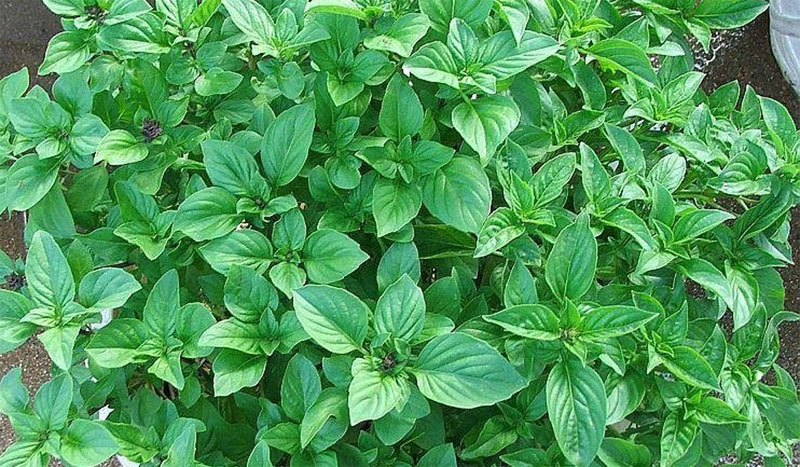
Ah, basil! The fragrant herb that elevates everything from a simple Caprese salad to a complex pesto. In Zone 9, with its long growing season and warm temperatures, you've got a real advantage when it comes to cultivating this culinary delight. But even in a favorable climate, understanding the nuances of growing basil can make all the difference between a few scraggly leaves and a bountiful harvest. Let's dive into the secrets of successfully growing basil in Zone 9.
Growing Basil in Zone 9: A Comprehensive Guide
Growing basil in Zone 9 offers a fantastic opportunity for gardeners. Our extended warm season provides the perfect environment for basil to thrive. However, simply planting seeds and hoping for the best isn’t enough. We need to consider factors like variety selection, optimal planting times, soil preparation, watering techniques, and pest control to ensure a successful and continuous harvest. Let’s explore each of these key aspects in detail.
Choosing the Right Basil Variety for Zone 9
Not all basil varieties are created equal, and some are better suited for the specific conditions of Zone 9 than others. Here’s a rundown of some popular and successful options:
- Genovese Basil: The quintessential basil for pesto, Genovese thrives in warm weather and produces large, fragrant leaves. It’s a workhorse in the Zone 9 garden.
- Sweet Basil: Similar to Genovese, but often slightly less prone to bolting (going to seed prematurely) in the heat.
- Thai Basil: With its anise-like flavor, Thai basil adds a unique twist to Asian dishes. It's also generally more heat-tolerant than other varieties, making it an excellent choice for Zone 9 summers.
- Lemon Basil: As the name suggests, lemon basil offers a refreshing citrusy aroma and flavor. It’s a great addition to salads and teas, and it holds up well in warmer temperatures.
- Purple Basil: Not just beautiful, but also flavorful! Purple basil varieties like 'Opal' add visual interest to your garden and provide a slightly different flavor profile compared to green basils.
Consider experimenting with different varieties to find your favorites and see which ones perform best in your specific microclimate. Remember that even within Zone 9, conditions can vary based on elevation, proximity to the coast, and other factors. Observation is key!
Optimal Planting Times for Basil in Zone 9
Zone 9 boasts a long growing season, but timing is still crucial. Basil is sensitive to frost, so avoid planting too early. The ideal planting window is typically from late March to early May for the first planting, and you can often get away with a second planting in late summer (August-September) for a fall harvest. Here's a more detailed breakdown:
- Starting Seeds Indoors: If you want a head start, sow seeds indoors 6-8 weeks before the last expected frost. Use a seed starting mix and provide plenty of light.
- Direct Sowing: Once the soil has warmed to at least 60°F (15°C), you can direct sow seeds in your garden. Plant seeds about ¼ inch deep and keep the soil consistently moist.
- Transplanting Seedlings: If you started seeds indoors, harden off your seedlings by gradually exposing them to outdoor conditions for a week before transplanting them into the garden.
Pro Tip: Pay attention to local weather forecasts and be prepared to protect young plants from unexpected late frosts with row covers or blankets.
Soil Preparation and Sunlight Requirements for Basil in Zone 9
Basil thrives in well-drained, fertile soil with a slightly acidic to neutral p H (around 6.0 to
7.5). Before planting, amend your soil with compost or other organic matter to improve drainage and nutrient content. Here’s what to do:
- Amend the Soil: Mix in plenty of compost or well-rotted manure to provide essential nutrients and improve soil structure.
- Ensure Good Drainage: Basil doesn't like soggy roots. If your soil is heavy clay, consider adding sand or perlite to improve drainage.
- Sunlight: Basil needs at least 6-8 hours of sunlight per day to thrive. Choose a location in your garden that receives full sun. However, during the hottest part of the summer in Zone 9, some afternoon shade can be beneficial to prevent the leaves from scorching.
Consider raised beds or containers if your native soil is particularly poor or has drainage issues. Container gardening also allows you to move your basil plants to a more sheltered location if needed.
Watering and Fertilizing Basil in Zone 9
Consistent watering is key, especially during the hot summer months. Basil prefers consistently moist soil, but avoid overwatering, which can lead to root rot. Water deeply whenever the top inch of soil feels dry to the touch. Consider investing in a good qualityGarden Hose 75 FT with 10-Function Nozzle, Leak-proof Metal Connector Water Hose, No Knots, Kink-Free, Lighter, Anti-Pets, Wear-Resistant, 3/4 GHT, Metal Hose for Garden, Yard, Outdoor. A durable watering solution will make garden irrigation much easier and you can purchase it here:https://amzn.to/3Yv E0Bo.
Here's how to keep your basil happy and hydrated:
- Watering Frequency: Water deeply 2-3 times per week, depending on the weather and soil conditions. Check the soil moisture regularly.
- Watering Technique: Water at the base of the plant to avoid wetting the leaves, which can promote fungal diseases. Morning watering is generally best.
- Fertilizing: Basil is a relatively light feeder. Apply a balanced organic fertilizer every 4-6 weeks to provide essential nutrients. Fish emulsion or compost tea are excellent options.
Avoid using synthetic fertilizers, as they can burn the roots and negatively impact the flavor of the basil. Organic fertilizers are a gentler and more sustainable option.
Pest and Disease Management for Basil
While generally pest-resistant, basil can be susceptible to certain problems, especially in Zone 9's humid climate. Here are some common pests and diseases to watch out for, and how to manage them:
- Aphids: These tiny sap-sucking insects can weaken plants. Control them with a strong spray of water, insecticidal soap, or neem oil.
- Japanese Beetles: These voracious beetles can skeletonize basil leaves. Handpick them off the plants or use row covers to protect your basil.
- Downy Mildew: This fungal disease can cause yellowing and browning of leaves. Improve air circulation by spacing plants properly and avoid overhead watering. Copper fungicide can also be used as a preventative measure.
- Fusarium Wilt: This soilborne fungus can cause plants to wilt and die. Plant resistant varieties and practice crop rotation.
Integrated Pest Management (IPM): The best approach to pest and disease control is IPM, which involves using a combination of preventative measures, biological controls, and chemical controls only as a last resort. Regular monitoring of your plants is crucial for early detection and treatment.
Harvesting Basil for a Continuous Yield
Regular harvesting is essential for encouraging bushy growth and preventing your basil from bolting. Here's how to harvest basil properly:
- Pinch Off Flower Buds: As soon as you see flower buds forming, pinch them off. This will redirect the plant's energy into producing more leaves.
- Harvest Regularly: Harvest leaves frequently, especially from the top of the plant. This will encourage side branching and a fuller plant.
- Cut Above a Leaf Node: When harvesting, cut the stem just above a leaf node (the point where two leaves grow). This will encourage new growth from that point.
- Harvest Before Frost: Before the first frost, harvest all remaining basil leaves and preserve them by drying, freezing, or making pesto.
With proper care and regular harvesting, you can enjoy a continuous supply of fresh basil throughout the growing season in Zone 9. Now you can enjoy an abundance of garden fresh basil from your very own garden.