Picture this: you’re making a delicious pesto, but you're out of fresh basil! A quick trip to the grocery store solves the problem, but what if you could extend the life of that store-bought basil and create an endless supply? The good news is, with a little know-how, you absolutely can! Growing Basil From Store-Bought: A Complete Guide So, can you really grow basil from store bought bunches? Absolutely! It's a fantastic way to save money, reduce waste, and enjoy fresh basil whenever you need it. However, the success of growing basil from store bought depends on a few key factors. This article will walk you through the entire process, from selecting the right basil to harvesting your homegrown leaves. We'll cover everything you need to know to successfully propagate basil from your grocery store haul. Selecting the Right Store-Bought Basil for Propagation Not all store-bought basil is created equal when it comes to propagation. To increase your ...
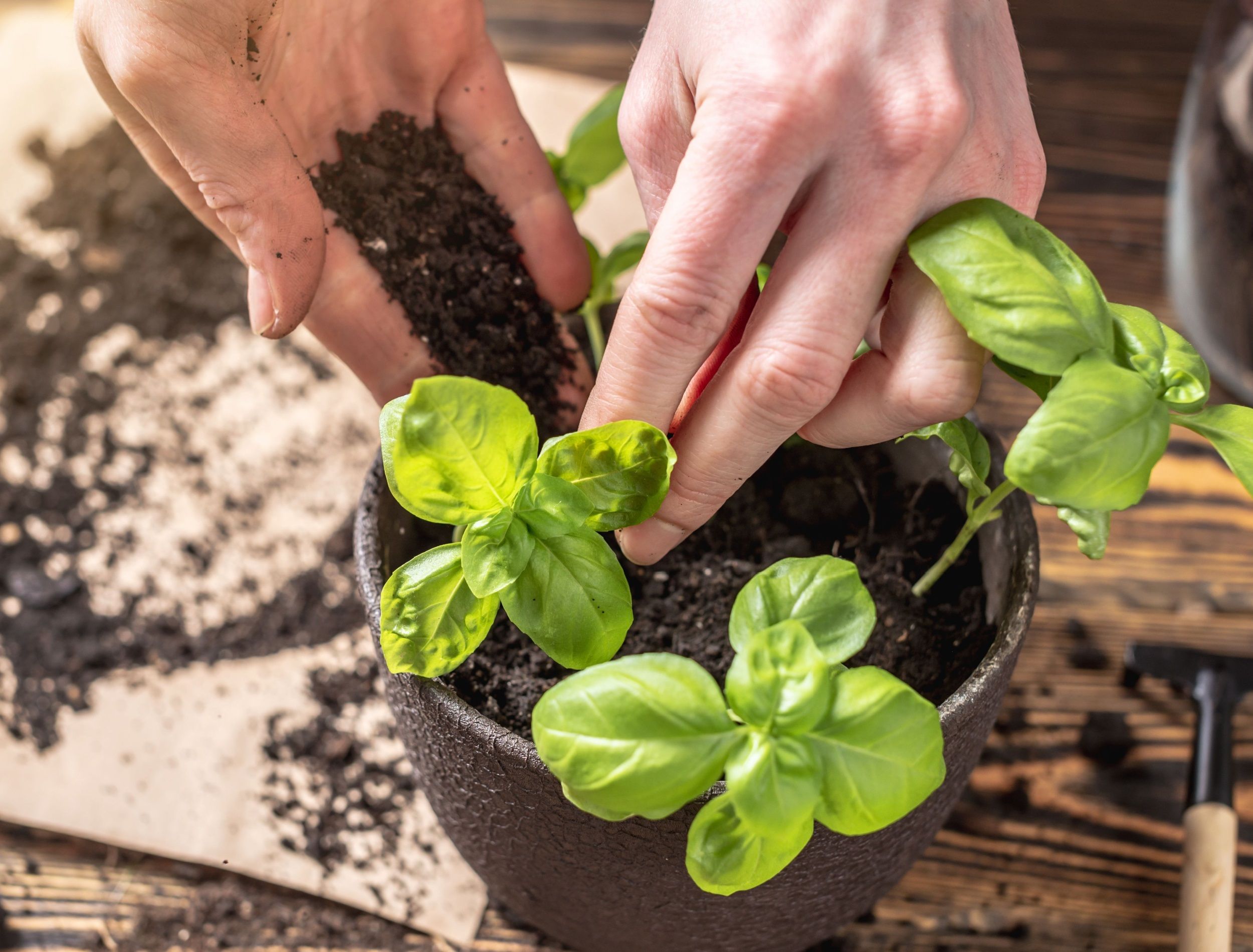
Imagine the aroma of fresh basil filling your kitchen, ready to be plucked and added to your favorite pasta dish, Caprese salad, or homemade pesto. You don't need a sprawling garden to enjoy this culinary delight. Growing basil from seed indoors is a rewarding experience, offering a constant supply of this fragrant herb right at your fingertips. Let's get started on your basil-growing journey!
How to Grow Basil From Seed Indoors: A Complete Guide
This guide is your comprehensive resource for mastering the art of growing basil from seed indoors. We'll cover everything from selecting the right seeds and providing optimal growing conditions to troubleshooting common problems and harvesting your bountiful basil crop. By following these simple steps, you'll be enjoying fresh, homegrown basil in no time!
Choosing the Right Basil Seeds for Indoor Growing
The first step to a successful indoor basil garden is selecting the right seeds. While most basil varieties can be grown indoors, some are better suited to container gardening and indoor conditions than others. Consider these popular choices:
- Genovese Basil: This is the classic basil for pesto and Italian dishes. It's a reliable grower and produces large, flavorful leaves.
- Sweet Basil: Very similar to Genovese, it is a great option for many dishes and is a common and easy to grow basil.
- Thai Basil: Known for its slightly anise-like flavor, Thai basil is a great addition to Asian cuisine. It tends to be more compact than Genovese basil.
- Lemon Basil: This variety offers a refreshing citrusy aroma and flavor, perfect for teas, salads, and fish dishes.
- Dwarf Basil: As the name suggests, dwarf basil varieties are compact and bushy, making them ideal for small indoor spaces. They often require less pruning than larger varieties.
When purchasing seeds, look for reputable seed suppliers to ensure you're getting high-quality, viable seeds. Check the seed packet for the "sell-by" date to ensure freshness. Consider organic seeds if you prefer to avoid pesticides and herbicides.
Preparing to Grow Basil from Seed Indoors: Supplies and Setup
Before you start sowing your basil seeds, gather the necessary supplies:
- Seeds: Choose your preferred basil variety from a reputable source.
- Seed Starting Tray or Small Pots: These provide a controlled environment for germination. Small peat pots or biodegradable pots can be planted directly into larger containers later, minimizing root disturbance.
- Seed Starting Mix: This is a lightweight, sterile growing medium designed to provide optimal drainage and aeration for seedlings. Avoid using garden soil, which can be too heavy and may contain pathogens.
- Watering Can or Spray Bottle: Use a gentle watering method to avoid disturbing the delicate seedlings.
- Grow Lights (Optional but Recommended): Basil needs plenty of light, especially when grown indoors. Grow lights provide a consistent source of light, ensuring healthy growth and preventing legginess.
- Heat Mat (Optional): Basil seeds germinate best at a soil temperature of 70-80°F (21-27°C). A heat mat can help maintain this optimal temperature, especially in cooler climates.
- Small Fan (Optional): A gentle breeze from a fan helps to strengthen the seedlings and prevent fungal diseases.
Once you have your supplies, set up your growing area. Choose a location that is warm and receives plenty of natural light, or supplement with grow lights. If using a heat mat, place it under the seed starting tray.
Sowing Basil Seeds Indoors: Step-by-Step Instructions
Now for the exciting part – sowing your basil seeds! Follow these simple steps for successful germination:
- Moisten the Seed Starting Mix: Add water to the seed starting mix until it is evenly moist but not soggy.
- Fill the Seed Starting Tray or Pots: Fill the containers with the moistened seed starting mix, leaving about half an inch of space at the top.
- Sow the Seeds: Sprinkle the basil seeds evenly over the surface of the soil. Basil seeds are small, so don't overcrowd them. A good rule of thumb is to sow 2-3 seeds per cell or pot.
- Cover the Seeds Lightly: Gently cover the seeds with a thin layer (about 1/4 inch) of seed starting mix.
- Water Gently: Use a spray bottle or watering can with a gentle nozzle to water the seeds thoroughly. Avoid disturbing the seeds.
- Cover with a Humidity Dome or Plastic Wrap: This will help to maintain a humid environment, which is essential for germination.
- Place in a Warm Location: Place the seed starting tray or pots in a warm location, ideally between 70-80°F (21-27°C). Use a heat mat if necessary.
Providing Optimal Growing Conditions for Indoor Basil Seedlings
Light Requirements for Growing Basil from Seed Inside
Basil thrives in bright light. Once the seedlings emerge, they need at least 6-8 hours of direct sunlight per day. If you don't have a sunny windowsill, supplement with grow lights. Place the grow lights a few inches above the seedlings and adjust as they grow.
Fact: Insufficient light is a common cause of leggy basil seedlings. Leggy seedlings have long, thin stems and few leaves. This indicates that they are stretching towards the light in search of more energy.
Watering and Humidity for Indoor Basil Plants
Water the basil seedlings regularly, keeping the soil consistently moist but not soggy. Allow the top inch of soil to dry out slightly between waterings. Overwatering can lead to root rot, while underwatering can stunt growth.
Maintain a moderate humidity level around the basil seedlings. If the air is dry, consider using a humidifier or placing the plants on a tray filled with pebbles and water. Make sure the bottom of the pot isn't touching the water. Grouping plants together can also help to increase humidity.
Temperature and Ventilation for Growing Basil Seed Indoors
Basil thrives in warm temperatures, ideally between 65-80°F (18-27°C). Avoid placing the plants near cold drafts or extreme temperature fluctuations. Ensure good ventilation around the plants to prevent fungal diseases. A small fan can help to improve air circulation.
Transplanting Basil Seedlings: Moving to Larger Pots
Once the basil seedlings have developed their first set of true leaves (the leaves that appear after the initial seed leaves), it's time to transplant them to larger pots. This will give them more room to grow and develop a strong root system.
- Choose a Larger Pot: Select a pot that is at least 4-6 inches in diameter. Make sure the pot has drainage holes to prevent waterlogging.
- Fill the Pot with Potting Mix: Use a high-quality potting mix that is well-draining and rich in nutrients.
- Gently Remove the Seedlings: Carefully remove the seedlings from the seed starting tray or pots. If the roots are tangled, gently separate them.
- Plant the Seedlings: Plant the seedlings in the larger pot, making sure the top of the root ball is level with the soil surface.
- Water Thoroughly: Water the transplanted seedlings thoroughly and place them in a location that receives plenty of light.
Caring for Indoor Basil Plants: Ongoing Maintenance
Once your basil plants are established in their larger pots, it's important to provide ongoing care to ensure healthy growth and a bountiful harvest.
Fertilizing Indoor Basil Plants
Basil is a relatively heavy feeder and benefits from regular fertilization. Use a balanced liquid fertilizer diluted to half strength every 2-4 weeks. Avoid over-fertilizing, which can lead to leggy growth and a loss of flavor.
Pruning Basil Plants for Bushier Growth
Pruning is essential for maintaining a bushy and productive basil plant. Pinch off the top set of leaves above a leaf node (the point where leaves emerge from the stem) regularly. This will encourage the plant to branch out and produce more leaves.
Tip: When pruning, always cut just above a leaf node. This will stimulate the growth of new shoots from the node, resulting in a bushier plant.
Pest and Disease Control for Indoor Basil
While basil is generally pest-resistant, it can be susceptible to certain pests and diseases, especially when grown indoors.
- Aphids: These small, sap-sucking insects can cause leaves to become distorted and yellow. Wash them off with a strong stream of water or use insecticidal soap.
- Spider Mites: These tiny pests create fine webs on the leaves and can cause them to become mottled and dry. Increase humidity and use insecticidal soap.
- Fungal Diseases: Overwatering and poor ventilation can lead to fungal diseases such as powdery mildew and downy mildew. Improve air circulation and avoid overwatering. Use a fungicide if necessary.
Regularly inspect your basil plants for signs of pests or diseases. Early detection and treatment can prevent serious problems.
Harvesting Your Indoor Basil: Enjoying the Fruits (or Leaves!) of Your Labor
You can start harvesting basil leaves as soon as the plant is 6-8 inches tall. Harvest the leaves regularly to encourage continued growth. Pinch off the top leaves first, as this will encourage the plant to branch out.
Best Practice: Harvest basil in the morning, after the dew has dried but before the sun gets too hot. This is when the leaves are at their most flavorful.
To preserve your basil harvest, you can dry it, freeze it, or make pesto.
Troubleshooting Common Problems When Growing Basil from Seed Indoors
Even with the best care, you may encounter some problems when growing basil from seed indoors. Here are some common issues and how to address them:
- Leggy Seedlings: Insufficient light. Provide more light, either through a sunny windowsill or grow lights.
- Yellowing Leaves: Overwatering, underwatering, or nutrient deficiency. Adjust watering as needed and fertilize regularly.
- Wilting Leaves: Overwatering, underwatering, or root rot. Check the soil moisture and adjust watering accordingly. If root rot is suspected, repot the plant in fresh soil.
- Slow Growth: Insufficient light, poor soil, or lack of nutrients. Provide more light, repot in fresh potting mix, and fertilize regularly.
By addressing these common problems promptly, you can keep your basil plants healthy and productive.
Growing basil from seed indoors is a rewarding experience that allows you to enjoy fresh, flavorful basil year-round. With a little care and attention, you can create a thriving indoor basil garden and elevate your culinary creations.
To keep your garden looking its best, consider using a reliable watering solution. Many gardeners find that an expandable garden hose, like this 75 FT Garden Hose with a 10-Function Nozzle, makes watering much easier. This particular Water Hose comes equipped with leak-proof metal connectors, ensures no knots or kinks, and is lightweight and wear-resistant, perfect for any garden or yard! You can find it here: https://amzn.to/3Yv E0Bo