Picture this: you’re making a delicious pesto, but you're out of fresh basil! A quick trip to the grocery store solves the problem, but what if you could extend the life of that store-bought basil and create an endless supply? The good news is, with a little know-how, you absolutely can! Growing Basil From Store-Bought: A Complete Guide So, can you really grow basil from store bought bunches? Absolutely! It's a fantastic way to save money, reduce waste, and enjoy fresh basil whenever you need it. However, the success of growing basil from store bought depends on a few key factors. This article will walk you through the entire process, from selecting the right basil to harvesting your homegrown leaves. We'll cover everything you need to know to successfully propagate basil from your grocery store haul. Selecting the Right Store-Bought Basil for Propagation Not all store-bought basil is created equal when it comes to propagation. To increase your ...
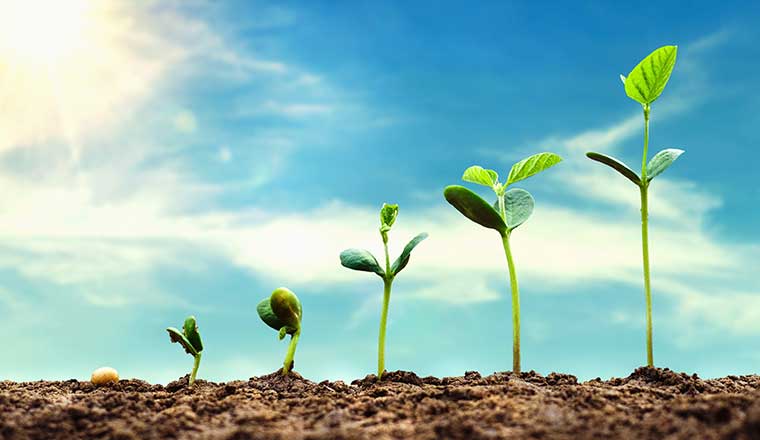
Imagine fresh, fragrant basil leaves just steps away from your kitchen, ready to elevate your next pasta dish, Caprese salad, or pesto creation. Forget trips to the grocery store – with a little know-how, you can easily cultivate your own thriving basil plant right on your windowsill! Growing basil indoors is simpler than you might think, and the rewards are well worth the effort. Let's dive into how to nurture your own little basil bounty.
Growing Basil in a Pot Indoors: A Beginner's Guide
Basil (Ocimum basilicum) is a beloved herb prized for its aromatic leaves and culinary versatility. While traditionally grown outdoors, basil adapts beautifully to indoor environments with the right conditions. This guide provides a step-by-step approach to successfully growing basil in a pot indoors, ensuring a continuous supply of fresh herbs throughout the year. We'll cover everything from choosing the right pot and soil to providing adequate light and water, and even how to harvest your basil for maximum yield.
Choosing the Right Pot and Soil for Indoor Basil
The foundation of any successful indoor garden starts with the right container and growing medium. When selecting a pot for your basil, consider these factors:
- Size: Choose a pot that is at least 6-8 inches in diameter. This provides ample space for the basil plant's roots to grow and prevents it from becoming root-bound. Smaller pots can work for starting seedlings, but you'll need to transplant them into larger containers as they grow.
- Material: Terracotta pots are a great choice because they are porous and allow the soil to breathe, preventing waterlogging. Plastic pots are also suitable but may require more careful watering management.
- Drainage: Ensure the pot has drainage holes at the bottom. Basil doesn't like to sit in water, so proper drainage is essential to prevent root rot.
The type of soil you use is equally important. Basil thrives in well-draining, nutrient-rich soil. Avoid using garden soil, as it can be too heavy and compact for container gardening. Instead, opt for a high-quality potting mix specifically formulated for herbs or vegetables. You can also amend your potting mix with compost to improve drainage and fertility. A good potting mix will typically consist of peat moss, perlite, and vermiculite. Adding some organic matter, such as compost, will enrich the soil and provide essential nutrients for healthy basil growth.
For example, a mixture of 60% potting mix, 20% perlite, and 20% compost provides the ideal balance of drainage, aeration, and nutrients. You can also purchase pre-mixed potting mixes specifically designed for herbs, which often contain slow-release fertilizers to support healthy growth. Before planting, moisten the potting mix slightly to ensure it is evenly hydrated. This will help the basil seedlings establish their roots more easily. Remember to avoid over-compacting the soil when filling the pot, as this can impede drainage and aeration.
Providing Adequate Light for Indoor Basil Plants
Basil requires at least 6-8 hours of sunlight per day to thrive. Insufficient light can lead to leggy growth, pale leaves, and a reduced flavor. If you don't have a sunny windowsill that receives enough natural light, you'll need to supplement with artificial lighting.
- Natural Light: A south-facing window is ideal for growing basil indoors, as it provides the most sunlight. East- or west-facing windows can also work, but you may need to supplement with artificial light during the darker months. Rotate the pot regularly to ensure even growth on all sides.
- Artificial Light: If natural light is limited, use grow lights to provide the necessary illumination. Fluorescent or LED grow lights are both effective options. Position the lights a few inches above the basil plants and keep them on for 14-16 hours per day.
Consider the type of light you're using. Incandescent bulbs produce a lot of heat, which can damage your basil plants. Fluorescent and LED grow lights are more energy-efficient and produce less heat. LED grow lights, in particular, are becoming increasingly popular due to their long lifespan and low energy consumption. You can find grow lights specifically designed for herbs and vegetables at most garden centers or online retailers. When setting up your grow light system, make sure the lights are properly positioned to provide even coverage to all parts of the basil plant. Adjust the height of the lights as the plant grows to maintain the optimal distance. If you notice the leaves turning yellow or brown, it could be a sign that the plant is getting too much light, so adjust the position of the lights accordingly.
Case Study: A study conducted by the University of Arizona found that basil plants grown under LED grow lights produced significantly more essential oils than those grown under natural light alone. This suggests that artificial lighting can not only support healthy growth but also enhance the flavor and aroma of your basil. The study also noted that plants grown under a combination of red and blue LED light exhibited the best results, indicating that basil benefits from a specific light spectrum.
Watering and Fertilizing Your Potted Basil
Proper watering is crucial for healthy basil growth. Basil plants need consistent moisture, but they don't like to be waterlogged. Allow the top inch of soil to dry out between waterings, and then water thoroughly until water drains out of the bottom of the pot. Avoid getting water on the leaves, as this can promote fungal diseases.
Fertilizing your basil plants regularly will provide them with the nutrients they need to thrive. Use a balanced liquid fertilizer diluted to half strength every 2-4 weeks. Alternatively, you can use a slow-release fertilizer at the time of planting. Look for a fertilizer that is specifically formulated for herbs or vegetables. These fertilizers typically contain a balanced ratio of nitrogen, phosphorus, and potassium, along with essential micronutrients. Avoid over-fertilizing, as this can lead to excessive foliage growth at the expense of flavor and aroma. Signs of over-fertilization include yellowing leaves and a build-up of salts on the soil surface. If you notice these symptoms, flush the soil with water to remove excess fertilizer.
- Watering Frequency: Check the soil moisture regularly. Water when the top inch feels dry to the touch.
- Watering Technique: Water deeply, ensuring the entire root ball is moistened.
- Fertilizing: Use a balanced liquid fertilizer every 2-4 weeks.
Remember that watering needs can vary depending on the temperature, humidity, and light levels in your home. During the warmer months, you may need to water more frequently. Conversely, during the cooler months, you can reduce the watering frequency. It's always better to err on the side of underwatering than overwatering, as basil is more tolerant of dry conditions than wet ones. Consider using a moisture meter to accurately assess the soil moisture levels and avoid overwatering. This simple tool can help you maintain the optimal moisture balance for your basil plants. Additionally, you can use a self-watering pot, which will regulate the moisture levels in the soil, reducing the risk of overwatering or underwatering. You can find high-quality gardening supplies, such as a sturdy and reliableGarden Hose 75 FT with 10-Function Nozzle, Leak-proof Metal Connector Water Hose, No Knots, Kink-Free, Lighter, Anti-Pets, Wear-Resistant, 3/4 GHT, Metal Hose for Garden, Yard, Outdoor, available on Amazon:https://amzn.to/3Yv E0Bo. This garden watering tool with its 10-function nozzle, is designed for easy and efficient watering, is an excellent investment for maintaining your indoor herb garden, ensuring your potted basil plants receive the precise hydration they need.
Harvesting Basil to Encourage Growth
Harvesting basil regularly is essential for promoting bushier growth and preventing the plant from flowering. When basil flowers, it can become bitter, so it's important to keep it trimmed. Pinch off the top sets of leaves, just above a node (where leaves emerge from the stem). This will encourage the plant to branch out and produce more leaves.
- Harvesting Technique: Pinch off the top sets of leaves above a node.
- Harvesting Frequency: Harvest regularly, even if you don't need the basil. This will encourage bushier growth.
- Preventing Flowering: Remove any flower buds as soon as you see them.
To maintain a continuous supply of fresh basil, harvest about one-third of the plant's leaves at a time. This will allow the plant to recover quickly and continue producing new growth. When harvesting, use sharp scissors or pruning shears to avoid damaging the stems. Cut the stems at a 45-degree angle to promote healing and prevent disease. You can use the harvested basil immediately or store it for later use. To store fresh basil, wrap the stems in a damp paper towel and place them in a plastic bag in the refrigerator. This will help keep the basil fresh for several days. You can also freeze basil leaves for longer storage. To freeze basil, blanch the leaves in boiling water for a few seconds, then plunge them into ice water to stop the cooking process. Drain the leaves and pat them dry, then place them in a freezer bag or container. Frozen basil can be stored for several months.
Quote: "Regular harvesting is key to a productive basil plant," says herbalist Rosemary Gladstar. "By pinching off the top growth, you encourage the plant to branch out and produce more leaves, resulting in a fuller, more flavorful harvest."
Troubleshooting Common Problems When Growing Basil Indoors
While growing basil indoors is relatively easy, you may encounter some common problems. Here are some tips for troubleshooting potential issues:
- Yellowing Leaves: This can be caused by overwatering, underwatering, nutrient deficiencies, or pests. Check the soil moisture and adjust your watering accordingly. Fertilize the plant with a balanced liquid fertilizer. Inspect the leaves for signs of pests, such as aphids or spider mites.
- Leggy Growth: This is usually caused by insufficient light. Move the plant to a sunnier location or supplement with artificial light. Prune the plant back to encourage bushier growth.
- Fungal Diseases: This can be caused by excessive humidity or poor air circulation. Improve air circulation by spacing plants further apart and using a fan. Avoid getting water on the leaves when watering. If the problem persists, treat the plant with a fungicide.
- Pests: Common pests that affect basil include aphids, spider mites, and whiteflies. Inspect the plant regularly for signs of pests. If you find pests, treat the plant with insecticidal soap or neem oil.
Remember that prevention is always the best approach. By providing your basil plants with the right growing conditions, you can minimize the risk of problems. Ensure adequate drainage, proper lighting, and regular fertilization. Regularly inspect your plants for signs of pests or diseases, and take action promptly if you notice any issues. With a little care and attention, you can enjoy a bountiful harvest of fresh basil from your indoor garden.
Conclusion: Enjoy Your Homegrown Basil!
Growing basil indoors is a rewarding experience that allows you to enjoy fresh, flavorful herbs year-round. By following these tips, you can create the perfect environment for your basil plants to thrive. So, get started today and experience the joy of growing your own basil! You will love the taste of your homegrown basil.