Picture this: you’re making a delicious pesto, but you're out of fresh basil! A quick trip to the grocery store solves the problem, but what if you could extend the life of that store-bought basil and create an endless supply? The good news is, with a little know-how, you absolutely can! Growing Basil From Store-Bought: A Complete Guide So, can you really grow basil from store bought bunches? Absolutely! It's a fantastic way to save money, reduce waste, and enjoy fresh basil whenever you need it. However, the success of growing basil from store bought depends on a few key factors. This article will walk you through the entire process, from selecting the right basil to harvesting your homegrown leaves. We'll cover everything you need to know to successfully propagate basil from your grocery store haul. Selecting the Right Store-Bought Basil for Propagation Not all store-bought basil is created equal when it comes to propagation. To increase your ...
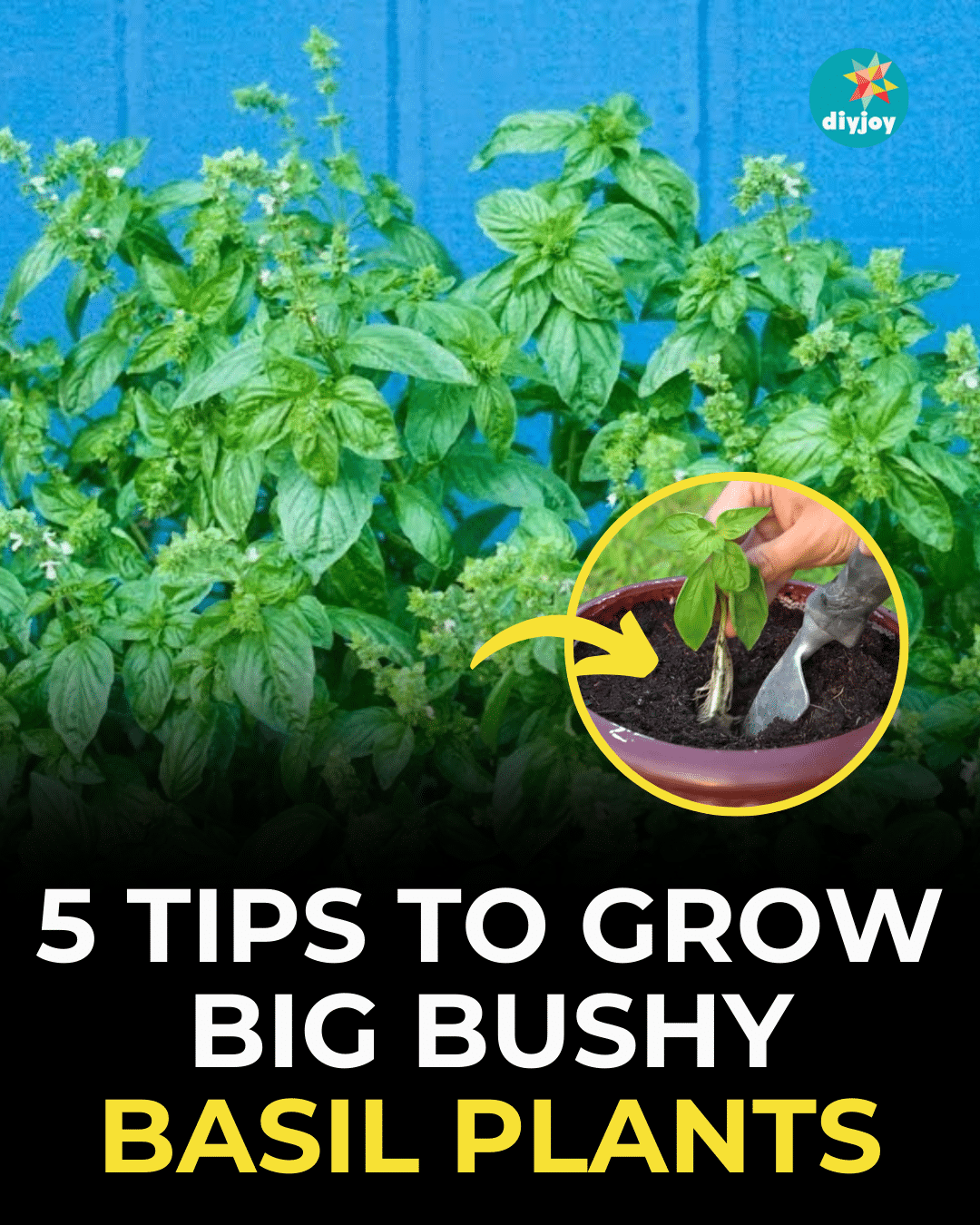
Have you ever looked at a picture of a massive basil leaf and thought, "Wow, I wish I could grow basil leaves like that!"? You're not alone! While small basil leaves are perfectly fine, imagine the pesto you could make or the caprese salads you could create with larger, more flavorful leaves. Getting those impressive, restaurant-worthy leaves is easier than you might think. Let's explore the secrets to cultivating bountiful basil!
Unlocking the Secrets to Growing Giant Basil Leaves
Understanding Basil Growth Factors to Maximize Leaf Size
To really understand how to grow bigger basil leaves, it's crucial to understand what makes basil tick. Basil, like any plant, relies on a few key factors to thrive. These include sunlight, water, nutrients, and proper pruning. Think of it as a recipe – get the balance right, and you’ll be rewarded with lush, large leaves. Let's delve into each of these crucial elements.
Sunlight: Fueling Basil's Growth Engine
Sunlight is the powerhouse behind photosynthesis, the process by which plants convert light energy into food. Basil thrives in 6-8 hours of direct sunlight per day. If you're growing basil indoors, a sunny windowsill or a grow light is essential. Insufficient sunlight can lead to leggy growth, smaller leaves, and a less intense flavor. Observe your basil plant closely. If the stems are stretching and the leaves are small and pale, it's a sign that it needs more light. Consider supplementing with artificial light, especially during the shorter days of winter.
Watering: Hydration for Healthy Leaves
Basil loves consistent moisture but hates being waterlogged. Overwatering can lead to root rot, which will definitely stunt growth and even kill your plant. The key is to water deeply when the top inch of soil feels dry to the touch. Avoid frequent, shallow watering, as this encourages shallow root growth. When you water, aim for the base of the plant to avoid wetting the leaves, which can promote fungal diseases. A good rule of thumb is to water in the morning so the leaves have time to dry before nightfall. Think of your basil as a thirsty friend – offer a good drink when they need it, but don't drown them!
Nutrients: Feeding Your Basil for Leafy Success
Basil is a relatively heavy feeder, meaning it benefits from regular fertilization. A balanced, all-purpose fertilizer is a great option. Look for a fertilizer with an NPK ratio (Nitrogen, Phosphorus, Potassium) that is relatively even, such as 10-10-10 or 20-20-20. Nitrogen is especially important for leafy growth, so if you want to push your basil to produce bigger leaves, you could opt for a fertilizer with a slightly higher nitrogen content. You can also use organic options like compost tea or fish emulsion. Follow the instructions on the fertilizer package carefully, as over-fertilizing can burn the roots and harm your plant. Regular feeding is the equivalent of giving your basil a regular dose of vitamins – it helps them grow strong and healthy.
Soil: The Foundation for Healthy Basil
Well-draining soil is paramount for basil growth. Basil doesn’t like to sit in soggy soil, which can lead to root rot. A good potting mix, amended with compost or perlite, will provide the necessary drainage and aeration. Avoid heavy clay soils, which retain too much water. The ideal soil p H for basil is between 6.0 and
7.5, which is slightly acidic to neutral. If you're planting basil directly in the ground, consider amending the soil with organic matter to improve drainage and fertility. The quality of your soil sets the stage for how well your basil will grow.
Techniques for Growing Bigger Basil Leaves
Pruning: The Secret Weapon for Leaf Size
Pruning is perhaps the most crucial technique for encouraging larger basil leaves. When you prune your basil, you're essentially telling the plant to focus its energy on leaf production rather than flowering. Basil tends to bolt (flower) when it matures or when it's stressed. Once it starts to flower, the leaves become bitter and the plant's energy is diverted to seed production, reducing leaf size. To prevent bolting, pinch off the flower buds as soon as you see them. More importantly, regularly pinch off the top sets of leaves just above a leaf node (where leaves emerge from the stem). This encourages the plant to branch out, creating a bushier plant with more leaves. Pruning is like giving your basil a haircut – it keeps it looking tidy and encourages new growth.
Pinching and Topping: Controlling Growth for Maximum Leaf Production
Pinching and topping are variations of pruning that involve removing the growing tip of the plant. Pinching refers to removing just the very tip of the stem, while topping involves removing a larger portion of the stem. Both techniques encourage the plant to branch out and produce more leaves. You should do this every few weeks. When you pinch or top your basil, you're essentially telling the plant to send out two new stems from the leaf nodes below the cut. This results in a fuller, more productive plant. By carefully controlling the plant's growth, you can direct its energy towards producing larger, more flavorful leaves.
Harvesting: Encouraging Continued Growth
Harvesting your basil regularly is another form of pruning and encourages continued growth. When you harvest, focus on taking leaves from the top of the plant, which encourages new growth from the lower nodes. Avoid taking more than one-third of the plant's leaves at any one time, as this can stress the plant. You should harvest in the morning, after the dew has dried, but before the sun gets too hot. This is when the leaves are at their peak flavor. Regular harvesting is like a gentle reminder to your basil to keep producing those delicious leaves.
Optimizing Your Growing Environment to Grow Large Basil Leaves
Temperature: Basil's Comfort Zone
Basil is a heat-loving plant and thrives in temperatures between 65°F and 85°F (18°C and 29°C). It's sensitive to frost and cold temperatures, so protect your plants from cold snaps. If you're growing basil outdoors, wait until the danger of frost has passed before planting. If you're growing basil indoors, make sure the plant is not exposed to drafts from windows or doors. Basil is like a sunbather – it loves warmth and hates the cold. Creating the right temperature conditions is essential for healthy growth and large leaves.
Humidity: Striking the Right Balance
Basil prefers moderate humidity levels. Too much humidity can lead to fungal diseases, while too little humidity can cause the leaves to dry out. If you live in a humid climate, ensure good air circulation around your plants. You can improve air circulation by spacing your plants adequately or using a fan. If you live in a dry climate, you can increase humidity by misting the leaves regularly or placing a tray of water near the plant. Basil, like Goldilocks, prefers conditions that are just right – not too humid, not too dry.
Container Size: Giving Roots Room to Grow
If you're growing basil in containers, make sure to choose a pot that is large enough to accommodate the plant's root system. A pot that is at least 12 inches in diameter is a good starting point. As the plant grows, you may need to transplant it to a larger pot. The bigger the pot, the more room the roots have to spread out and absorb nutrients, which translates to larger leaves. Think of the pot as your basil's house – it needs to be big enough to provide a comfortable living space.
Troubleshooting Common Basil Growing Problems
Pests: Protecting Your Precious Leaves
Basil is relatively pest-resistant, but it can be susceptible to aphids, spider mites, and whiteflies. These pests suck the sap from the leaves, causing them to become yellow and stunted. Inspect your plants regularly for signs of pests. If you spot any, you can try washing them off with a strong stream of water or using insecticidal soap or neem oil. Prevention is key when it comes to pests. Keeping your plants healthy and providing good air circulation will help to deter pests. Consider companion planting with herbs like marigolds, which can repel certain pests. Pests can be a nuisance, but with a little vigilance and proactive measures, you can keep them at bay.
Diseases: Keeping Basil Healthy
Basil can be susceptible to fungal diseases, such as downy mildew and powdery mildew, especially in humid conditions. These diseases cause the leaves to develop white or gray patches. To prevent fungal diseases, ensure good air circulation, avoid overwatering, and water in the morning so the leaves have time to dry before nightfall. If you spot any signs of disease, remove the affected leaves immediately and treat the plant with a fungicide if necessary. A healthy plant is a disease-resistant plant. By providing the right growing conditions, you can minimize the risk of fungal diseases.
Varieties: Selecting Basil for Size
Choosing the Right Basil Variety
Different basil varieties can vary considerably in leaf size, flavor, and growth habits. Genovese basil is a classic choice for pesto and has relatively large leaves. Thai basil has a distinctive anise-like flavor and smaller, more pointed leaves. Lemon basil has a citrusy aroma and medium-sized leaves. For truly giant leaves, consider growing Lettuce Leaf basil, which is known for its large, tender leaves. Experiment with different varieties to find the ones that best suit your taste and growing conditions. Variety is the spice of life, and it also applies to basil!
Leaf Size Comparisons
| Basil Variety | Leaf Size | Flavor Profile |
|---|---|---|
| ------------------- | ------------ | ---------------- |
| Genovese | Medium-Large | Classic |
| Thai | Small | Anise |
| Lemon | Medium | Citrusy |
| Lettuce Leaf | Large | Mild |
| Purple Ruffles | Medium | Slightly Spicy |
Growing big basil leaves requires a combination of the right growing conditions, proper pruning techniques, and a little bit of patience. By following these tips, you can transform your basil plants into leafy powerhouses, yielding an abundance of large, flavorful leaves for all your culinary creations. So go ahead, unleash your inner gardener and cultivate those impressive basil leaves you've always dreamed of!
To ensure your basil plants get the best care, consider using a reliable watering system. I recently got the Garden Hose 75 FT with 10-Function Nozzle, it comes with a leak-proof metal connector. It is a great option to water my garden. This expandable water hose with 10-pattern spray nozzle is leak-proof, lightweight, and easy to store, making watering your plants a breeze.