Picture this: you’re making a delicious pesto, but you're out of fresh basil! A quick trip to the grocery store solves the problem, but what if you could extend the life of that store-bought basil and create an endless supply? The good news is, with a little know-how, you absolutely can! Growing Basil From Store-Bought: A Complete Guide So, can you really grow basil from store bought bunches? Absolutely! It's a fantastic way to save money, reduce waste, and enjoy fresh basil whenever you need it. However, the success of growing basil from store bought depends on a few key factors. This article will walk you through the entire process, from selecting the right basil to harvesting your homegrown leaves. We'll cover everything you need to know to successfully propagate basil from your grocery store haul. Selecting the Right Store-Bought Basil for Propagation Not all store-bought basil is created equal when it comes to propagation. To increase your ...
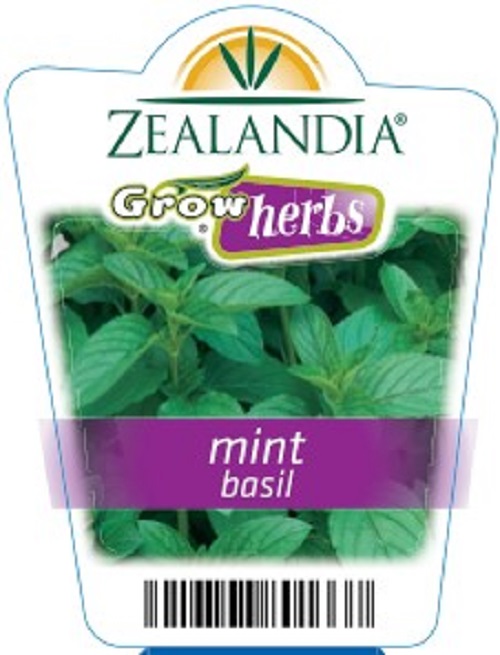
Imagine stepping outside your door and snipping fresh herbs to add a burst of flavor to your favorite dishes. Sounds idyllic, right? Growing your own herbs like mint and basil is easier than you think, and the reward of having fresh, aromatic ingredients at your fingertips is well worth the effort. Let's explore how to successfully cultivate these delightful herbs in your own garden or even in containers on your balcony.
How to Grow Mint and Basil: A Comprehensive Guide
Understanding Mint and Basil
Before diving into the nitty-gritty of planting and care, let's get to know our leafy friends a little better. Mint (Mentha) and basil (Ocimum basilicum) are both incredibly popular herbs, but they have distinct characteristics that influence how we grow them. Mint is known for its vigorous growth and refreshing flavor, while basil is prized for its sweet and slightly peppery taste. Consider these differences to make informed decisions throughout the planting process.
Mint: The Spreader
Mint is a perennial herb, meaning it comes back year after year. It's notorious for its aggressive growth habit, often spreading rapidly via underground runners. This can be a blessing if you want a lush ground cover, but a curse if you're trying to keep it contained. There are numerous varieties of mint, including peppermint, spearmint, chocolate mint, and orange mint, each with its unique aroma and flavor profile. Here are some key things to know about mint:
- Growth Habit: Aggressively spreading via underground runners.
- Sunlight: Prefers partial shade, but can tolerate full sun with adequate moisture.
- Soil: Well-drained, moist soil.
- Watering: Regular watering is essential, especially during hot weather.
- Uses: Culinary (teas, desserts, savory dishes), medicinal (digestive aid), aromatic (potpourri, essential oils).
Basil: The Tender Annual
Basil, on the other hand, is an annual herb, meaning it completes its life cycle in one growing season. It’s more sensitive to cold temperatures and requires warm conditions to thrive. Like mint, basil comes in a wide array of varieties, each with its unique flavor and appearance. Sweet basil is the most common type, but you can also find Thai basil, lemon basil, purple basil, and many more. Here are some key facts to keep in mind for basil:
- Growth Habit: Bushy, upright growth.
- Sunlight: Requires at least 6-8 hours of direct sunlight per day.
- Soil: Well-drained, fertile soil.
- Watering: Consistent watering, especially during hot weather, but avoid overwatering.
- Uses: Culinary (pasta sauces, salads, pesto), aromatic (potpourri).
Choosing Your Growing Method
You can grow mint and basil in several ways, depending on your available space and resources:
Growing in Containers
Container gardening is an excellent option for those with limited space or who want to control the spread of mint. It's also a good way to protect basil from unexpected temperature drops. Choose pots that are at least 12 inches in diameter to allow for adequate root growth. Make sure the containers have drainage holes to prevent waterlogging. Use a high-quality potting mix formulated for herbs or vegetables. When growing in pots, you'll be able to monitor the water levels more closely and move your plants around to get the most sunlight. Be sure to monitor the soil closely, especially during hot periods, as pots can dry out more quickly than in-ground gardens.
Growing in the Ground
Growing in the ground offers more space for root development and allows the plants to access nutrients more readily. However, it's crucial to consider the aggressive nature of mint. To prevent it from taking over your garden, consider planting it in a large container that is buried in the ground, with the rim of the container extending a few inches above the soil surface. For basil, ensure the soil is well-drained and amended with compost or other organic matter to improve fertility. When planting basil directly into the ground, be sure to give them enough space to allow for proper growth and air circulation. This is important to prevent fungal diseases.
Hydroponics
Hydroponics offers an alternative method that eliminates soil altogether, relying on nutrient-rich water solutions to feed the plants. This method can accelerate growth and reduce the risk of soilborne diseases. While a more advanced technique, it can yield excellent results for both mint and basil, providing precise control over nutrient levels and environmental factors. Hydroponic systems range from simple setups to sophisticated automated systems, catering to different levels of experience and investment.
Planting and Care: A Step-by-Step Guide
Whether you're growing in containers or in the ground, the basic principles of planting and care remain the same.
Starting from Seeds vs. Transplants
You can start mint and basil from seeds or purchase transplants from a local nursery. Starting from seeds offers more variety and can be more cost-effective, but it requires more time and attention. Transplants, on the other hand, provide a head start and are generally easier for beginners. Sow basil seeds indoors 6-8 weeks before the last expected frost. For mint, you can start seeds indoors or directly sow them into the garden after the last frost. When transplanting, be gentle with the roots and ensure the plants are properly spaced.
Soil Preparation and Planting
For both mint and basil, well-drained soil is essential. Amend the soil with compost or other organic matter to improve drainage and fertility. Mint prefers a slightly acidic to neutral p H (6.0-7.0), while basil prefers a slightly acidic p H (6.0-6.5). When planting, space mint plants about 18-24 inches apart and basil plants about 12-18 inches apart. Dig a hole slightly larger than the root ball, gently loosen the roots, and place the plant in the hole. Backfill with soil and water thoroughly.
Sunlight and Watering
Basil requires at least 6-8 hours of direct sunlight per day, while mint prefers partial shade but can tolerate full sun with adequate moisture. Water regularly, especially during hot, dry weather. Allow the soil to dry slightly between waterings to prevent root rot. Check the soil moisture by sticking your finger about an inch deep into the soil. If it feels dry, it's time to water. Early morning is the best time to water your plants to allow the foliage to dry before nightfall, reducing the risk of fungal diseases.
Fertilizing
Feed your mint and basil plants with a balanced organic fertilizer every 4-6 weeks during the growing season. Avoid over-fertilizing, as this can lead to leggy growth and reduced flavor. Look for a fertilizer specifically formulated for herbs or vegetables. You can also use compost tea or worm castings as a natural fertilizer. Be sure to follow the instructions on the fertilizer label and avoid getting fertilizer on the foliage, as this can cause burns.
Pruning and Harvesting
Regular pruning is essential for promoting bushy growth and preventing flowering. Once flowering occurs, the leaves can become bitter. Pinch off the tops of the plants regularly to encourage lateral growth. Harvest mint and basil leaves as needed, starting with the top leaves. You can also harvest entire stems, cutting them back to just above a leaf node. The more you harvest, the more the plants will produce. Try to harvest in the morning, after the dew has dried, for the best flavor.
Pest and Disease Control
Mint and basil are relatively pest-resistant, but they can be susceptible to certain pests and diseases. Aphids, spider mites, and whiteflies are common pests that can infest these herbs. To control these pests, you can use insecticidal soap or neem oil. Fungal diseases such as powdery mildew and downy mildew can also affect mint and basil, especially in humid conditions. To prevent these diseases, ensure good air circulation and avoid overwatering. If you notice any signs of disease, remove the affected leaves and apply a fungicide if necessary.
Troubleshooting Common Problems
Even with the best care, you may encounter some challenges when growing mint and basil. Here are some common problems and how to address them:
- Yellowing Leaves: This can be caused by overwatering, underwatering, nutrient deficiencies, or pests. Check the soil moisture and adjust your watering accordingly. Fertilize if necessary and inspect the plants for pests.
- Leggy Growth: This is often caused by insufficient sunlight or over-fertilizing. Move the plants to a sunnier location and reduce the amount of fertilizer.
- Bitter Leaves: This can occur if the plants are allowed to flower. Pinch off the flower buds to prevent flowering.
- Root Rot: This is caused by overwatering and poor drainage. Ensure the soil is well-drained and avoid overwatering.
Preserving Your Harvest
Once you have a bountiful harvest, you may want to preserve some of your mint and basil for later use. There are several ways to preserve these herbs:
- Drying: Hang the stems upside down in a cool, dry place until the leaves are completely dry. Store the dried leaves in an airtight container.
- Freezing: Chop the leaves and freeze them in ice cube trays with water or olive oil.
- Making Pesto: Blend basil leaves with garlic, pine nuts, Parmesan cheese, and olive oil to make pesto. Freeze the pesto in small portions.
- Infusing Oil or Vinegar: Add fresh mint or basil leaves to olive oil or vinegar to infuse them with flavor.
The most crucial tool you’ll need to water your growing mint and basil, is a reliable gardening hose, like theGarden Hose 75 FT with 10-Function Nozzle. This leak-proof, kink-free watering implement, complete with its metal connector and 10-function nozzle, will help you keep your mint and basil hydrated without any hassle. Its wear-resistant material and anti-pet design will provide longevity, letting you enjoy it for multiple growing seasons. To order the product, visit this link:https://amzn.to/3Yv E0Bo.
Enjoying Your Fresh Herbs
Now that you know how to grow mint and basil, it's time to start enjoying the fruits (or rather, leaves) of your labor. Add fresh mint to your teas, cocktails, and desserts. Use basil in your pasta sauces, salads, and pesto. Experiment with different varieties of mint and basil to discover your favorite flavors. Growing your own herbs is a rewarding experience that will enhance your culinary creations and bring joy to your garden. So get planting and enjoy the fresh, aromatic flavors of mint and basil!