Picture this: you’re making a delicious pesto, but you're out of fresh basil! A quick trip to the grocery store solves the problem, but what if you could extend the life of that store-bought basil and create an endless supply? The good news is, with a little know-how, you absolutely can! Growing Basil From Store-Bought: A Complete Guide So, can you really grow basil from store bought bunches? Absolutely! It's a fantastic way to save money, reduce waste, and enjoy fresh basil whenever you need it. However, the success of growing basil from store bought depends on a few key factors. This article will walk you through the entire process, from selecting the right basil to harvesting your homegrown leaves. We'll cover everything you need to know to successfully propagate basil from your grocery store haul. Selecting the Right Store-Bought Basil for Propagation Not all store-bought basil is created equal when it comes to propagation. To increase your ...
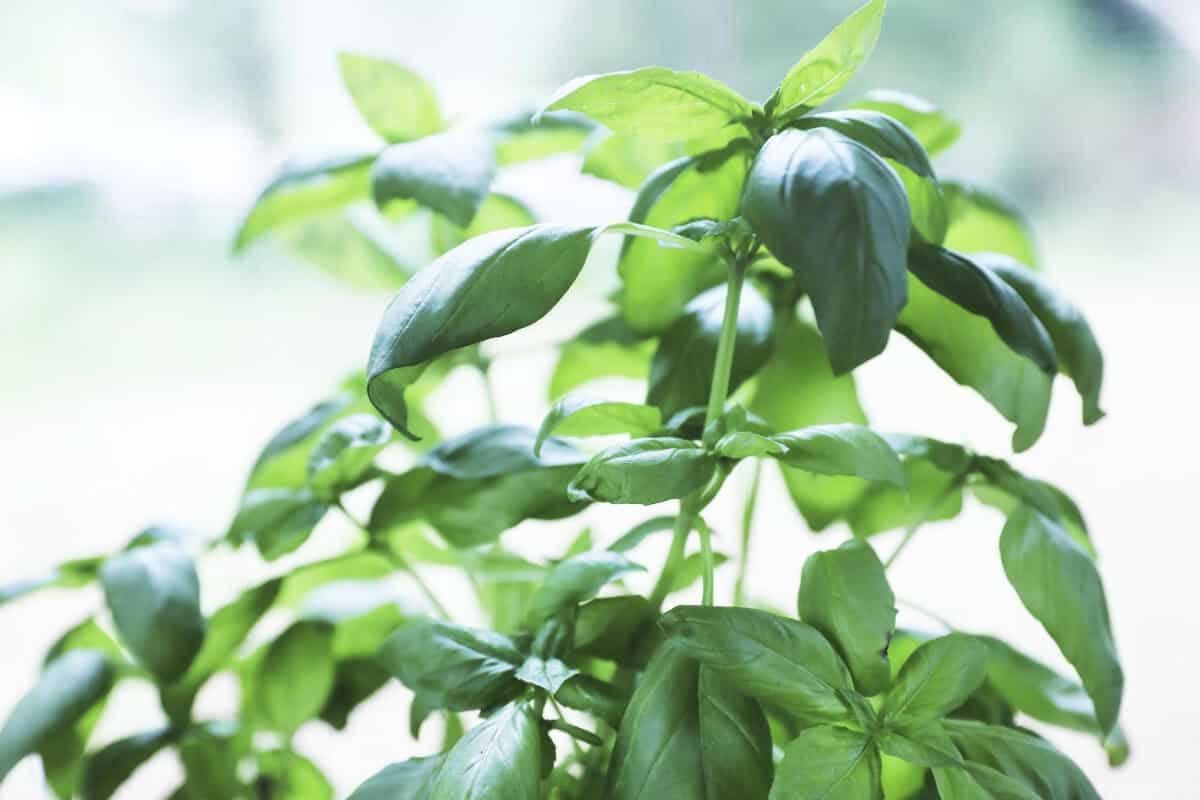
Imagine fresh, fragrant basil always at your fingertips, ready to elevate your culinary creations. Forget battling soil-borne pests and unpredictable weather – with hydroponics, growing basil becomes a clean, efficient, and incredibly rewarding experience. Ready to ditch the dirt and dive into the world of soilless gardening? Let's get started!
Getting Started with Hydroponic Basil
Hydroponics, simply put, is the art of growing plants without soil. Instead, plants receive all the nutrients they need from a nutrient-rich water solution. This method offers several advantages, especially when it comes to herbs like basil. You'll find that hydroponically grown basil often boasts faster growth rates, larger yields, and superior flavor compared to its soil-grown counterparts. Plus, it's an excellent way to garden in limited spaces!
Why Choose Hydroponics for Basil?
There are several compelling reasons why hydroponics is a fantastic choice for growing basil. Let's explore some of the key benefits:
- Faster Growth: Basil plants in hydroponic systems receive a constant and readily available supply of nutrients, leading to significantly faster growth compared to traditional soil cultivation. Expect to harvest your basil sooner!
- Higher Yields: The optimized growing conditions in hydroponics promote abundant foliage, resulting in larger and more frequent harvests. You'll have more basil than you know what to do with!
- Less Water Consumption: Hydroponic systems recycle water, reducing water waste compared to soil-based gardening. This is a particularly attractive feature for environmentally conscious gardeners.
- Reduced Pest and Disease Issues: Since there's no soil, you eliminate many common soil-borne pests and diseases that plague basil plants.
- Space Efficiency: Hydroponics allows you to grow a large quantity of basil in a relatively small area, making it ideal for apartment dwellers or those with limited outdoor space. Vertical hydroponic systems can further maximize space.
- Consistent Quality: Hydroponics provides precise control over the growing environment, resulting in consistent quality and flavor of your basil leaves.
Choosing the Right Hydroponic System for Basil
Several hydroponic systems are well-suited for growing basil. Here's a breakdown of some popular options:
Deep Water Culture (DWC)
DWC is one of the simplest and most affordable hydroponic systems. In DWC, basil roots are suspended in a nutrient-rich water solution that is constantly aerated by an air pump and air stone. This provides the roots with ample oxygen and nutrients. DWC is great for beginners due to its simplicity, but may require more management in fluctuating temperatures. Keep in mind, that temperature control is critical in DWC because temperature extremes can drastically affect the dissolved oxygen levels in your reservoir and affect the basil roots.
Nutrient Film Technique (NFT)
NFT involves continuously flowing a thin film of nutrient solution over the roots of the basil plants. The roots are partially exposed to air, providing them with oxygen. NFT systems are highly efficient and require minimal nutrient solution. NFT systems are better suited for larger scale operations. These can be a bit more difficult to setup due to the need of a constant and consistent supply of water.
Ebb and Flow (Flood and Drain)
Ebb and Flow systems periodically flood the growing tray with nutrient solution, then drain it back into the reservoir. This provides the plants with both nutrients and oxygen. Ebb and Flow systems are relatively easy to build and maintain. While they can be great for basil, they can be more prone to disease and pests due to standing water. Be sure to clean your system frequently to prevent problems.
Wick System
The Wick System is arguably the simplest type of hydroponic system. It's passive, meaning it doesn't have any moving parts. The nutrient solution is drawn up to the growing medium from the reservoir with a wick. This system is great for beginners and smaller plants, but might not be as effective for larger basil plants or rapid growth. If you're looking for a simple and low-maintenance option, the Wick System is a good place to start!
Drip System
Drip systems deliver nutrient solution directly to the base of each basil plant through small tubes. This allows for precise control over nutrient delivery and reduces water waste. Drip systems are versatile and can be adapted to various growing setups. Drip systems work really well for herbs such as basil because it prevents the leaves from getting wet, which can prevent fungal diseases.
How To Hydroponically Grow Basil: A Step-by-Step Guide
Now, let's dive into the specifics of how to hydroponically grow basil:
1. Starting Your Basil Seeds
You can start basil seeds directly in your hydroponic system, but it's generally easier to start them in a separate seed-starting tray or rockwool cubes. Here's how:
- Prepare Your Seed Starting Medium: Use rockwool cubes, coco coir plugs, or a seed-starting mix designed for hydroponics.
- Sow the Seeds: Place 2-3 basil seeds in each cube or plug.
- Keep Them Moist: Mist the medium regularly to keep it moist but not waterlogged.
- Provide Light: Place the tray under grow lights or in a sunny windowsill.
- Germination: Basil seeds typically germinate in 5-10 days.
2. Transplanting Seedlings into Your Hydroponic System
Once your basil seedlings have developed a few sets of true leaves (about 2-3 weeks after germination), they are ready to be transplanted into your hydroponic system. Handle the seedlings carefully to avoid damaging their delicate roots.
3. Nutrient Solution
Using the correct nutrient solution is critical for successful hydroponic basil growth. Choose a nutrient solution specifically formulated for leafy greens or herbs. Follow the manufacturer's instructions for dilution rates. The general recommendation is to keep your PPM (parts per million) of your nutrient solution between 500-700 for basil.
Important Considerations:
- Nutrient Balance: Ensure your nutrient solution contains all the essential macronutrients (nitrogen, phosphorus, potassium) and micronutrients (iron, manganese, zinc, etc.) that basil needs.
- p H Level: Maintain the p H level of your nutrient solution between 5.5 and
6.5. This range allows basil plants to efficiently absorb nutrients.
- Water Quality: Use clean, filtered water to prepare your nutrient solution. Avoid using tap water that contains high levels of chlorine or other additives.
4. Lighting
Basil thrives in bright light. If you're growing indoors, provide your basil plants with 14-16 hours of light per day using grow lights. LED grow lights are an energy-efficient option. If you are growing your basil outdoors, make sure it gets around 6 hours of direct sunlight.
5. Temperature and Humidity
Maintain a temperature of 65-80°F (18-27°C) and a humidity level of 40-60% for optimal basil growth. Good air circulation is also important to prevent fungal diseases. It is important to remember that higher temperatures can cause basil to bolt and go to seed. Bolting can affect the taste and quality of the basil leaves.
6. Pruning and Harvesting
Regular pruning encourages bushier growth and prevents the basil plants from becoming leggy. Pinch off the top sets of leaves to promote lateral branching. Harvest basil leaves regularly, starting from the top of the plant. This encourages continued growth and provides you with a continuous supply of fresh basil.
Pro Tip: To extend the life of your harvested basil, store it in a glass of water in the refrigerator. Change the water every 1-2 days.
7. Monitoring and Maintenance
Regularly monitor your hydroponic system for any signs of problems, such as nutrient deficiencies, pest infestations, or disease. Adjust the nutrient solution as needed and take corrective measures promptly. Clean your hydroponic system regularly to prevent algae growth and the buildup of salts.
Troubleshooting Common Issues
Even with careful planning and execution, you may encounter some challenges when growing basil hydroponically. Here are some common issues and how to address them:
- Nutrient Deficiencies: Yellowing leaves, stunted growth, or other discoloration can indicate nutrient deficiencies. Adjust the nutrient solution according to the specific deficiency.
- Pest Infestations: Aphids, spider mites, and other pests can attack hydroponic basil. Treat infestations with organic insecticides or insecticidal soap.
- Root Rot: Root rot is a fungal disease that can occur in hydroponic systems with poor aeration or stagnant water. Improve aeration and ensure proper drainage to prevent root rot.
- Algae Growth: Algae can grow in the nutrient solution, competing with the basil plants for nutrients. Use opaque containers and keep the system clean to prevent algae growth.
Speaking of maintaining a healthy garden, a reliable water hose is essential for cleaning your hydroponic system and surrounding areas. Consider a 75 FT Garden Hose with a 10-Function Nozzle. This leak-proof metal connector water hose is designed to be knot-free, kink-free, and wear-resistant, making it perfect for all your garden needs. Plus, it's lighter and anti-pet, ensuring durability and ease of use. Get yours here: https://amzn.to/3Yv E0Bo.
Final Thoughts
Growing basil hydroponically is a rewarding and efficient way to enjoy fresh, flavorful herbs year-round. With the right system, nutrient solution, and care, you can cultivate a thriving basil crop in your home, regardless of space limitations or weather conditions. So, embrace the world of soilless gardening and experience the joys of hydroponically grown basil!