Picture this: you’re making a delicious pesto, but you're out of fresh basil! A quick trip to the grocery store solves the problem, but what if you could extend the life of that store-bought basil and create an endless supply? The good news is, with a little know-how, you absolutely can! Growing Basil From Store-Bought: A Complete Guide So, can you really grow basil from store bought bunches? Absolutely! It's a fantastic way to save money, reduce waste, and enjoy fresh basil whenever you need it. However, the success of growing basil from store bought depends on a few key factors. This article will walk you through the entire process, from selecting the right basil to harvesting your homegrown leaves. We'll cover everything you need to know to successfully propagate basil from your grocery store haul. Selecting the Right Store-Bought Basil for Propagation Not all store-bought basil is created equal when it comes to propagation. To increase your ...
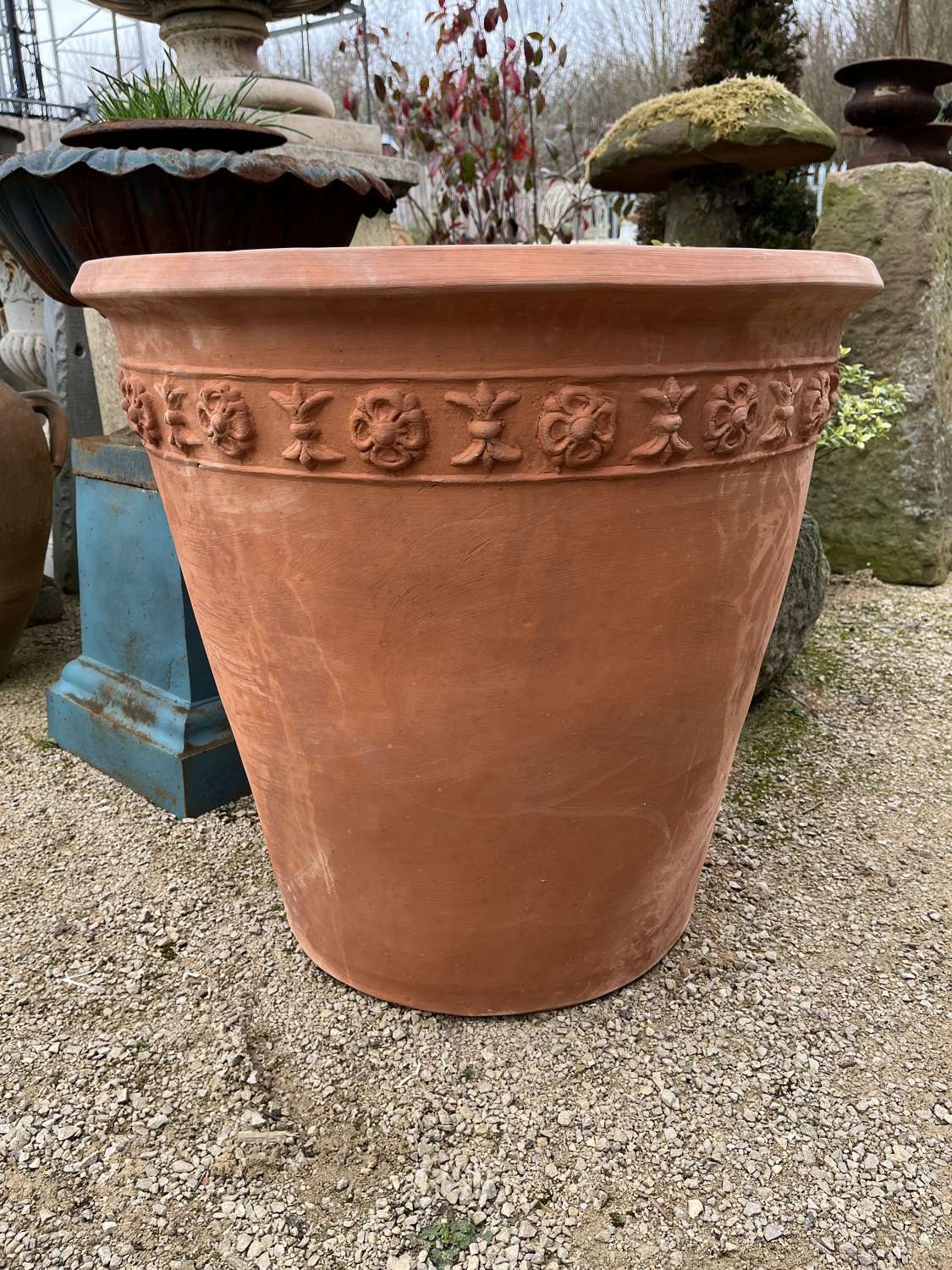
Basil, with its fragrant leaves and culinary versatility, is a favorite herb for home gardeners. But to truly unlock its potential, you need to consider the vessel it calls home – the pot! Choosing the right pot is crucial for healthy basil growth, ensuring proper drainage, sufficient space, and the right environment for your plants to thrive. So, let's delve into the world of pots and discover the best options for nurturing your basil plants.
Choosing the Right Pots for Growing Basil
Selecting the ideal pot for growing basil isn't just about aesthetics; it's about providing the optimal conditions for your basil to flourish. Several factors come into play, including material, size, and drainage. By carefully considering these aspects, you can ensure your basil plants have the best possible start and continue to thrive throughout the growing season.
Pot Material Matters
The material of your pot impacts moisture retention, temperature regulation, and overall plant health. Here are some common pot materials and their suitability for basil:
- Terracotta: This classic material is porous, allowing for excellent airflow and drainage. This is particularly beneficial in preventing root rot, which basil is susceptible to. However, terracotta pots can dry out quickly, so they require more frequent watering, especially in hot climates.
- Plastic: Lightweight and inexpensive, plastic pots are a popular choice. They retain moisture well, which can be advantageous in drier environments. However, poor drainage can lead to waterlogged soil. Choose plastic pots with drainage holes, and consider using a well-draining potting mix to mitigate this risk. Dark-colored plastic pots can also absorb heat, potentially damaging roots, so opt for lighter colors or place them in shaded areas during the hottest part of the day.
- Ceramic: Glazed ceramic pots are aesthetically pleasing and come in a wide variety of designs. They offer good insulation and moderate moisture retention. Ensure the pot has adequate drainage holes, as glazed ceramic isn't as breathable as terracotta.
- Metal: Metal pots can add a stylish touch to your garden or patio. However, they can heat up quickly in direct sunlight, potentially harming roots. Lighter-colored metal pots or those with insulation are better options. Also, make sure the metal is rust-resistant or treated to prevent corrosion.
Here's a table summarizing the pros and cons of each material:
| Material | Pros | Cons |
|---|---|---|
| Terracotta | Excellent drainage, good airflow | Dries out quickly, can be heavy |
| Plastic | Inexpensive, lightweight, retains moisture | Poor drainage if not designed properly, can overheat |
| Ceramic | Aesthetically pleasing, good insulation | Requires good drainage, can be heavy |
| Metal | Stylish, durable | Can overheat, may rust |
Pot Size for Basil Plants
The size of your pot is another crucial factor to consider. Basil plants need enough space for their roots to grow and spread. A pot that is too small will restrict root growth, leading to stunted plants and reduced yields. On the other hand, an overly large pot can retain too much moisture, increasing the risk of root rot. For a single basil plant, a pot that is at least 6-8 inches in diameter is a good starting point. If you plan to grow multiple basil plants in the same pot, opt for a larger container, allowing at least 6 inches of space between each plant. For example, you can grow about 3 basil plants in a 12 inch pot. Consider the mature size of your basil variety when choosing the pot size. Some varieties, like Genovese basil, can grow quite large and may require even larger pots.
Drainage is Key for Basil Growth
Proper drainage is essential for preventing root rot, a common problem for basil plants. Ensure your pot has adequate drainage holes at the bottom to allow excess water to escape. If your pot doesn't have enough drainage holes, you can drill additional holes or add a layer of gravel or pebbles at the bottom of the pot to improve drainage. When choosing a potting mix, opt for a well-draining blend that retains moisture without becoming waterlogged. A mix of potting soil, perlite, and vermiculite is often a good choice.
Best Types of Pots to Use for Growing Basil
While material and size are important considerations, the specific type of pot can also influence basil growth.
Standard Round or Square Pots
These are the most common types of pots and are suitable for growing basil. They are readily available and come in various sizes and materials. Ensure the pot has adequate drainage holes. These types of planting containers are the most common pots for basil, and are readily available, easy to store, and effective. They are also the most efficient in terms of space usage.
Self-Watering Pots
Self-watering pots can be a great option for basil, especially if you tend to forget to water your plants regularly. These pots have a reservoir at the bottom that holds water, which the plant can access as needed. This helps maintain consistent moisture levels and prevents overwatering or underwatering. Make sure to choose a self-watering pot that is appropriately sized for your basil plant and that has a good drainage system to prevent waterlogging. These containers are especially helpful if you plan on going on a vacation.
Hanging Baskets
Hanging baskets can be a beautiful way to grow basil, especially if you have limited space. Choose a basket that is large enough to accommodate the basil plant's root system and that has good drainage. Line the basket with a coco liner or other breathable material to help retain moisture. Be sure to water hanging baskets regularly, as they tend to dry out quickly, especially in windy conditions. Check the hanging basket daily to determine if you need to water it or not.
Raised Garden Beds as Basil Pots
While not technically "pots," raised garden beds offer an excellent alternative for growing basil, especially if you want to grow a large quantity of basil. Raised beds provide ample space for roots to spread and can be customized to suit your needs. Ensure the raised bed has good drainage and is filled with a well-draining potting mix. Raised beds also offer better protection from soilborne pests and diseases. If you plan on growing other plants together with your basil in the raised garden bed, remember that basil grows well with tomatoes and peppers, but keep your basil away from the rue plant, which is known to inhibit basil growth.
Tips for Success When Growing Basil in Pots
Beyond choosing the right pot, here are some additional tips to help you succeed in growing basil in containers:
- Use a high-quality potting mix: Avoid using garden soil in pots, as it can become compacted and poorly drained. A well-draining potting mix will provide the necessary nutrients and aeration for healthy basil growth.
- Water regularly: Basil needs consistent moisture, but avoid overwatering, which can lead to root rot. Water when the top inch of soil feels dry to the touch.
- Fertilize regularly: Basil is a heavy feeder and benefits from regular fertilization. Use a balanced fertilizer or a fertilizer specifically formulated for herbs.
- Provide adequate sunlight: Basil needs at least 6-8 hours of sunlight per day. Place your pots in a sunny location.
- Pinch off flower buds: Pinching off flower buds encourages the plant to produce more leaves, extending the harvest period.
Growing basil in pots is a rewarding experience. By choosing the right pot and following these tips, you can enjoy a bountiful harvest of fresh, fragrant basil right at your fingertips. Remember, a little care and attention will go a long way in ensuring your basil plants thrive and provide you with a delicious supply of herbs for your culinary creations.
While you're tending to your basil plants, consider how convenient it would be to have a reliable watering system. A quality option is theGarden Hose 75 FT with 10-Function Nozzle. This leak-proof metal connector water hoseis perfect for ensuring your basil gets the right amount of water, thanks to its versatile 10-function nozzle. Itskink-free design and durable construction make watering your plants a breeze. You can find this metal garden hose at a great price on Amazon: https://amzn.to/3Yv E0Bo