Picture this: you’re making a delicious pesto, but you're out of fresh basil! A quick trip to the grocery store solves the problem, but what if you could extend the life of that store-bought basil and create an endless supply? The good news is, with a little know-how, you absolutely can! Growing Basil From Store-Bought: A Complete Guide So, can you really grow basil from store bought bunches? Absolutely! It's a fantastic way to save money, reduce waste, and enjoy fresh basil whenever you need it. However, the success of growing basil from store bought depends on a few key factors. This article will walk you through the entire process, from selecting the right basil to harvesting your homegrown leaves. We'll cover everything you need to know to successfully propagate basil from your grocery store haul. Selecting the Right Store-Bought Basil for Propagation Not all store-bought basil is created equal when it comes to propagation. To increase your ...
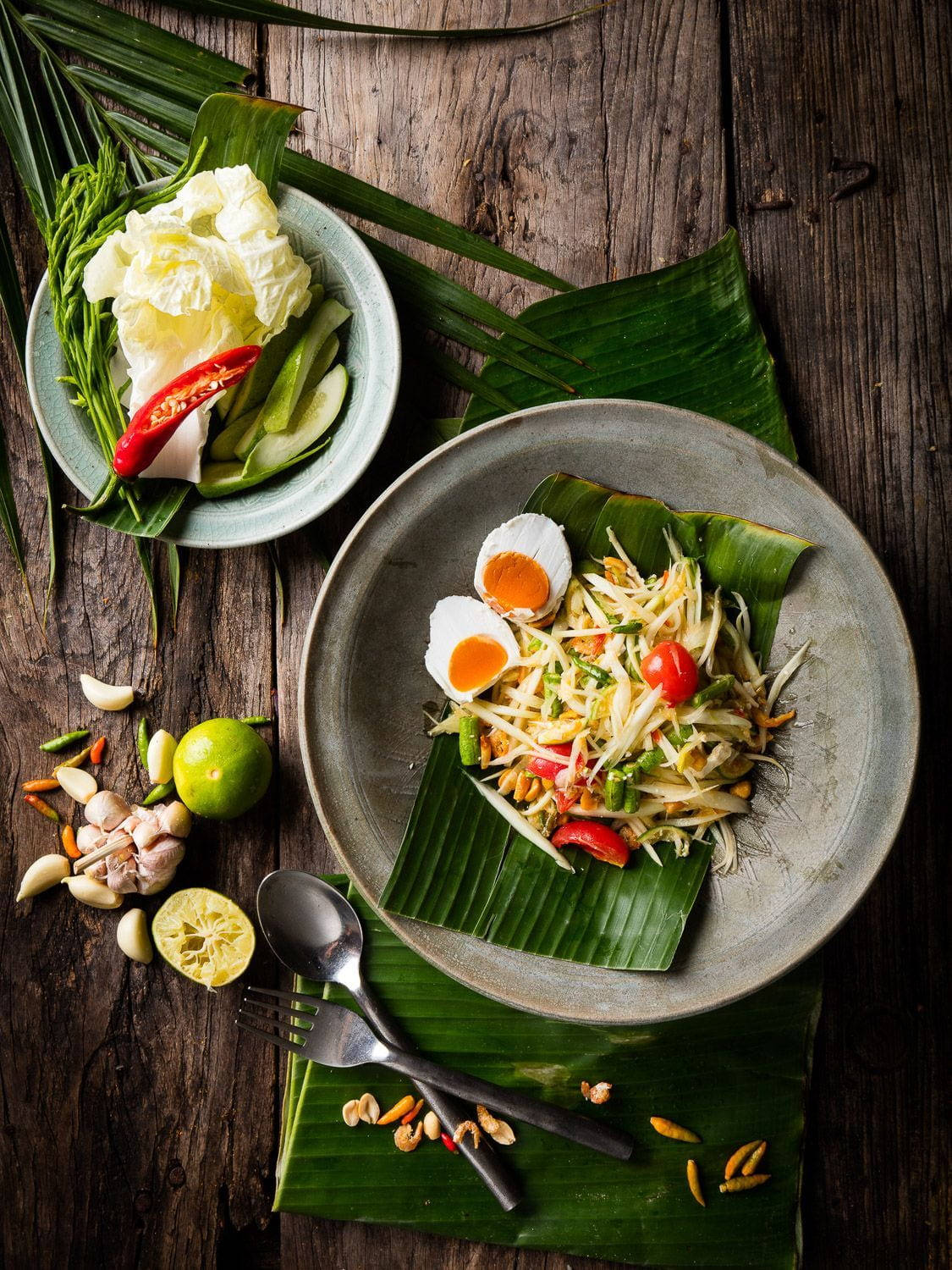
Have you ever dreamt of plucking fresh, fragrant basil leaves straight from your own garden to add that authentic Thai zing to your culinary creations? Growing Thai basil might seem intimidating, but trust me, it’s easier than you think! With a little know-how, you can have a flourishing Thai basil patch right in your backyard or even on your windowsill. Let's dive in!
Getting Started with Thai Basil Seeds
Thai basil (Ocimum basilicum var. thyrsiflora) is a wonderfully aromatic herb, distinct from sweet basil in its licorice-like flavor and slightly spicy undertones. Its vibrant green leaves and purple stems make it a beautiful and useful addition to any garden. Understanding the basics of Thai basil seed germination is the first step towards a bountiful harvest. In this section, we'll explore everything you need to know to successfully start your Thai basil journey.
Understanding Thai Basil Seeds
Thai basil seeds are small, black, and easily germinate under the right conditions. The key to successful germination lies in providing consistent moisture and warmth. Unlike some seeds that require darkness to sprout, Thai basil seeds need light to germinate properly. That means you shouldn't bury them too deeply when planting. Understanding these basic needs is crucial for a high germination rate.
What Makes Thai Basil Unique?
Before we dive into planting, let's quickly understand what sets Thai basil apart. Consider these factors:
- Flavor: Anise-like and slightly spicy.
- Appearance: Pointed leaves, purple stems, and purple flower spikes.
- Use: Popular in Southeast Asian cuisine, especially Thai dishes.
- Growth Habit: More compact and sturdy than sweet basil.
These differences mean that Thai basil has slightly different growing needs compared to other basil varieties. Be mindful of these differences when planning your garden.
How To Grow Thai Basil From Seed: A Step-by-Step Guide
This detailed guide covers every aspect of growing Thai basil from seed, ensuring you have all the information you need for a successful start. From choosing the right soil to providing the ideal growing conditions, we'll walk you through each step with detailed instructions and helpful tips.
Step 1: Gathering Your Supplies
Before you even think about planting, gather these essentials:
- Thai Basil Seeds: Purchase from a reputable source to ensure good germination rates.
- Seed Starting Trays or Small Pots: Choose containers with drainage holes.
- Seed Starting Mix: A light, well-draining mix specifically designed for seedlings.
- Spray Bottle: For gently watering the seeds.
- Heat Mat (Optional): To provide consistent bottom heat for faster germination.
- Grow Lights (Optional): If you're starting seeds indoors, especially during winter.
Step 2: Sowing Your Thai Basil Seeds
Now for the exciting part! Follow these steps to sow your seeds:
- Moisten the Seed Starting Mix: Ensure the mix is damp but not soggy.
- Fill Your Containers: Fill your seed starting trays or pots with the moistened mix.
- Sow the Seeds: Sprinkle a few seeds on the surface of the soil in each container. Remember, they need light to germinate, so don't bury them deeply. Gently press them into the soil.
- Lightly Cover the Seeds: Sprinkle a very thin layer of seed starting mix over the seeds.
- Water Gently: Use a spray bottle to mist the surface of the soil. Avoid overwatering, which can lead to rot.
Step 3: Creating the Ideal Germination Environment
Providing the right environment is essential for successful germination. Here's what you need to do:
- Temperature: Maintain a soil temperature of 70-80°F (21-27°C). Use a heat mat if necessary, especially in cooler climates.
- Light: Provide plenty of light. If you're starting seeds indoors, use grow lights for 12-16 hours per day. If you're placing them near a window, choose a south-facing window for maximum sunlight.
- Humidity: Cover the seed starting tray with a clear plastic dome or plastic wrap to maintain humidity. Remove the cover for a few hours each day to allow for air circulation and prevent mold growth.
- Moisture: Keep the soil consistently moist but not waterlogged. Check the moisture level daily and mist the surface as needed.
Germination typically takes 5-10 days under ideal conditions. Be patient and consistent with your care.
Step 4: Thinning and Transplanting Seedlings
Once your seedlings have sprouted and developed their first set of true leaves (the leaves that appear after the initial seed leaves), it's time to thin them out. This involves removing some of the seedlings to give the remaining ones enough space to grow.
- Thinning: Choose the strongest seedlings in each container and gently snip off the weaker ones at soil level using small scissors. Avoid pulling them out, as this can disturb the roots of the remaining seedlings.
- Transplanting: When the seedlings have developed 2-3 sets of true leaves and are a few inches tall, they're ready to be transplanted into larger pots or directly into your garden.
When transplanting, handle the seedlings with care to avoid damaging their delicate roots. Dig a small hole in the new pot or garden bed, gently remove the seedling from its original container, and place it in the hole. Backfill with soil and water gently.
Speaking of watering, having the right tools is essential. To make watering your newly transplanted Thai basil seedlings easier, you might consider getting a high-quality water hose. AGarden Hose 75 FT with 10-Function Nozzle, Leak-proof Metal Connector Water Hose, No Knots, Kink-Free, Lighter, Anti-Pets, Wear-Resistant, 3/4 GHT, Metal Hose for Garden, Yard, Outdoor would be a fantastic addition to your gardening equipment. It’s durable and easy to use, ensuring your plants get the water they need without any hassle. You can find it here: https://amzn.to/3Yv E0Bo. A reliable gardening hose is so useful for new seedlings and mature plants alike!
Caring For Your Thai Basil Plants
Now that you've successfully germinated and transplanted your Thai basil seedlings, it's time to focus on providing them with the care they need to thrive. This includes proper watering, fertilizing, and pest control. Let's explore each of these aspects in detail.
Watering
Thai basil prefers consistently moist soil but doesn't like to be waterlogged. Water deeply when the top inch of soil feels dry to the touch. Avoid overhead watering, which can promote fungal diseases. Instead, water at the base of the plant. In hot, dry weather, you may need to water more frequently. Consider using a soaker hose or drip irrigation system to provide consistent moisture directly to the roots.
Sunlight
Thai basil thrives in full sun, requiring at least 6-8 hours of direct sunlight per day. If you're growing Thai basil indoors, place it near a sunny window or use grow lights to supplement natural light. Insufficient sunlight can lead to leggy growth and reduced flavor.
Soil
Well-draining soil is essential for healthy Thai basil growth. The ideal soil is rich in organic matter and has a slightly acidic to neutral p H (6.0-7.5). Amend your garden soil with compost or well-rotted manure to improve drainage and fertility. Avoid heavy clay soils, which can retain too much moisture and lead to root rot.
Fertilizing
Thai basil is a relatively light feeder, but it benefits from regular fertilization. Use a balanced organic fertilizer or compost tea every 2-3 weeks during the growing season. Avoid over-fertilizing, which can lead to excessive vegetative growth at the expense of flavor. Look for fertilizers specifically formulated for herbs or vegetables.
Pest and Disease Control
Thai basil is generally resistant to pests and diseases, but it can be susceptible to certain problems, especially in humid conditions. Common pests include aphids, spider mites, and whiteflies. Control these pests with insecticidal soap or neem oil. Fungal diseases, such as powdery mildew, can be prevented by providing good air circulation and avoiding overhead watering. If you notice signs of disease, remove affected leaves and treat the plant with a fungicide.
Harvesting Thai Basil
Regular harvesting encourages bushier growth and prevents the plant from flowering, which can reduce the flavor of the leaves. Start harvesting when the plant is about 6-8 inches tall. Pinch off the top leaves and stems, just above a set of leaves. This will encourage the plant to branch out and produce more leaves. Harvest frequently throughout the growing season. Thai basil can be harvested until the first frost.
Tips and Tricks for Bumper Crops of Thai Basil
Want to take your Thai basil growing to the next level? Here are some insider tips and tricks to ensure you have a thriving and productive plant:
- Pinch off Flower Buds: As mentioned earlier, pinching off flower buds is crucial for maintaining the flavor of the leaves. Once the plant starts to flower, the leaves become more bitter.
- Succession Planting: To ensure a continuous supply of Thai basil throughout the growing season, sow new seeds every few weeks. This is called succession planting.
- Companion Planting: Plant Thai basil near tomatoes, peppers, and eggplant. It can help repel pests and improve the flavor of these vegetables.
- Indoor Growing: If you live in a colder climate, consider growing Thai basil indoors during the winter months. Provide plenty of light and maintain consistent moisture.
Conclusion
Growing Thai basil from seed is a rewarding experience that brings the vibrant flavors of Southeast Asia right to your fingertips. With a little knowledge and care, you can enjoy fresh, aromatic leaves throughout the growing season. So, grab your seeds, follow these tips, and get ready to savor the deliciousness of homegrown Thai basil in your favorite dishes! Happy gardening!