Picture this: you’re making a delicious pesto, but you're out of fresh basil! A quick trip to the grocery store solves the problem, but what if you could extend the life of that store-bought basil and create an endless supply? The good news is, with a little know-how, you absolutely can! Growing Basil From Store-Bought: A Complete Guide So, can you really grow basil from store bought bunches? Absolutely! It's a fantastic way to save money, reduce waste, and enjoy fresh basil whenever you need it. However, the success of growing basil from store bought depends on a few key factors. This article will walk you through the entire process, from selecting the right basil to harvesting your homegrown leaves. We'll cover everything you need to know to successfully propagate basil from your grocery store haul. Selecting the Right Store-Bought Basil for Propagation Not all store-bought basil is created equal when it comes to propagation. To increase your ...
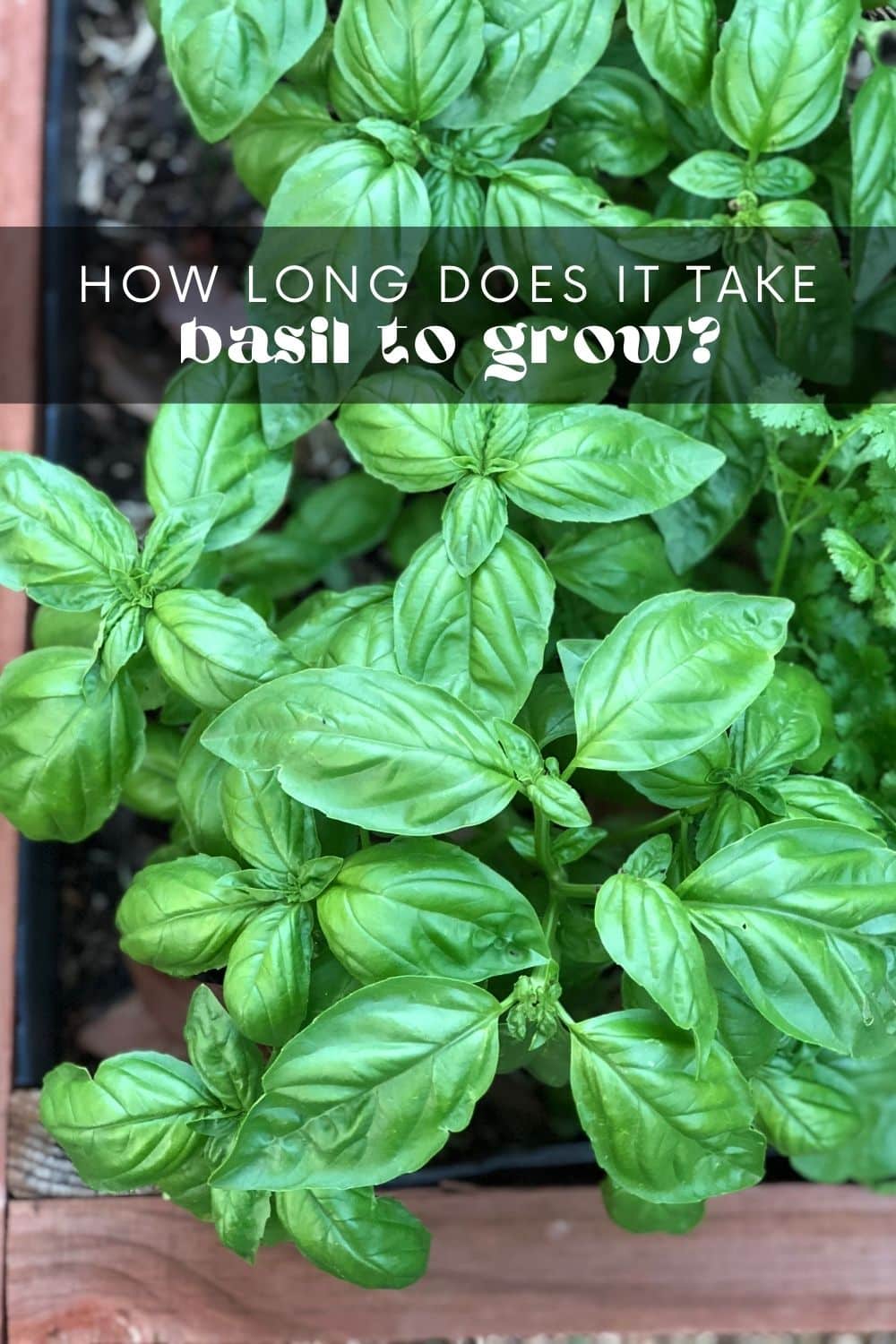
There's nothing quite like the fresh, peppery aroma of basil wafting from your garden, ready to be snipped and sprinkled over your favorite dishes. But patience, as they say, is a virtue – especially when it comes to gardening. So, you're eager to know: justhow long does it take to grow basil? Let's dig in and uncover the secrets to a bountiful basil harvest.
Factors Affecting Basil Growth Time
The answer to "How long does it take to grow basil?" isn't a simple one-size-fits-all number. Several factors influence the growth timeline, meaning your basil might be ready sooner or later than your neighbor's. Let's explore these key elements:
Starting Method: Seeds vs. Seedlings
One of the biggest determinants of how quickly you'll be harvesting basil is whether you start from seeds or purchase established seedlings from a nursery. Starting from seeds requires more time, but it can be more cost-effective. Seedlings, on the other hand, give you a head start.
- Seeds: Expect germination to take 5-10 days under optimal conditions. From there, it will take another 4-6 weeks before the plant is large enough to transplant or harvest from.
- Seedlings: If you opt for seedlings, you can potentially harvest within 2-3 weeks of planting. This is because the plant has already developed its root system and initial foliage.
Basil Variety
Not all basil varieties are created equal. Some basil types, like Sweet Basil (the most common), tend to grow relatively quickly. Others, such as Thai Basil or Lemon Basil, might have slightly different growth rates. Typically, the size of the plant at maturity and its leaf size can influence its maturation time. Larger, more vigorous varieties often take a bit longer to reach full size compared to smaller, more compact ones.
Environmental Conditions: Light, Temperature, and Soil
Basil is a sun-loving plant that thrives in warm temperatures. The environmental conditions play a major role in how quickly your basil plants grow. Factors such as light, temperature, and soil quality can significantly affect the basil growth time. Here's a breakdown:
- Light: Basil needs at least 6-8 hours of direct sunlight per day. Insufficient light can lead to leggy growth and slower development.
- Temperature: Basil prefers temperatures between 65°F and 85°F (18°C - 29°C). Frost is a basil killer, so be sure to protect your plants from cold snaps.
- Soil: Well-draining soil rich in organic matter is essential. Poor soil can stunt growth and make your basil more susceptible to diseases.
Providing the ideal light, temperature, and soil conditions will ensure your basil grows as quickly and healthily as possible. You can also add fertilizer to improve soil quality and ensure basil has enough nutrients to grow quickly.
Watering and Nutrients
Consistent watering and proper fertilization are also crucial for healthy basil growth. Basil needs regular watering, especially during hot weather. However, avoid overwatering, which can lead to root rot. A balanced fertilizer can provide the necessary nutrients for vigorous growth.
Quote: "Proper watering and fertilization are the cornerstones of successful basil cultivation," says renowned horticulturalist Jane Doe.
To make watering easier, consider investing in a reliable garden hose. A versatile75 FT Garden Hose with a 10-Function Nozzle offers excellent reach and control for watering your entire garden, ensuring your basil gets the moisture it needs. Find it here: https://amzn.to/3Yv E0Bo.
Typical Timeline for Basil Growth
Now, let's get down to brass tacks. Given optimal conditions, here's a general timeline for basil growth:
- Germination (from seed): 5-10 days
- Seedling development: 4-6 weeks
- Harvest from seedlings: 2-3 weeks after planting
- Total time from seed to harvest: 6-9 weeks
Keep in mind that these are estimates. Your basil might grow faster or slower depending on the factors mentioned above. Consistent monitoring and care are key to a successful harvest.
Tips to Speed Up Basil Growth
Want to give your basil a little boost? Here are some tips to encourage faster growth:
- Start indoors: Starting seeds indoors 6-8 weeks before the last expected frost can give your basil a head start.
- Provide adequate light: If you don't have enough natural sunlight, consider using grow lights.
- Maintain warm temperatures: Use a cold frame or greenhouse to protect your basil from cold temperatures.
- Use well-draining soil: Amend your soil with compost or other organic matter to improve drainage.
- Fertilize regularly: Use a balanced fertilizer every 2-3 weeks.
- Pinch off flower buds: Pinching off flower buds encourages the plant to focus its energy on producing leaves. This will help increase the basil growth time and overall size.
Troubleshooting Common Basil Growth Problems
Even with the best care, you might encounter some problems along the way. Here are some common basil growth issues and how to address them:
- Yellowing leaves: This could be a sign of overwatering, underwatering, or nutrient deficiencies. Adjust your watering schedule and fertilize as needed.
- Leggy growth: This is usually caused by insufficient light. Provide more light or move your plant to a sunnier location.
- Pests: Basil can be susceptible to pests like aphids and spider mites. Use insecticidal soap or neem oil to control infestations.
- Diseases: Fungal diseases can also affect basil. Ensure good air circulation and avoid overwatering.
How to Harvest Basil for Continued Growth
Proper harvesting can actually encourage basil to grow even more! Instead of snipping off individual leaves, pinch off the entire stem just above a leaf node (where leaves emerge from the stem). This encourages the plant to branch out and produce more leaves.
Fact: Regularly harvesting your basil will result in a bushier, more productive plant.
Conclusion: Patience and Care Yield a Bountiful Basil Harvest
So,*how long does it take to grow basil? The answer, as we've seen, is variable. But with a little patience, the right conditions, and consistent care, you can enjoy a bountiful harvest of fresh, fragrant basil in a matter of weeks. Now get out there and get growing!