Picture this: you’re making a delicious pesto, but you're out of fresh basil! A quick trip to the grocery store solves the problem, but what if you could extend the life of that store-bought basil and create an endless supply? The good news is, with a little know-how, you absolutely can! Growing Basil From Store-Bought: A Complete Guide So, can you really grow basil from store bought bunches? Absolutely! It's a fantastic way to save money, reduce waste, and enjoy fresh basil whenever you need it. However, the success of growing basil from store bought depends on a few key factors. This article will walk you through the entire process, from selecting the right basil to harvesting your homegrown leaves. We'll cover everything you need to know to successfully propagate basil from your grocery store haul. Selecting the Right Store-Bought Basil for Propagation Not all store-bought basil is created equal when it comes to propagation. To increase your ...
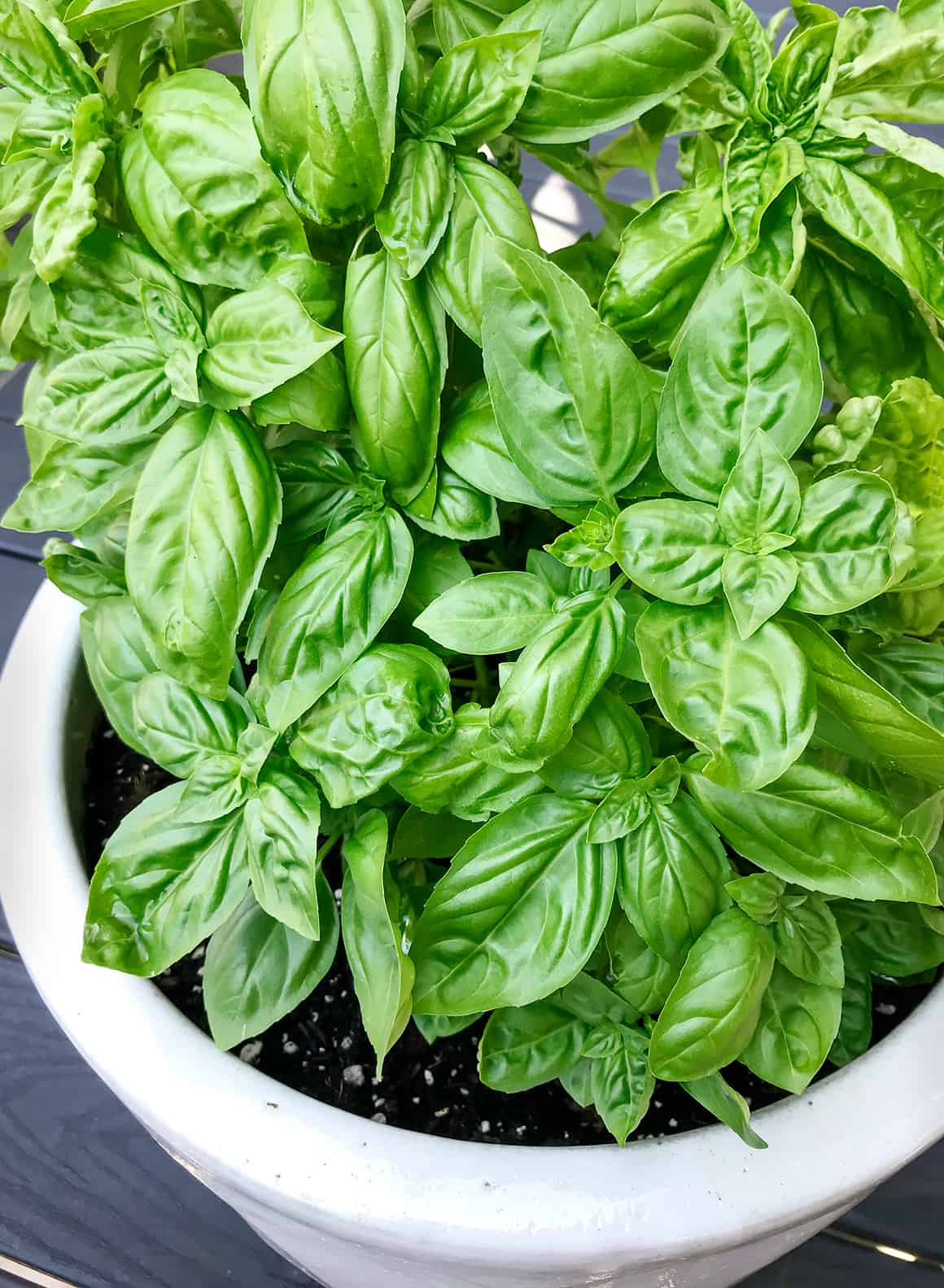
There's nothing quite like the fresh, aromatic burst of basil straight from your garden. Its vibrant green leaves can elevate everything from a simple Caprese salad to a complex Thai curry. But successfully growing basil in Australia requires understanding our unique climate and seasons. Let's dive in and explore the best times and methods to cultivate this culinary delight in your own backyard.
Understanding Basil Growing Season in Australia
Australia's diverse climate means the basil growing season isn't the same across the entire country. It heavily depends on your specific location and the type of basil you're planning to grow. Generally, basil thrives in warm weather, so the prime time for planting is during spring and summer. However, you might be able to extend your growing season with some clever techniques, which we'll cover later.
When is the Ideal Time to Plant Basil in Australia?
The optimal basil planting time in Australia largely depends on your region. Here's a breakdown:
- Tropical Regions (Northern Queensland, Northern Territory): Here, basil can be grown almost year-round, with the exception of the wet season when humidity can cause issues. Planting is usually successful from early spring to late autumn.
- Subtropical Regions (Southern Queensland, Northern New South Wales): Aim for spring to late summer planting for best results. You can even get a head start by planting indoors earlier in spring.
- Temperate Regions (Southern New South Wales, Victoria, South Australia, Tasmania): The main basil growing season stretches from late spring to early autumn. Monitor soil temperature; it needs to be consistently above 18°C (64°F) for successful germination and growth.
- Arid/Semi-Arid Regions (Central Australia, parts of Western Australia): These areas can be challenging. Plant after the last frost in spring and provide plenty of shade during the intense summer heat. Consider using pots to move the basil to sheltered locations if necessary.
Considering Regional Climatic Variations for Basil Success
Within these broader regions, microclimates can significantly impact your basil growing experience. For example, coastal areas might have milder temperatures compared to inland locations. In colder areas, starting your basil indoors is a smart move. Using a greenhouse or even a sunny windowsill can provide the warmth and protection young basil seedlings need.
To ensure your garden thrives, choosing the right gardening tools is essential. If you're looking for a reliable way to keep your plants watered, consider checking out a75 FT Garden Hose with a 10-Function Nozzle, featuring leak-proof metal connectors and a kink-free design. It's a durable and practical option for any gardener, making watering a breeze. You can find a variety of models here:https://amzn.to/3Yv E0Bo
Checking Soil Temperatures for Optimal Germination
Basil seeds need warmth to germinate successfully. Soil temperature is a key factor. Use a soil thermometer to monitor the temperature and ensure it's consistently above 18°C (64°F) before planting. You can warm up the soil by using black plastic mulch. Lay it over the planting area a few weeks before planting to absorb the sun's heat.
Different Basil Varieties and Their Growing Seasons
Different basil varieties may have slightly different growing preferences, although the general principles remain the same. Here's a brief overview of some popular types:
- Sweet Basil (Ocimum basilicum): This is the most common type of basil, and its growing season aligns with the general recommendations for your region.
- Thai Basil (Ocimum basilicum var. thyrsiflora): Thai basil thrives in hot, humid conditions, making it well-suited for tropical and subtropical regions. It also appreciates plenty of sunshine, so be mindful of this as you plan for growing seasons.
- Lemon Basil (Ocimum basilicum 'Citriodorum'): Lemon basil has a slightly longer growing season.
- Purple Basil (Ocimum basilicum 'Purpurascens'): The purple basil growing season is also similar to sweet basil, but it tends to be more tolerant of cooler temperatures.
Choosing the Right Basil Variety for Your Location
Consider your local climate when selecting your basil variety. In hotter, more humid regions, Thai basil might thrive, while in cooler areas, purple basil could be a better choice. Experimenting with different varieties can also be a fun way to discover your favorite basil and how it performs in your garden.
Extending Your Basil Growing Season in Australia
Even if you live in a cooler region, there are ways to extend your basil growing season and enjoy fresh basil for longer.
- Starting Seeds Indoors: Sow basil seeds indoors 6-8 weeks before the last expected frost. Use seed-starting trays or small pots filled with a good-quality seed-starting mix. Keep the soil consistently moist and provide plenty of light, either from a sunny window or a grow light. Once the seedlings have developed a few sets of true leaves, you can gradually harden them off by exposing them to outdoor conditions for increasing periods each day before transplanting them into the garden.
- Using Cold Frames or Greenhouses: Cold frames and greenhouses provide a protected environment for your basil plants, allowing you to start planting earlier in the spring and extend the season into the autumn. They trap heat and shield the plants from frost and cold winds.
- Growing Basil in Pots: Growing basil in pots offers flexibility. You can move the pots indoors during cold snaps or to a sunnier location as needed. Choose pots with good drainage and use a well-draining potting mix.
- Succession Planting: Sow basil seeds every few weeks to ensure a continuous supply of fresh basil throughout the growing season. This is especially helpful if you're using basil frequently in your cooking.
Protecting Basil Plants from Frost
Frost can be devastating to basil plants. If a frost is predicted, take precautions to protect your plants. Cover them with horticultural fleece or blankets, or move potted basil indoors. Make sure the covering doesn't touch the leaves, as this can cause frost damage. Remove the covering in the morning once the temperature rises.
Tips for Successfully Growing Basil in Australia
Beyond timing, there are essential care practices to ensure your basil plants thrive.
- Sunlight: Basil needs at least 6-8 hours of sunlight per day. Choose a sunny location in your garden or provide supplemental lighting if growing indoors.
- Soil: Basil prefers well-draining soil that is rich in organic matter. Amend your soil with compost or well-rotted manure before planting. A slightly acidic to neutral p H (6.0-7.5) is ideal.
- Watering: Water basil plants regularly, especially during hot weather. Allow the soil to dry out slightly between waterings. Avoid overhead watering, as this can promote fungal diseases. Water at the base of the plant in the morning.
- Fertilizing: Feed basil plants with a balanced liquid fertilizer every 2-3 weeks during the growing season. You can also use a slow-release fertilizer at planting time.
- Pest and Disease Control: Basil can be susceptible to pests such as aphids, spider mites, and whiteflies. Monitor your plants regularly and take action if you see any signs of infestation. Use insecticidal soap or neem oil to control pests. Basil can also be affected by fungal diseases such as powdery mildew and downy mildew. Ensure good air circulation around your plants and avoid overhead watering to prevent these diseases. Remove any infected leaves promptly.
- Pruning: Pruning basil plants regularly encourages bushier growth and prevents them from flowering. Pinch off the top set of leaves on each stem when the plant is about 6 inches tall. Continue to pinch off the flowers as they appear to keep the plant producing leaves.
By understanding the ideal basil growing season in your specific Australian region, choosing the right varieties, and following these essential care tips, you can enjoy a bountiful harvest of fresh, aromatic basil throughout the year. Happy gardening!