Picture this: you’re making a delicious pesto, but you're out of fresh basil! A quick trip to the grocery store solves the problem, but what if you could extend the life of that store-bought basil and create an endless supply? The good news is, with a little know-how, you absolutely can! Growing Basil From Store-Bought: A Complete Guide So, can you really grow basil from store bought bunches? Absolutely! It's a fantastic way to save money, reduce waste, and enjoy fresh basil whenever you need it. However, the success of growing basil from store bought depends on a few key factors. This article will walk you through the entire process, from selecting the right basil to harvesting your homegrown leaves. We'll cover everything you need to know to successfully propagate basil from your grocery store haul. Selecting the Right Store-Bought Basil for Propagation Not all store-bought basil is created equal when it comes to propagation. To increase your ...
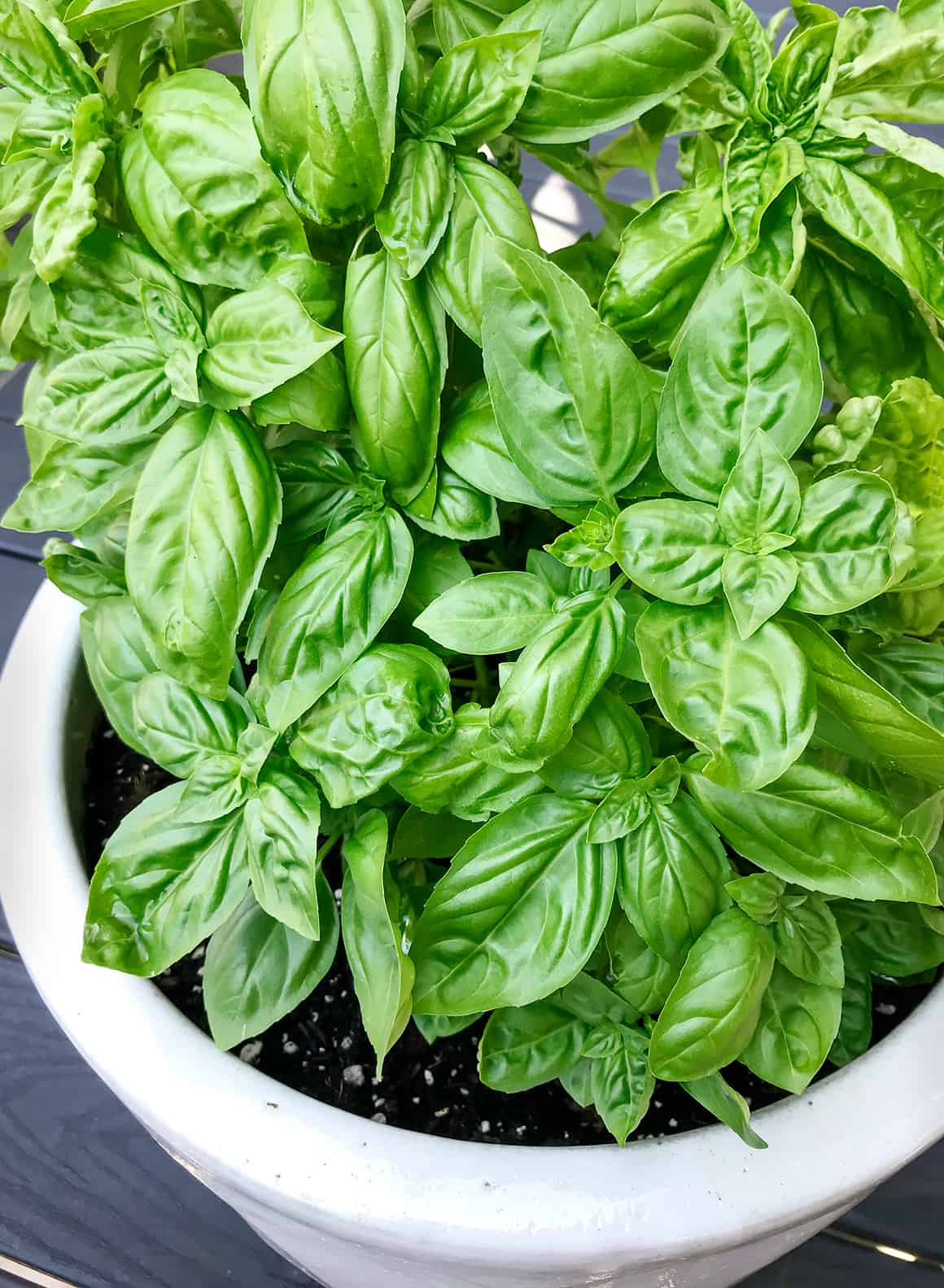
Isn't it disheartening when you eagerly plant basil, envisioning fragrant pesto and fresh Caprese salads, only to find your basil plant stubbornly refusing to grow? You're not alone! Many gardeners face this frustration. Let's explore the common reasons why your basil plant might not be thriving and how to turn things around.
Why is My Basil Plant Not Growing? Understanding the Common Culprits
Several factors can contribute to a basil plant's stunted growth. Identifying the cause is the first step towards solving the problem. Let's dive into the most frequent offenders:
Improper Sunlight: The Basil Plant's Sunshine Needs
Basil is a sun-loving herb. It needs at least 6-8 hours of direct sunlight per day to flourish. Without sufficient sunlight, the plant won't be able to photosynthesize effectively, leading to slow or no growth. Shady locations are a death sentence for basil.
- Insufficient Sunlight Symptoms: Leggy growth (long stems with few leaves), pale leaves, slow or no growth.
- Solution: Relocate your basil plant to a sunnier spot. If growing indoors, consider using grow lights to supplement natural sunlight.
- Pro Tip: South-facing windows typically provide the most sunlight.
Soil Quality: Feeding Your Basil Plant for Optimal Growth
Basil needs well-draining soil that is rich in organic matter. Heavy clay soil can become waterlogged, suffocating the roots and hindering growth. Nutrient-poor soil will also deprive the plant of essential elements needed for healthy development.
Testing Your Soil's p H
Basil thrives in soil with a slightly acidic to neutral p H, ideally between 6.0 and
7.5. You can test your soil's p H using a home test kit or send a sample to a local agricultural extension office for more accurate results.
Improving Soil Quality
If your soil is lacking, amend it with compost, well-rotted manure, or other organic matter. This will improve drainage, aeration, and nutrient content. For clay soil, adding perlite or sand can also help improve drainage. Always consider the benefits of investing in a top-quality garden hose to keep your basil happy and watered. A great option is this75 FT Garden Hose which includes a handy 10-function nozzle! With its leak-proof metal connectors, the no-kink design will make watering your garden a breeze. Find it here: https://amzn.to/3Yv E0Bo
Watering Woes: Finding the Right Balance for Your Basil
Overwatering and underwatering are both common reasons why basil plants struggle. Basil needs consistent moisture, but soggy soil can lead to root rot, a fatal condition. Conversely, allowing the soil to dry out completely will stress the plant and stunt its growth.
- Overwatering Symptoms: Yellowing leaves, wilting (even when the soil is wet), root rot (indicated by mushy, brown roots).
- Underwatering Symptoms: Wilting leaves, dry and crumbly soil, stunted growth.
- Watering Technique: Water deeply when the top inch of soil feels dry to the touch. Avoid overhead watering, as this can promote fungal diseases.
- Container Considerations: Ensure your pot has drainage holes to prevent waterlogging.
Temperature Fluctuations: Keeping Your Basil Plant Comfortable
Basil is sensitive to cold temperatures and frost. Ideally, it should be grown in temperatures between 60°F and 80°F (15°C and 27°C). Exposure to temperatures below 50°F (10°C) can damage or kill the plant.
Protecting Your Basil from Cold
If you live in an area with cool nights or occasional frost, protect your basil plant by bringing it indoors or covering it with a frost blanket. For container plants, moving them to a sheltered location is often sufficient.
Pests and Diseases: Defending Your Basil Plant
Several pests and diseases can attack basil plants, hindering their growth. Common culprits include aphids, spider mites, whiteflies, and fungal diseases like powdery mildew.
Identifying and Treating Pests
Regularly inspect your basil plant for signs of pests, such as small insects on the leaves or sticky residue. If you find pests, try treating them with insecticidal soap or neem oil. For severe infestations, you may need to use a stronger insecticide.
Preventing Fungal Diseases
To prevent fungal diseases, avoid overhead watering, ensure good air circulation around the plant, and remove any infected leaves. Fungicides can be used as a preventative measure or to treat existing infections.
Nutrient Deficiencies: Ensuring Your Basil Plant Has Enough Food
Basil, like all plants, needs essential nutrients like nitrogen, phosphorus, and potassium to grow. Nutrient deficiencies can manifest as yellowing leaves, stunted growth, or poor flowering.
Fertilizing Your Basil Plant
Fertilize your basil plant every 2-4 weeks with a balanced fertilizer. Alternatively, you can use a liquid seaweed fertilizer or compost tea. Avoid over-fertilizing, as this can burn the roots.
Transplant Shock: Helping Your Basil Plant Adjust
Transplanting basil seedlings can sometimes cause transplant shock, which can stunt their growth for a period of time. Transplant shock occurs when the plant's roots are disturbed during the transplanting process.
Minimizing Transplant Shock
To minimize transplant shock, handle the seedlings carefully when transplanting them. Water them thoroughly after transplanting, and protect them from direct sunlight for a few days. You can also use a transplant solution to help them recover.
Troubleshooting: Basil Plant Not Growing Case Studies
Let's look at some example situations and how to solve them.
- Case Study 1: "My basil plant is getting plenty of sunlight but the leaves are yellowing." Possible cause: Nutrient deficiency. Solution: Fertilize with a balanced fertilizer.
- Case Study 2: "My basil plant is wilting even though I water it regularly." Possible cause: Root rot due to overwatering. Solution: Allow the soil to dry out completely between waterings. Improve drainage. Consider repotting into fresh soil.
- Case Study 3: "My basil plant has small white flies on the leaves." Possible cause: Whitefly infestation. Solution: Treat with insecticidal soap or neem oil.
Conclusion: Nurturing Your Basil Plant to Success
Growing basil can be incredibly rewarding. By understanding the plant's needs and addressing any potential issues promptly, you can ensure your basil plant thrives and provides you with a bountiful harvest of fresh, flavorful leaves. Don't give up! With a little care and attention, you'll be enjoying homemade pesto in no time.