Picture this: you’re making a delicious pesto, but you're out of fresh basil! A quick trip to the grocery store solves the problem, but what if you could extend the life of that store-bought basil and create an endless supply? The good news is, with a little know-how, you absolutely can! Growing Basil From Store-Bought: A Complete Guide So, can you really grow basil from store bought bunches? Absolutely! It's a fantastic way to save money, reduce waste, and enjoy fresh basil whenever you need it. However, the success of growing basil from store bought depends on a few key factors. This article will walk you through the entire process, from selecting the right basil to harvesting your homegrown leaves. We'll cover everything you need to know to successfully propagate basil from your grocery store haul. Selecting the Right Store-Bought Basil for Propagation Not all store-bought basil is created equal when it comes to propagation. To increase your ...
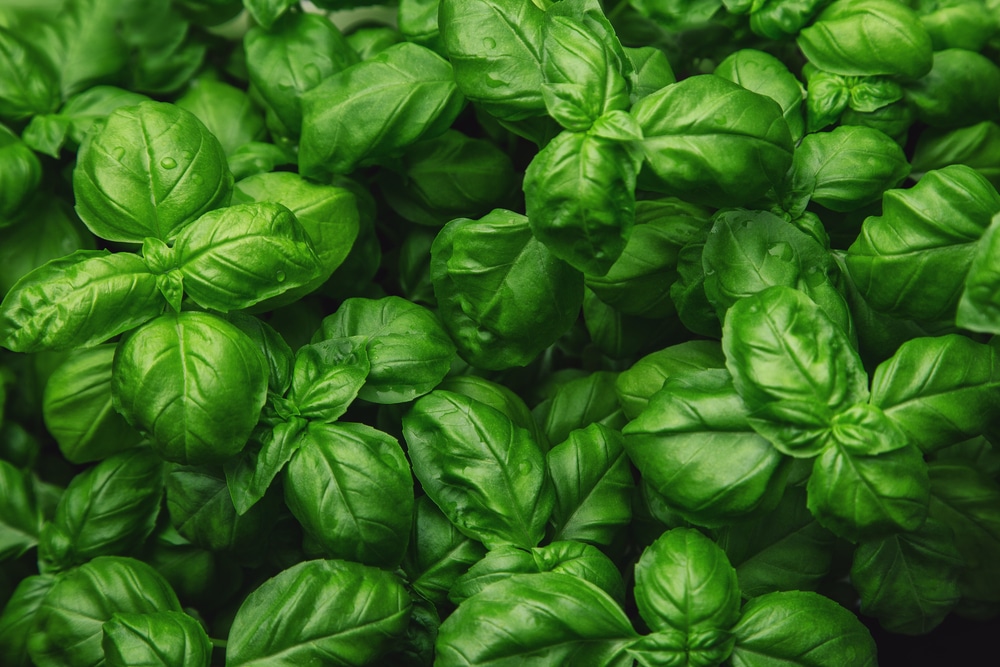
Basil, the fragrant queen of summer herbs, adds zest to everything from pesto to pizza. But what happens when your basil plant stubbornly refuses to grow, leaving you with more frustration than flavorful leaves? It's a common gardening woe, and fortunately, usually fixable. Let's dive into the possible reasons behind your basil's stunted growth and how to get it thriving again.
Why Is My Basil Not Growing? Understanding the Potential Issues
If you're scratching your head wondering, "Why is my basil not growing?", you're not alone. Several factors can stunt basil growth. To diagnose the problem, we need to consider everything from the soil it's planted in to the amount of sunlight it receives, watering habits, and even pesky pests. A bit of detective work can reveal the culprit and help you nurse your basil back to health.
Sunlight: The Fuel for Basil Growth
Basil craves sunlight. Think of it as its primary energy source. Without enough sunlight, your basil simply won't have the energy to photosynthesize and grow. Basil needs at least 6-8 hours of direct sunlight per day. If your basil is planted in a shady spot, that's likely the reason it's not flourishing.
Symptoms of Insufficient Sunlight
- Leggy growth: The stems become long and stretched as the plant reaches for more light.
- Pale leaves: The leaves may appear light green or even yellow.
- Slow growth: Overall growth is significantly stunted.
Solutions for Lack of Sunlight
- Relocate your basil: If possible, move your basil plant to a sunnier location.
- Use grow lights: If you're growing basil indoors, consider using grow lights to supplement natural sunlight. A simple fluorescent shop light can make a big difference.
- Prune surrounding plants: If other plants are casting a shadow on your basil, prune them back to allow more sunlight to reach your basil.
Watering: Finding the Perfect Balance
Watering is a delicate balance. Basil needs consistent moisture but hates sitting in soggy soil. Overwatering and underwatering can both lead to stunted growth and various other issues, so monitoring your watering habits are essential in why your basil is not growing.
Overwatering: A Common Mistake
Overwatering is a very common issue, especially for beginner gardeners. Soggy soil deprives the roots of oxygen, leading to root rot. Root rot, unsurprisingly, rots the roots and can kill the plant. Brown or yellowing leaves, combined with wilting even when the soil is moist, are telltale signs of overwatering.
Underwatering: The Opposite Extreme
On the other hand, underwatering can cause your basil to dry out and wilt. The leaves will become crispy and brown, and the plant's growth will be severely restricted. Test the soil moisture by sticking your finger about an inch deep. If it feels dry, it's time to water.
Watering Solutions
- Check the soil moisture: Before watering, always check the soil moisture level.
- Water deeply and less frequently: Water thoroughly when the soil is dry, allowing the water to reach the roots. Then, let the soil dry out slightly before watering again.
- Ensure proper drainage: Make sure your pot or garden bed has good drainage to prevent water from pooling.
- Consider using a soaker hose: For garden beds, a soaker hose can deliver water directly to the roots, minimizing water loss through evaporation.
Speaking of watering, having a reliable garden hose can make all the difference. If you're looking for a reliable way to water your garden, consider trying this 75-foot garden hose equipped with a 10-function nozzle. Its leak-proof metal connectors, kink-free design, and lightweight build are perfect for ensuring your plants get the water they need without the hassle. You can find this75-foot metal garden hose here:
Soil: The Foundation for Healthy Growth
Basil thrives in well-draining soil that is rich in organic matter. Poor soil quality can significantly hinder its growth. Compacted soil prevents proper root development, while nutrient-poor soil deprives the plant of essential elements.
Soil Problems and Solutions
- Compacted Soil: Break up compacted soil by adding compost or other organic matter. This will improve drainage and aeration.
- Poor Drainage: Amend the soil with perlite or sand to improve drainage.
- Nutrient-Poor Soil: Fertilize your basil with a balanced fertilizer or compost tea. You can also amend the soil with compost or aged manure.
- Soil p H: Basil prefers a slightly acidic to neutral soil p H (around 6.0 to
7.5). Test your soil p H and amend it accordingly. Lime can raise the p H, while sulfur can lower it.
A soil test kit can provide valuable insights into your soil's composition and nutrient levels. Knowing what your soil lacks will allow you to amend it effectively and create the ideal growing environment for your basil.
Pests and Diseases: Threats to Basil's Vitality
Basil is susceptible to various pests and diseases that can stunt its growth or even kill it. Common pests include aphids, spider mites, and whiteflies. Diseases such as fungal infections like downy mildew can also be problematic.
Identifying Pests and Diseases
Regularly inspect your basil plants for signs of pests or diseases. Look for:
- Aphids: Small, pear-shaped insects that cluster on stems and leaves.
- Spider Mites: Tiny, spider-like creatures that create webs on the plant.
- Whiteflies: Small, white, flying insects that feed on the underside of leaves.
- Downy Mildew: Yellow spots on the upper surface of leaves, with a grayish-purple fuzz on the underside.
Pest and Disease Control
- Handpicking: Remove pests by hand or with a strong spray of water.
- Insecticidal Soap: Use insecticidal soap to control aphids, spider mites, and whiteflies.
- Neem Oil: Neem oil is a natural insecticide and fungicide that can be effective against a variety of pests and diseases.
- Fungicides: Use a fungicide to control fungal diseases like downy mildew.
- Improve Air Circulation: Good air circulation can help prevent fungal diseases. Space your plants adequately and prune them to improve airflow.
Temperature: Basil's Comfort Zone
Basil is a warm-weather herb that thrives in temperatures between 60°F and 80°F (15°C and 27°C). Cold temperatures can damage the plant and stunt its growth. Frost is especially detrimental.
Temperature Issues and Solutions
- Cold Temperatures: Protect your basil from cold temperatures by covering it with a frost blanket or bringing it indoors.
- Hot Temperatures: In extremely hot weather, provide your basil with some shade during the hottest part of the day.
Nutrient Deficiency: Feeding Your Basil Properly
Basil, like all plants, needs certain nutrients to grow and thrive. A lack of essential nutrients can lead to stunted growth and other problems. This is another important piece of the puzzle why your basil may not be growing.
Identifying Nutrient Deficiencies
Different nutrient deficiencies manifest in different ways:
- Nitrogen Deficiency: Yellowing of older leaves.
- Phosphorus Deficiency: Stunted growth and purplish leaves.
- Potassium Deficiency: Yellowing or browning of leaf edges.
Fertilizing Your Basil
- Balanced Fertilizer: Use a balanced fertilizer (e.g., 10-10-10) to provide your basil with the nutrients it needs.
- Compost Tea: Compost tea is a natural and gentle fertilizer that can provide your basil with a boost of nutrients.
- Side-Dressing: Side-dress your basil with compost or aged manure to provide a slow-release source of nutrients.
Starting From Seed: Choosing the Right Method
How you start your basil plants can also impact their growth. Starting from seed can be rewarding, but it requires more care and attention than starting with established transplants.
Seed Starting Challenges
- Poor Germination: Basil seeds need warmth and moisture to germinate. If the seeds are not germinating, try providing more warmth and moisture.
- Damping Off: Damping off is a fungal disease that can kill seedlings. Prevent damping off by using sterile potting mix and providing good air circulation.
Starting From Transplants
Starting with established transplants can be easier and faster than starting from seed. Choose healthy, vigorous transplants from a reputable nursery.
Conclusion: Nurturing Your Basil to Success
Why is my basil not growing? As you've learned, it's rarely just one thing. By carefully considering the factors discussed above – sunlight, water, soil, pests, diseases, temperature, and nutrients – you can diagnose the problem and implement the right solutions. With a little attention and care, you can transform your struggling basil plant into a thriving source of fresh, flavorful leaves. Happy gardening!