Picture this: you’re making a delicious pesto, but you're out of fresh basil! A quick trip to the grocery store solves the problem, but what if you could extend the life of that store-bought basil and create an endless supply? The good news is, with a little know-how, you absolutely can! Growing Basil From Store-Bought: A Complete Guide So, can you really grow basil from store bought bunches? Absolutely! It's a fantastic way to save money, reduce waste, and enjoy fresh basil whenever you need it. However, the success of growing basil from store bought depends on a few key factors. This article will walk you through the entire process, from selecting the right basil to harvesting your homegrown leaves. We'll cover everything you need to know to successfully propagate basil from your grocery store haul. Selecting the Right Store-Bought Basil for Propagation Not all store-bought basil is created equal when it comes to propagation. To increase your ...
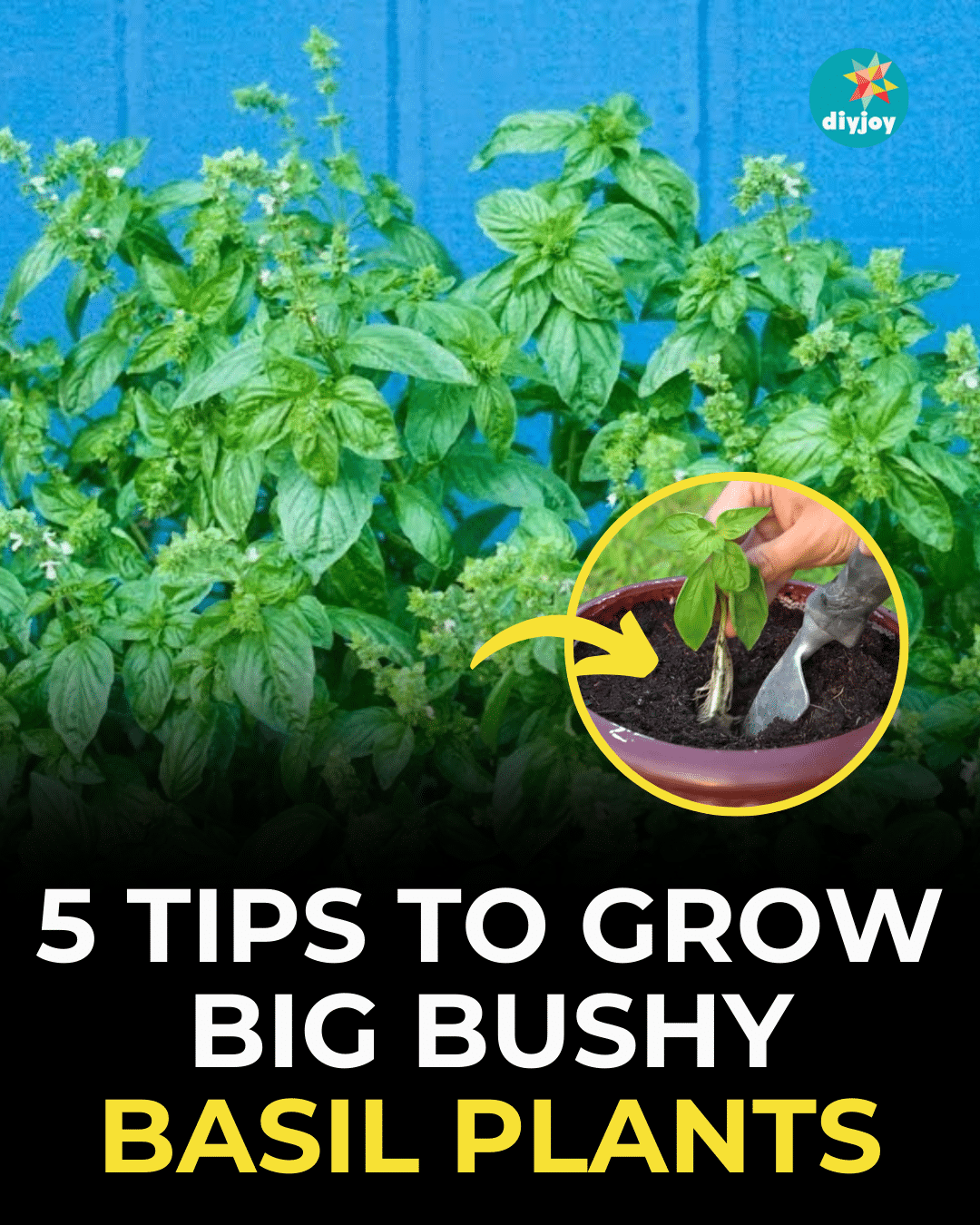
Have you ever dreamed of a basil plant overflowing with fragrant leaves, ready to transform your cooking from ordinary to extraordinary? A basil plant that looks more like a miniature bush than a spindly stem with a few scattered leaves? Well, you're not alone! Getting basil to grow bushy is a common goal for gardeners of all levels, and thankfully, it's more achievable than you might think. Let's dive into the secrets to unlocking your basil plant's full, bushy potential.
Unlocking Bushy Basil: A Comprehensive Guide
Growing a bushy basil plant isn't just about aesthetics; it's also about maximizing your yield. A fuller plant means more leaves for pesto, salads, and all your culinary creations. But how do you actuallygetthat coveted bushiness? It all comes down to understanding the plant's growth habits and providing the right care.
The Secret Weapon: Pinching and Pruning for a Bushy Basil Plant
The key to encouraging bushy growth in basil is a technique calledpinching orpruning. Basil, like many herbs, naturally wants to grow tall and produce flowers. Once it starts flowering, the plant's energy is diverted towards seed production, often at the expense of leaf growth and flavor. Pinching and pruning redirect that energy back into leaf production, resulting in a fuller, bushier plant.
How to Pinch Basil for Maximum Bushiness
Pinching is a simple yet powerful technique. Here’s how to do it:
- Identify the growing points: Look for the uppermost set of leaves on a stem. This is where new growth is emerging.
- Pinch or snip: Using your fingers or a pair of clean scissors or pruning shears, pinch or snip the stem just above a set of leaves. Make sure to cut above a node. The node is where the new leaves will grow from.
- When to start: Begin pinching your basil plant when it's about 6-8 inches tall.
- Frequency: Pinch regularly, every 1-2 weeks, to encourage continuous bushy growth.
Pinching not only promotes bushiness, but it also encourages the plant to produce more stems, leading to an even greater abundance of leaves. By regularly pinching or pruning basil, you are in effect, telling the plant to focus its energy on producing more leaves rather than going to flower. This cycle is very important to help your plant grow bushy, and maintain a constant cycle of bushy growth. Consider it like giving it a haircut - it's a good idea to continue clipping any leaves that are not looking as fresh as possible, and you want to keep up regular clipping to maintain shape and bushiness.
Understanding Basil's Growth Habit
Basil grows from a single stem and produces leaves in pairs. When you pinch off the top of the stem, the plant will respond by growing two new stems from the nodes where the leaves emerge. This is the key to creating a bushier plant! Each time you pinch, you're essentially doubling the number of stems, and therefore, the number of leaves your plant can produce.
Optimizing Growing Conditions for Bushy Basil
While pinching is crucial, providing the right growing conditions is equally important for achieving a truly bushy basil plant. Basil thrives in warmth, sunlight, and well-drained soil. These elements contribute to a happy, healthy plant that's more responsive to pinching and pruning.
Sunlight and Temperature
Basil loves sunlight! Aim for at least 6-8 hours of direct sunlight per day. Insufficient sunlight can lead to leggy growth, with long stems and sparse leaves. Basil also prefers warm temperatures, ideally between 65°F and 85°F. Avoid exposing your basil plant to frost or temperatures below 50°F.
If you're growing basil indoors, consider using a grow light to supplement natural sunlight, especially during the winter months. A grow light can provide the necessary light intensity to keep your basil plant thriving and producing those delicious, bushy leaves.
Soil and Watering
Well-drained soil is essential for healthy basil growth. Basil doesn't like to sit in soggy soil, as this can lead to root rot. Use a well-draining potting mix or amend your garden soil with compost and perlite to improve drainage.
Water your basil plant regularly, but avoid overwatering. Allow the top inch of soil to dry out between waterings. When you do water, water deeply, ensuring that the water reaches the roots. Avoid getting water on the leaves, as this can encourage fungal diseases. It may be beneficial to get a new Garden Hose 75 FT with 10-Function Nozzle. This leak-proof metal connector water hose is light, kink-free and wear-resistant. Get your very own upgraded garden hose at https://amzn.to/3Yv E0Bo.
Fertilizing Basil for Enhanced Growth
Basil is a relatively heavy feeder and benefits from regular fertilization. Use a balanced liquid fertilizer, diluted to half strength, every 2-3 weeks. Avoid over-fertilizing, as this can lead to excessive foliage growth at the expense of flavor. A good option is an organic fertilizer specifically formulated for herbs.
Troubleshooting Common Basil Problems
Even with the best care, you might encounter some challenges when growing basil. Here are some common problems and how to address them:
Yellowing Leaves
Yellowing leaves can be a sign of overwatering, underwatering, nutrient deficiency, or pests. Check the soil moisture level and adjust your watering accordingly. If the soil is dry, water deeply. If the soil is soggy, allow it to dry out before watering again. If you suspect a nutrient deficiency, try fertilizing with a balanced fertilizer.
Pests
Basil is susceptible to several pests, including aphids, spider mites, and whiteflies. Inspect your plants regularly for signs of infestation. If you find pests, treat them with insecticidal soap or neem oil. These are generally safe for use on edible plants.
Diseases
Fungal diseases, such as powdery mildew and downy mildew, can also affect basil. These diseases are more common in humid conditions. To prevent fungal diseases, ensure good air circulation around your plants and avoid getting water on the leaves. If you see signs of disease, remove the affected leaves and treat the plant with a fungicide.
Beyond the Basics: Advanced Tips for Bushy Basil
Ready to take your basil-growing game to the next level? Here are some advanced tips for maximizing bushiness and flavor:
Succession Planting
Succession planting involves planting basil seeds every few weeks to ensure a continuous supply of fresh leaves throughout the growing season. This is especially useful if you're using a lot of basil or if you live in an area with a short growing season.
Companion Planting
Companion planting involves planting basil alongside other plants that benefit from its presence. Basil is a good companion plant for tomatoes, peppers, and eggplant, as it can help repel pests and improve their flavor. Marigolds are also a good companion plant for basil, as they help deter nematodes.
Experiment with Different Varieties
There are many different varieties of basil, each with its own unique flavor and growth habit. Some varieties, such as 'Genovese' and 'Italian Large Leaf,' are known for their large leaves and robust flavor. Other varieties, such as 'Thai Basil' and 'Lemon Basil,' have a more distinct flavor. Experiment with different varieties to find the ones that you like best.
Conclusion: Your Journey to Bushy Basil Starts Now
Getting basil to grow bushy is a rewarding endeavor that will not only beautify your garden but also enhance your culinary creations. By understanding the principles of pinching, providing optimal growing conditions, and troubleshooting common problems, you can unlock your basil plant's full potential and enjoy a bountiful harvest of fragrant leaves all season long. So, grab your scissors, find a sunny spot, and get ready to embark on your journey to bushy basil bliss!