Picture this: you’re making a delicious pesto, but you're out of fresh basil! A quick trip to the grocery store solves the problem, but what if you could extend the life of that store-bought basil and create an endless supply? The good news is, with a little know-how, you absolutely can! Growing Basil From Store-Bought: A Complete Guide So, can you really grow basil from store bought bunches? Absolutely! It's a fantastic way to save money, reduce waste, and enjoy fresh basil whenever you need it. However, the success of growing basil from store bought depends on a few key factors. This article will walk you through the entire process, from selecting the right basil to harvesting your homegrown leaves. We'll cover everything you need to know to successfully propagate basil from your grocery store haul. Selecting the Right Store-Bought Basil for Propagation Not all store-bought basil is created equal when it comes to propagation. To increase your ...
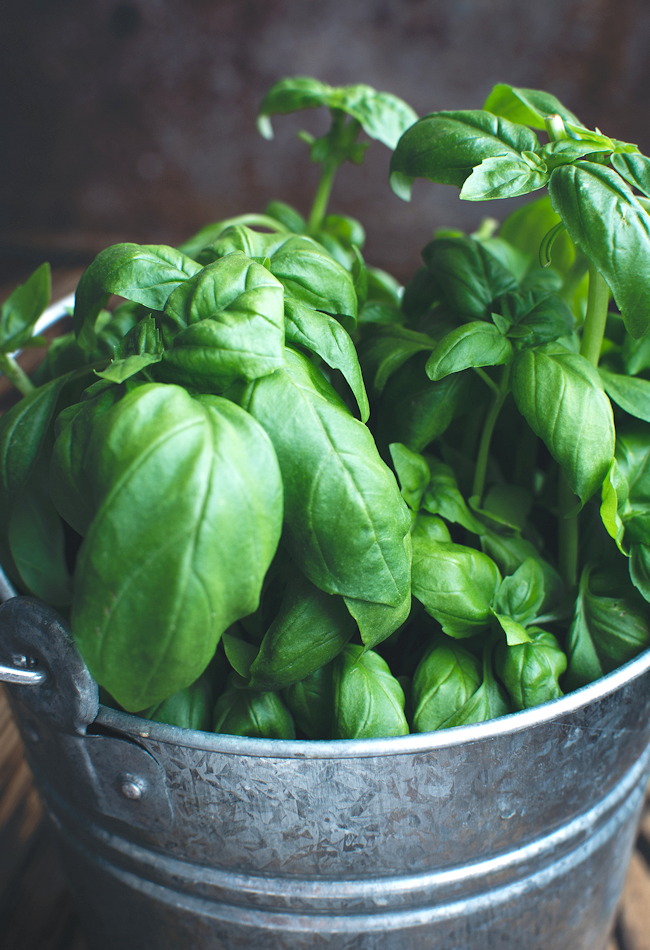
Imagine the aroma of fresh basil wafting through your home, ready to be snipped and sprinkled over your favorite dishes. It's a culinary dream, and surprisingly, it's a dream that can easily become a reality, even if you don't have a sprawling outdoor garden. The question is: can basil really thrive inside? Let's dive in and discover the secrets to growing beautiful, flavorful basil indoors.
Bringing the Garden Indoors: Can Basil Grow Inside?
The answer is a resoundingyes! You absolutelycangrow basil inside, and with a few key considerations, you can enjoy a continuous supply of this fragrant herb year-round. Growing basil indoors offers numerous advantages, including protection from harsh weather, pests, and the ability to control the growing environment. This makes it a practical option for those with limited outdoor space or who live in climates with short growing seasons. Let's explore the details on how to successfully cultivate basil indoors, ensuring a bountiful harvest of fresh leaves.
Understanding Basil's Needs: Indoor Basil Growing Essentials
Basil, like any plant, has specific requirements for optimal growth. Understanding these needs is crucial for successfully growing basil inside. Let's break down the essentials:
Light: The Key to Indoor Basil Success
Light is perhaps the most critical factor when growing basil indoors. Basil thrives inbright, direct sunlight, requiring at least 6-8 hours of it per day. A south-facing window is often the ideal location, providing the most intense sunlight. However, not all homes have access to such windows. If your basil isn't getting enough natural light, you'll notice signs like leggy growth (long, stretched stems with sparse leaves) and pale foliage.
To supplement natural light, consider using grow lights. Fluorescent grow lights or LED grow lights are excellent options. Position the lights a few inches above the basil plants, adjusting the height as the plants grow. A timer can be used to ensure consistent light exposure, typically 14-16 hours per day. Consistent and sufficient light encourages strong growth and flavorful leaves. Remember, adequate light is the cornerstone of a successful indoor basil garden.
Soil:Choosing the Right Medium for Indoor Basil
The right soil is essential for providing your indoor basil with the nutrients it needs to flourish. Basil prefers a well-draining potting mix that retains moisture without becoming waterlogged. A good quality commercial potting mix, specifically formulated for herbs or vegetables, is generally a safe bet. Avoid using garden soil, as it can be too dense and may harbor pests or diseases. To improve drainage, you can amend the potting mix with perlite or vermiculite.
A slightly acidic to neutral p H (around 6.0-7.5) is ideal for basil. The potting mix should also be rich in organic matter, providing a slow-release source of nutrients. Consider incorporating compost or well-rotted manure into the mix before planting. Choose a potting mix that supports healthy root development and prevents nutrient deficiencies, ensuring your basil plant thrives indoors.
Watering: Balancing Moisture for Healthy Indoor Basil
Proper watering is crucial for indoor basil plants. Overwatering can lead to root rot, while underwatering can cause wilting and stunted growth. The key is to find the right balance. Water your basil when the top inch of soil feels dry to the touch. Use a watering can with a long spout to water the soil directly, avoiding wetting the leaves, which can promote fungal diseases. Water deeply until excess water drains out of the pot's drainage holes.
Frequency of watering will depend on factors such as the size of the pot, the type of potting mix, and the ambient temperature and humidity. During warmer months or in drier environments, you may need to water more frequently. Check the soil moisture regularly and adjust your watering schedule accordingly. Ensure your pots have adequate drainage holes to prevent water from accumulating at the bottom. A good rule of thumb is to water thoroughly but allow the soil to dry slightly between waterings.
Temperature and Humidity: Creating the Ideal Indoor Basil Environment
Basil thrives in warm temperatures, ideally between 65°F and 80°F (18°C and 27°C). Avoid placing your basil plants near drafts or cold windows, as they are sensitive to temperature fluctuations. Humidity can also play a role in basil's health. While basil can tolerate average indoor humidity levels, it prefers slightly higher humidity. You can increase humidity around your plants by misting them with water, placing them near a humidifier, or grouping them together to create a microclimate.
Avoid sudden temperature changes, as they can stress the plants. Keep the plants away from heating vents or air conditioning units that may cause drafts or extreme temperature fluctuations. Maintaining a consistent and comfortable environment will promote healthy growth and prevent stress-related issues in your indoor basil plants.
From Seed to Snipping: How to Grow Basil Indoors
There are two primary ways to start growing basil indoors: from seed or from cuttings. Both methods have their advantages, and the best choice depends on your preference and availability.
Starting Basil from Seed: A Patient Gardener's Approach
Starting basil from seed is a rewarding experience, allowing you to witness the entire life cycle of the plant. Here's how to do it:
- Choose Your Seeds: Select high-quality basil seeds from a reputable source. Consider different varieties, such as Genovese (classic Italian basil), Thai basil, or Lemon basil, to add variety to your indoor herb garden.
- Prepare Your Seed Starting Mix: Use a sterile seed starting mix or a fine-textured potting mix. This will provide good drainage and prevent damping off, a fungal disease that can kill seedlings.
- Sow the Seeds: Sow the seeds about ¼ inch deep in small pots or seed trays. Gently water the soil and cover the containers with a clear plastic lid or plastic wrap to retain moisture.
- Provide Warmth and Light: Place the containers in a warm location, ideally around 70°F (21°C), and provide ample light. A heat mat can help speed up germination. Once the seeds germinate (typically within 5-10 days), remove the plastic cover and place the seedlings under grow lights or in a sunny window.
- Transplant Seedlings: Once the seedlings have developed several sets of true leaves (the leaves that appear after the initial seed leaves), transplant them into larger pots filled with well-draining potting mix.
Propagating Basil from Cuttings: A Quick Start to Indoor Basil
Propagating basil from cuttings is a faster way to obtain new plants. Here's how it's done:
- Select a Healthy Stem: Choose a healthy basil stem that is about 4-6 inches long. Remove the lower leaves, leaving only the top few sets of leaves.
- Root in Water: Place the cutting in a glass of water, ensuring that the lower nodes (where the leaves were removed) are submerged. Place the glass in a bright, indirect light location.
- Wait for Roots to Develop: Within a week or two, roots will begin to emerge from the nodes. Change the water every few days to keep it fresh.
- Plant in Potting Mix: Once the roots are about an inch long, carefully transplant the cutting into a pot filled with well-draining potting mix. Water gently and keep the soil consistently moist until the plant is established.
Caring for Your Indoor Basil Plants: Maintenance and Harvesting
Once your basil plants are established, regular care is essential for maintaining their health and productivity.
Fertilizing: Feeding Your Indoor Basil for Optimal Growth
Basil is a relatively light feeder, but it benefits from regular fertilization, especially when grown indoors. Use a balanced liquid fertilizer diluted to half strength every 2-4 weeks during the growing season (spring and summer). Avoid over-fertilizing, as this can lead to leggy growth and a decline in flavor. Look for fertilizers specifically formulated for herbs or vegetables. A slow-release fertilizer can also be incorporated into the potting mix at the time of planting.
Pruning and Pinching: Encouraging Bushy Growth and Preventing Flowering
Pruning and pinching are essential techniques for encouraging bushy growth and preventing your basil plants from flowering. When basil flowers, it signals the end of its vegetative growth cycle, and the leaves become less flavorful. To prevent flowering, pinch off the flower buds as soon as they appear. Pruning involves removing larger stems or leaves to shape the plant and promote new growth. When pruning, cut just above a leaf node (the point where leaves emerge from the stem), as this is where new growth will develop. Regular pruning and pinching will result in a fuller, more productive basil plant.
Harvesting: Enjoying Your Fresh Indoor Basil
Harvesting basil is a simple and rewarding process. Once your basil plants are about 6-8 inches tall, you can begin harvesting leaves. Pinch or cut off the top sets of leaves, leaving at least a few sets of leaves on the stem. This will encourage the plant to produce more side shoots and become bushier. Avoid harvesting more than one-third of the plant at a time, as this can stress the plant and slow down growth. Harvest your basil regularly to encourage continuous production and maintain its flavor. Freshly harvested basil is best used immediately, but it can also be stored in the refrigerator for a few days.
Troubleshooting Common Issues with Indoor Basil
Even with the best care, indoor basil plants can sometimes encounter problems. Here are some common issues and how to address them:
- Yellowing Leaves: Yellowing leaves can be caused by overwatering, underwatering, nutrient deficiencies, or lack of light. Assess your watering practices, fertilize if necessary, and ensure the plant is receiving adequate light.
- Leggy Growth: Leggy growth (long, stretched stems with sparse leaves) is typically a sign of insufficient light. Provide more light, either through a brighter window or grow lights.
- Pests: Common indoor pests that can affect basil include aphids, spider mites, and whiteflies. Inspect your plants regularly for signs of infestation. Treat infestations with insecticidal soap or neem oil.
- Fungal Diseases: Fungal diseases, such as powdery mildew, can occur in humid conditions. Improve air circulation around the plants and avoid wetting the leaves when watering.
By carefully monitoring your indoor basil plants and addressing any issues promptly, you can ensure their continued health and productivity.
Imagine enjoying the delicious flavor of your home-grown basil in countless recipes. From pesto to pasta dishes, the possibilities are endless! Speaking of gardening tools, I've found that a good expandable garden hose can make all the difference when tending to my plants. This Garden Hose, an Expandable Water Hose, could be your perfect choice; it stretches to 75 FT and comes with a 10-Function Nozzle and leak-proof metal connectors! The best part is, it's kink-free and lighter than traditional hoses, making watering a breeze. You can get one here: https://amzn.to/3Yv E0Bo.
Conclusion: Enjoying Your Indoor Basil Garden
Growing basil indoors is a rewarding and accessible way to enjoy fresh herbs year-round. By providing the right light, soil, water, and care, you can cultivate a thriving indoor basil garden and elevate your culinary creations. Whether you're a seasoned gardener or a beginner, the joy of harvesting your own fresh basil is an experience worth pursuing. So, embrace the possibilities and bring the garden indoors!