Picture this: you’re making a delicious pesto, but you're out of fresh basil! A quick trip to the grocery store solves the problem, but what if you could extend the life of that store-bought basil and create an endless supply? The good news is, with a little know-how, you absolutely can! Growing Basil From Store-Bought: A Complete Guide So, can you really grow basil from store bought bunches? Absolutely! It's a fantastic way to save money, reduce waste, and enjoy fresh basil whenever you need it. However, the success of growing basil from store bought depends on a few key factors. This article will walk you through the entire process, from selecting the right basil to harvesting your homegrown leaves. We'll cover everything you need to know to successfully propagate basil from your grocery store haul. Selecting the Right Store-Bought Basil for Propagation Not all store-bought basil is created equal when it comes to propagation. To increase your ...
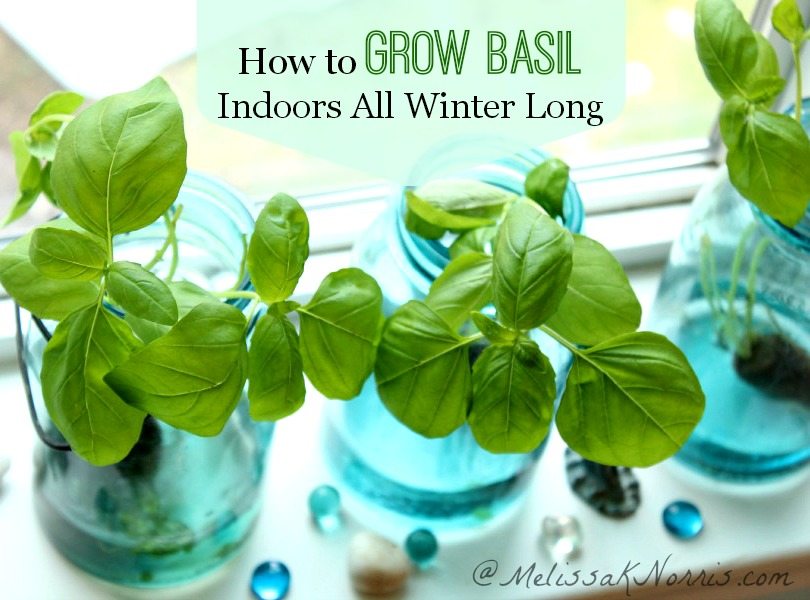
The scent of fresh basil, wafting through the kitchen, is a memory many associate with sun-drenched summer days. But what if you could bring that vibrant aroma and flavor indoors, even during the bleakest winter months? Growing basil indoors during winter is not only possible, but it can also be a surprisingly rewarding experience. Let's dive in!
Why Grow Basil Indoors During Winter?
Let's face it, winter can be tough on gardeners. The outdoor garden is dormant, and the craving for fresh herbs and vegetables becomes intense. That's where growing basil indoors during winter steps in as a wonderful solution. Here's why you should consider it:
Fresh Herbs Year-Round: Imagine adding fresh basil to your pasta sauce in January or garnishing a winter salad with fragrant leaves. Beating the Winter Blues: Nurturing a plant and watching it thrive can be incredibly therapeutic during the short, dark days of winter. Cost Savings: Continuously buying basil from the grocery store can add up. Growing your own is a more economical option, especially if you're a regular basil user. Pest Control: Indoor gardening allows for better control over pests and diseases.
Choosing the Right Basil Variety to Grow Basil Indoors During Winter
Not all basil varieties are created equal when it comes to indoor growing. Some are more compact and better suited for containers, while others require more space and sunlight. Consider these options:
Genovese Basil: This is the classic Italian basil, known for its large, fragrant leaves and robust flavor. It's a popular choice for pesto and other culinary uses. Genovese basil is generally a good choice, but can be a bit more demanding in terms of light. Dwarf Basil: As the name suggests, dwarf basil varieties, such as 'Spicy Globe' or 'Greek Column', are compact and bushy, making them perfect for smaller indoor spaces. They still offer a good basil flavor, albeit slightly milder than Genovese. Lemon Basil: This basil variety has a distinct citrusy aroma and flavor, adding a unique twist to your dishes. It is relatively easy to grow indoors. Thai Basil: With its anise-like flavor, Thai basil is a great addition to Southeast Asian dishes. It tends to be more heat-tolerant than other varieties and can thrive indoors with sufficient light.
Essential Supplies for Growing Basil Indoors During Winter
Before you embark on your indoor basil-growing adventure, gather the necessary supplies. Having everything on hand will ensure a smooth and successful start. Here's a checklist:
Pot: Choose a pot that is at least 6 inches in diameter to provide enough space for the basil's roots to grow. Make sure the pot has drainage holes to prevent waterlogging. Potting Mix: Use a high-quality potting mix that is well-draining and provides adequate nutrients for your basil plant. Avoid using garden soil, as it can compact and hinder drainage. A mix of peat moss, perlite, and vermiculite is a good option. Grow Lights: Adequate light is crucial for growing basil indoors during winter, when natural light is limited. Invest in a grow light, such as a fluorescent or LED grow light, to provide the basil plant with the light it needs to thrive. Watering Can: A watering can with a long, narrow spout is ideal for watering your basil plant without disturbing the soil. Fertilizer: Use a balanced liquid fertilizer to feed your basil plant every two to four weeks during the growing season. Seeds or Seedlings: You can start basil from seeds or purchase seedlings from a nursery. Starting from seeds is more economical, but it takes longer to harvest. Seedlings offer a quicker start.
If you need to water your basil, you might also want a good way to ensure the water actually gets to your plants! Consider using a reliablegarden hose 75 FT with 10-Function Nozzle, Leak-proof Metal Connector Water Hose, No Knots, Kink-Free, Lighter, Anti-Pets, Wear-Resistant, 3/4 GHT, Metal Hose for Garden, Yard, Outdoor, and you can find one here:https://amzn.to/3Yv E0Bo. A durable garden water delivery system helps you keep your plants and yard well hydrated.
The Step-by-Step Guide: Planting Basil Indoors During Winter
Now that you have all the necessary supplies, let's get planting! Follow these steps for planting basil indoors during winter:
1.Planting from Seeds:
Fill the pot with potting mix, leaving about an inch of space at the top.
Sprinkle the basil seeds evenly over the surface of the soil.
Cover the seeds with a thin layer of potting mix.
Gently water the soil to moisten it.
Cover the pot with a plastic bag or humidity dome to create a humid environment.
Place the pot in a warm location, such as near a sunny window or under a grow light.
Once the seedlings emerge (usually within 7-14 days), remove the plastic bag or humidity dome.
Thin the seedlings, leaving the strongest one or two plants per pot.
2.Planting Seedlings:
Carefully remove the basil seedling from its original container.
Gently loosen the roots of the seedling.
Dig a hole in the potting mix that is large enough to accommodate the root ball of the seedling.
Place the seedling in the hole and fill it with potting mix, gently firming the soil around the base of the plant.
Water the soil thoroughly.
Providing Optimal Growing Conditions for Basil Indoors During Winter
Once your basil is planted, it's crucial to provide the right growing conditions to ensure its success. Here's what you need to focus on:
Light: Basil needs at least 6-8 hours of direct sunlight per day. During winter, this is often not possible, so you'll need to supplement with grow lights. Place the grow light about 6-12 inches above the plant. You might consider using a timer to ensure consistent light exposure. LED grow lights are generally more energy-efficient and produce less heat than fluorescent lights. Watering: Water your basil plant when the top inch of soil feels dry to the touch. Avoid overwatering, as this can lead to root rot. Water thoroughly until excess water drains out of the drainage holes. Empty the saucer beneath the pot to prevent the plant from sitting in water. Temperature: Basil prefers a warm temperature range of 65-80°F (18-27°C). Avoid placing the plant near drafts or cold windows. Humidity: Basil prefers moderate humidity levels. If the air in your home is dry, you can increase humidity by misting the plant regularly, placing a tray of water near the plant, or using a humidifier. Fertilizing: Feed your basil plant every two to four weeks with a balanced liquid fertilizer. Dilute the fertilizer according to the package instructions. Pruning: Prune your basil plant regularly to encourage bushier growth. Pinch off the top set of leaves from each stem to promote branching. You can also remove any flowers that appear, as flowering can reduce the plant's overall flavor.
Troubleshooting Common Problems
Even with the best care, you may encounter some challenges when growing basil indoors during winter. Here are some common problems and how to address them:
Yellowing Leaves: This can be a sign of overwatering, underwatering, or nutrient deficiency. Check the soil moisture and adjust your watering accordingly. If the problem persists, fertilize the plant with a balanced liquid fertilizer. Leggy Growth: This is often caused by insufficient light. Move the plant closer to a light source or supplement with grow lights. Pests: Common indoor pests that can affect basil include aphids, spider mites, and whiteflies. Inspect your plant regularly for signs of infestation. If you find pests, treat the plant with insecticidal soap or neem oil. Root Rot: This is caused by overwatering and poor drainage. Make sure your pot has drainage holes and avoid overwatering. If you suspect root rot, repot the plant in fresh potting mix.
Harvesting Your Indoor Basil
You can start harvesting basil leaves once the plant has reached a height of about 6 inches. To harvest, simply pinch or cut off the leaves as needed. Start by harvesting the top leaves, as this will encourage the plant to grow bushier. Avoid removing more than one-third of the plant's leaves at a time, as this can stress the plant. Regular harvesting will also encourage continuous growth.
Enjoying Your Winter Harvest of Basil
Once you've harvested your fresh basil, the possibilities are endless! Here are some ideas:
Pesto: Make a classic pesto sauce by blending basil leaves with pine nuts, garlic, Parmesan cheese, and olive oil. Salads: Add fresh basil leaves to salads for a burst of flavor. Pasta Dishes: Use basil to garnish pasta dishes, such as spaghetti, lasagna, and ravioli. Soups: Add chopped basil to soups, such as tomato soup or minestrone. Sandwiches: Add basil leaves to sandwiches for a fresh, aromatic touch. Infused Oils: Infuse olive oil with basil leaves for a flavorful cooking oil.
Growing basil indoors during winter can be a fun and rewarding experience. With a little care and attention, you can enjoy fresh, flavorful basil all year round. So, embrace the challenge and bring the taste of summer indoors!