Picture this: you’re making a delicious pesto, but you're out of fresh basil! A quick trip to the grocery store solves the problem, but what if you could extend the life of that store-bought basil and create an endless supply? The good news is, with a little know-how, you absolutely can! Growing Basil From Store-Bought: A Complete Guide So, can you really grow basil from store bought bunches? Absolutely! It's a fantastic way to save money, reduce waste, and enjoy fresh basil whenever you need it. However, the success of growing basil from store bought depends on a few key factors. This article will walk you through the entire process, from selecting the right basil to harvesting your homegrown leaves. We'll cover everything you need to know to successfully propagate basil from your grocery store haul. Selecting the Right Store-Bought Basil for Propagation Not all store-bought basil is created equal when it comes to propagation. To increase your ...
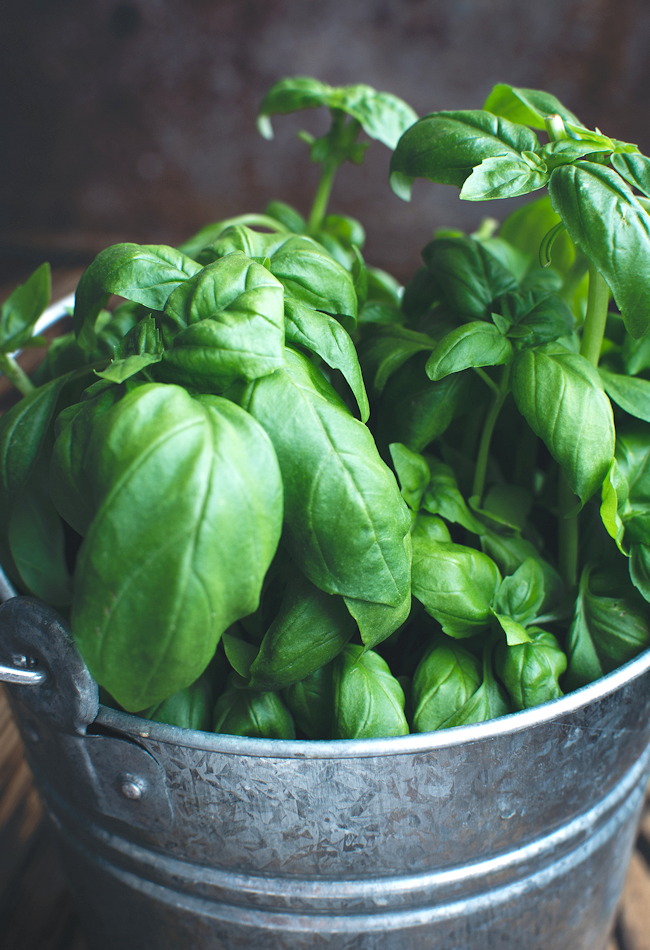
Imagine the aroma of fresh basil wafting through your home, ready to be plucked for a Caprese salad or a fragrant pesto. Growing your own basil isn't just a culinary delight; it's a rewarding experience that connects you with nature, even indoors. And the best part? It’s easier than you might think. Let’s dive into the simple steps of growing basil indoors from seed and enjoy a constant supply of this beloved herb.
How to Grow Basil Indoors From Seed: A Comprehensive Guide
Why Grow Basil Indoors?
Growing basil indoors offers a multitude of advantages. Firstly, you have control over the growing environment. This means you can provide the ideal conditions – temperature, light, and humidity – regardless of the outdoor weather. This is especially beneficial for those living in climates with short growing seasons or extreme temperatures. Secondly, you have access to fresh basil year-round. No more trips to the store for subpar, expensive herbs. Instead, you can harvest fragrant leaves whenever you need them. Thirdly, indoor basil is protected from pests and diseases that often plague outdoor plants. Finally, growing basil from seed is significantly cheaper than buying established plants regularly. It allows you to cultivate different basil varieties to suit your culinary preferences.
Choosing the Right Basil Variety for Indoor Growing
While almost any basil variety can be grown indoors, some perform better than others. Compact varieties are generally a good choice as they don't require as much space. Here are a few popular options:
- Sweet Basil: The classic, go-to basil with a strong, sweet flavor. Ideal for pesto and Italian dishes. It’s also one of the easiest to germinate and grow indoors.
- Dwarf Basil (Bush Basil): A compact variety that stays relatively small, making it perfect for windowsills or small indoor gardens. It has a slightly spicier flavor than sweet basil.
- Lemon Basil: Offers a refreshing citrusy aroma and flavor, making it a great addition to salads, teas, and Asian-inspired dishes.
- Thai Basil: Features a licorice-like flavor and aroma, ideal for Southeast Asian cuisine. It typically has purple stems and pointed leaves.
Understanding Basil Varieties
The key to choosing the right basil is understanding your needs. Sweet basil is a versatile choice for most cooks, but if you are looking for something unique, try Thai or Lemon basil. Consider the size of the mature plant. Larger varieties might require more space and larger pots. Look for seeds from reputable suppliers to ensure good germination rates and healthy plants. You may find yourself needing a reliablegarden hose 75 FT with 10-Function Nozzle, or what some call a metal connector water hose, to assist with your gardening needs. You can find it here: https://amzn.to/3Yv E0Bo.
Essential Supplies for Growing Basil Indoors
Before you start sowing seeds, gather the necessary supplies. Having everything ready will ensure a smooth and successful growing experience.
- Basil Seeds: Choose a variety suited to indoor growing and purchase seeds from a reputable supplier.
- Seed Starting Tray or Small Pots: These provide a controlled environment for germination.
- Seed Starting Mix: A light and airy mix that promotes good drainage and root development. Avoid using regular potting soil for starting seeds, as it can be too heavy.
- Potting Soil: Once the seedlings have developed a few true leaves, you'll need potting soil for transplanting into larger containers. A well-draining mix is essential.
- Containers: Choose pots that are at least 6 inches in diameter to accommodate the basil's root system. Make sure they have drainage holes.
- Grow Lights (Optional but Recommended): Basil requires ample light, especially during the winter months. Grow lights supplement natural light and ensure healthy growth.
- Watering Can or Spray Bottle: For gentle watering, avoiding overwatering, which can lead to fungal diseases.
- Fertilizer: A balanced liquid fertilizer to provide essential nutrients.
Step-by-Step Guide: How to Grow Basil Indoors From Seed
Now, let’s get down to the nitty-gritty of growing basil from seed. Follow these steps for a thriving indoor basil garden.
Step 1: Sowing the Seeds
Begin by filling your seed starting tray or small pots with seed starting mix. Moisten the mix thoroughly, ensuring it is damp but not soggy. Sow 2-3 basil seeds per cell or pot, planting them about ¼ inch deep. Gently cover the seeds with more mix and lightly mist the surface with water. Cover the tray or pots with a plastic dome or plastic wrap to create a humid environment. This helps with germination.
Step 2: Germination and Early Care
Place the seed tray or pots in a warm location (around 70-75°F or 21-24°C). Basil seeds typically germinate within 5-10 days. Once the seedlings emerge, remove the plastic cover to allow for better air circulation. Place the seedlings under grow lights or in a location with bright, indirect sunlight. Rotate the seedlings regularly to prevent them from leaning towards the light source. Keep the soil consistently moist, but avoid overwatering. Once the seedlings have developed their first set of true leaves (the second set of leaves after the initial seed leaves), you can begin fertilizing them with a diluted liquid fertilizer every two weeks.
Step 3: Transplanting Seedlings
When the seedlings have developed 2-3 sets of true leaves and are a few inches tall, it's time to transplant them into larger containers. Choose pots that are at least 6 inches in diameter and fill them with well-draining potting soil. Gently remove the seedlings from their starting containers, being careful not to damage the roots. Plant each seedling in its own pot, burying it up to the first set of leaves. Water thoroughly after transplanting and place the pots in a location with bright, indirect sunlight or under grow lights.
Step 4: Providing Optimal Growing Conditions
Basil thrives in warm temperatures (65-80°F or 18-27°C) and requires at least 6-8 hours of sunlight per day. If you don't have enough natural light, use grow lights to supplement. Water the basil regularly, allowing the top inch of soil to dry out between waterings. Avoid overwatering, as this can lead to root rot. Fertilize every 2-3 weeks with a balanced liquid fertilizer, following the instructions on the product label. Pinch off the flower buds as they appear to encourage bushier growth and prevent the plant from going to seed. Harvesting basil leaves regularly also promotes new growth.
Maintaining Your Indoor Basil Plant
Maintaining a healthy indoor basil plant involves several key practices. Regular watering is crucial, but avoid letting the soil become waterlogged. Check the soil moisture regularly by sticking your finger about an inch deep. If it feels dry, it's time to water. Good air circulation is also essential to prevent fungal diseases. If your indoor environment is humid, consider using a small fan to improve airflow. Regularly inspect your plants for pests such as aphids or spider mites. If you spot any pests, treat them with insecticidal soap or neem oil. Re-potting may be necessary as the plant grows, choose a pot that is two inches larger in diameter when the root system starts circling the inside of the existing pot.
Troubleshooting Common Problems When Growing Basil From Seed
Even with the best care, you may encounter some common problems when growing basil indoors. Here’s how to troubleshoot them:
- Yellowing Leaves: Can be caused by overwatering, underwatering, nutrient deficiencies, or lack of light. Adjust your watering schedule, fertilize regularly, and ensure the plant is receiving enough light.
- Leggy Growth: Indicates insufficient light. Provide more light, either by moving the plant to a sunnier location or using grow lights.
- Wilting: Can be caused by underwatering or root rot. Check the soil moisture and adjust your watering accordingly. If root rot is suspected, re-pot the plant in fresh soil.
- Pests: Aphids and spider mites are common pests that can infest basil plants. Treat them with insecticidal soap or neem oil.
Harvesting and Using Your Homegrown Basil
You can start harvesting basil leaves once the plant is about 6-8 inches tall. To harvest, simply pinch off the leaves at the stem, just above a set of leaves. This encourages the plant to branch out and produce more leaves. Harvest regularly to keep the plant bushy and prevent it from going to seed. Fresh basil leaves are best used immediately, but they can also be stored in the refrigerator for a few days. To preserve basil for longer periods, you can dry it or freeze it in ice cube trays with olive oil. Use your fresh basil in pesto, salads, pasta dishes, soups, and sauces. The possibilities are endless!
Conclusion: Enjoying Your Indoor Basil Garden
Growing basil indoors from seed is a rewarding experience that allows you to enjoy fresh, flavorful herbs year-round. By following these simple steps and providing the right growing conditions, you can cultivate a thriving indoor basil garden that will enhance your culinary creations. So, get those seeds started and prepare to savor the taste of homegrown basil!