Picture this: you’re making a delicious pesto, but you're out of fresh basil! A quick trip to the grocery store solves the problem, but what if you could extend the life of that store-bought basil and create an endless supply? The good news is, with a little know-how, you absolutely can! Growing Basil From Store-Bought: A Complete Guide So, can you really grow basil from store bought bunches? Absolutely! It's a fantastic way to save money, reduce waste, and enjoy fresh basil whenever you need it. However, the success of growing basil from store bought depends on a few key factors. This article will walk you through the entire process, from selecting the right basil to harvesting your homegrown leaves. We'll cover everything you need to know to successfully propagate basil from your grocery store haul. Selecting the Right Store-Bought Basil for Propagation Not all store-bought basil is created equal when it comes to propagation. To increase your ...
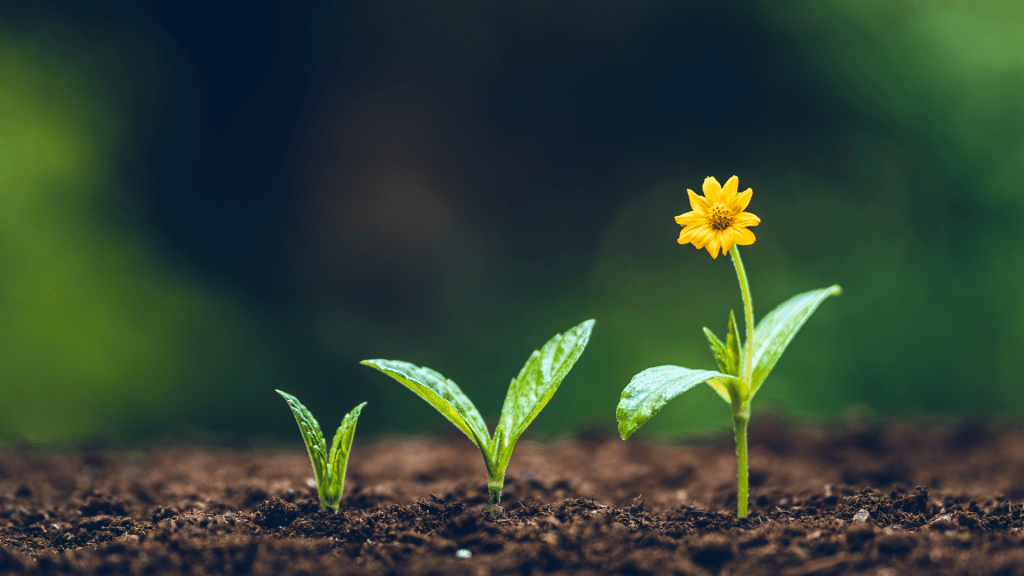
There's nothing quite like the aroma of fresh basil wafting through the air on a warm summer day. And the best part? Growing your own basil in a garden bed is surprisingly easy and rewarding! From pesto to pizza toppings, the possibilities are endless when you have a readily available supply of this fragrant herb right outside your door. Let's dive into the wonderful world of basil cultivation!
Growing Basil Successfully in Your Garden Bed
Basil, scientifically known as Ocimum basilicum, is a tender annual herb that thrives in warm conditions. Successfully growing basil in a garden bed involves understanding its needs and providing the right environment. This includes everything from soil preparation and sunlight to watering and pest control. Whether you're a seasoned gardener or just starting, this guide will equip you with the knowledge to cultivate a thriving basil patch.
Choosing the Right Basil Variety for Your Garden
Basil isn't just basil; there's a fascinating array of varieties, each with unique flavors and appearances. Selecting the right variety for your garden bed depends on your culinary preferences and regional climate. Here's a glimpse into some popular options:
- Sweet Basil: The classic choice, known for its sweet and slightly peppery flavor, perfect for Italian dishes.
- Genovese Basil: A type of sweet basil highly favored for making authentic pesto, boasting large, flavorful leaves.
- Thai Basil: Offers a distinct anise or licorice flavor, ideal for Southeast Asian cuisine. It typically has purple stems and slightly narrower leaves.
- Lemon Basil: A refreshing citrusy aroma and taste, great for salads, teas, and marinades.
- Purple Basil: Adds a visual appeal with its deep purple leaves and a slightly spicy flavor, perfect for salads and garnishes.
Consider your culinary needs and the climate in your area. Some basil varieties, like Thai basil, are more heat-tolerant, while others, like sweet basil, may require some afternoon shade in scorching climates. Visiting your local nursery is a great way to see what varieties thrive locally.
Preparing Your Garden Bed for Basil
Proper soil preparation is crucial for healthy basil growth. Basil thrives in well-draining, fertile soil with a slightly acidic to neutral p H (around 6.0 to
7.5). Here's how to prepare your garden bed:
- Choose a Sunny Location: Basil needs at least 6-8 hours of direct sunlight per day. Select a location in your garden bed that receives ample sunlight.
- Test Your Soil: Use a soil testing kit to determine the p H level and nutrient content. This will help you identify any deficiencies that need correction.
- Amend the Soil: Amend the soil with compost, well-rotted manure, or other organic matter. This improves drainage, aeration, and nutrient content. Incorporate these amendments thoroughly into the top 6-12 inches of soil.
- Ensure Good Drainage: Basil doesn't like soggy soil. If your soil is heavy clay, consider adding sand or perlite to improve drainage. Raised beds are also an excellent option for areas with poor drainage.
- Clear Debris: Remove any rocks, weeds, or other debris from the planting area.
A well-prepared garden bed provides the foundation for healthy, vigorous basil plants. Remember, healthy soil equals happy basil!
Planting Basil Seedlings or Seeds in Your Garden Bed
You have two options for starting your basil crop: starting from seeds or transplanting seedlings. Both methods have their advantages and disadvantages. Let's explore each:
Starting from Seed
Starting basil from seed gives you more control over the entire process and allows you to choose from a wider range of varieties. However, it requires more time and effort.
- Start Indoors (Optional): To get a head start, start your seeds indoors 6-8 weeks before the last expected frost. Sow seeds in seed trays or small pots filled with seed-starting mix. Keep the soil moist and warm (around 70-75°F).
- Direct Sowing: Once the soil has warmed up and the risk of frost has passed, you can direct sow basil seeds directly into your garden bed. Sow seeds ¼ inch deep and space them about 12-18 inches apart.
- Germination: Basil seeds typically germinate within 5-10 days. Keep the soil consistently moist during germination.
- Thinning: Once the seedlings have developed a few sets of true leaves, thin them to the desired spacing (12-18 inches apart).
Transplanting Seedlings
Transplanting seedlings is a faster and easier option, especially for beginners. You can purchase basil seedlings from your local nursery or garden center.
- Choose Healthy Seedlings: Select seedlings that are healthy, vigorous, and free from pests and diseases. Look for plants with sturdy stems and vibrant green leaves.
- Harden Off Seedlings: Before transplanting, gradually acclimate the seedlings to outdoor conditions by hardening them off for a week or two. Place them in a sheltered location outdoors for a few hours each day, gradually increasing the amount of time they spend outside.
- Transplant Carefully: Dig a hole that is slightly larger than the root ball of the seedling. Gently remove the seedling from its container and loosen the roots slightly. Place the seedling in the hole and backfill with soil. Water thoroughly.
- Spacing: Space basil seedlings 12-18 inches apart in your garden bed.
Caring for Your Basil Plants
Once your basil plants are established, proper care is essential for maintaining their health and productivity. Here are some key aspects of basil care:
Watering
Basil needs consistent moisture, especially during hot and dry weather. Water deeply whenever the top inch of soil feels dry to the touch. Avoid overwatering, as this can lead to root rot. Water at the base of the plant to avoid wetting the leaves, which can encourage fungal diseases.
Fertilizing
Basil is a moderate feeder and benefits from regular fertilization. Use a balanced organic fertilizer or compost tea every 2-3 weeks. Avoid over-fertilizing, as this can reduce the flavor of the leaves.
Pruning
Pruning is essential for encouraging bushy growth and preventing basil from flowering. Pinch off the top sets of leaves regularly, especially when flower buds appear. This encourages the plant to produce more leaves and prevents it from going to seed.
Pest and Disease Control
Basil is relatively pest-resistant, but it can be susceptible to certain pests and diseases, such as aphids, spider mites, and fungal diseases. Inspect your plants regularly for signs of infestation or disease. Treat any problems promptly with organic pest control methods or fungicides.
Common Pests: Aphids, Spider mites, Japanese beetles
Common Diseases: Fusarium wilt, Downy mildew
Here's a table summarizing key care requirements:
| Care Aspect | Requirement |
|---|---|
| --------------- | --------------------------------- |
| Sunlight | 6-8 hours of direct sunlight |
| Watering | Consistent moisture, avoid overwatering |
| Fertilizing | Balanced organic fertilizer every 2-3 weeks |
| Pruning | Pinch off top leaves regularly |
| Pest Control | Organic methods as needed |
Harvesting Your Basil
Harvesting basil is a rewarding experience. You can start harvesting basil leaves as soon as the plants have reached a height of about 6-8 inches. Simply pinch or cut off the leaves as needed, starting with the top leaves. Regular harvesting encourages the plant to produce more leaves and prolongs its lifespan.
Best Time to Harvest: Morning, after the dew has dried.
Harvesting Technique: Pinch or cut above a leaf node to encourage branching.
Troubleshooting Common Basil Problems
Even with the best care, you may encounter some challenges when growing basil. Here are some common problems and how to address them:
- Yellowing Leaves: Can be caused by overwatering, nutrient deficiencies, or pest infestations. Adjust watering practices, fertilize with a balanced fertilizer, and inspect for pests.
- Stunted Growth: Can be caused by poor soil, lack of sunlight, or rootbound seedlings. Improve soil quality, ensure adequate sunlight, and transplant seedlings into larger containers if necessary.
- Fungal Diseases: Can be caused by humid conditions and poor air circulation. Improve air circulation by spacing plants properly and avoid overhead watering. Treat with a copper-based fungicide if necessary.
Enjoying Your Homegrown Basil
Now that you've successfully grown basil in your garden bed, it's time to enjoy the fruits (or rather, leaves) of your labor! Use your fresh basil in a variety of culinary creations, from pesto and pasta sauces to salads and sandwiches. You can also dry or freeze basil for later use.
Preserving Basil: Drying, freezing, or making pesto are popular methods.
Growing basil in a garden bed is a rewarding experience that brings fresh flavor and fragrance to your kitchen. With proper preparation, care, and a little bit of patience, you can enjoy a bountiful harvest of this versatile herb. So, get your hands dirty and start growing basil today!
To keep your thriving basil well-watered and healthy, consider investing in a reliable watering solution. TheGarden Hose 75 FT with 10-Function Nozzle offers a convenient and efficient way to ensure your plants receive the hydration they need. This kink-free, lightweight, and durable yard hose with a 10-pattern spray nozzle provides a great experience. Check out this versatile water hose: https://amzn.to/3Yv E0Bo.