Picture this: you’re making a delicious pesto, but you're out of fresh basil! A quick trip to the grocery store solves the problem, but what if you could extend the life of that store-bought basil and create an endless supply? The good news is, with a little know-how, you absolutely can! Growing Basil From Store-Bought: A Complete Guide So, can you really grow basil from store bought bunches? Absolutely! It's a fantastic way to save money, reduce waste, and enjoy fresh basil whenever you need it. However, the success of growing basil from store bought depends on a few key factors. This article will walk you through the entire process, from selecting the right basil to harvesting your homegrown leaves. We'll cover everything you need to know to successfully propagate basil from your grocery store haul. Selecting the Right Store-Bought Basil for Propagation Not all store-bought basil is created equal when it comes to propagation. To increase your ...
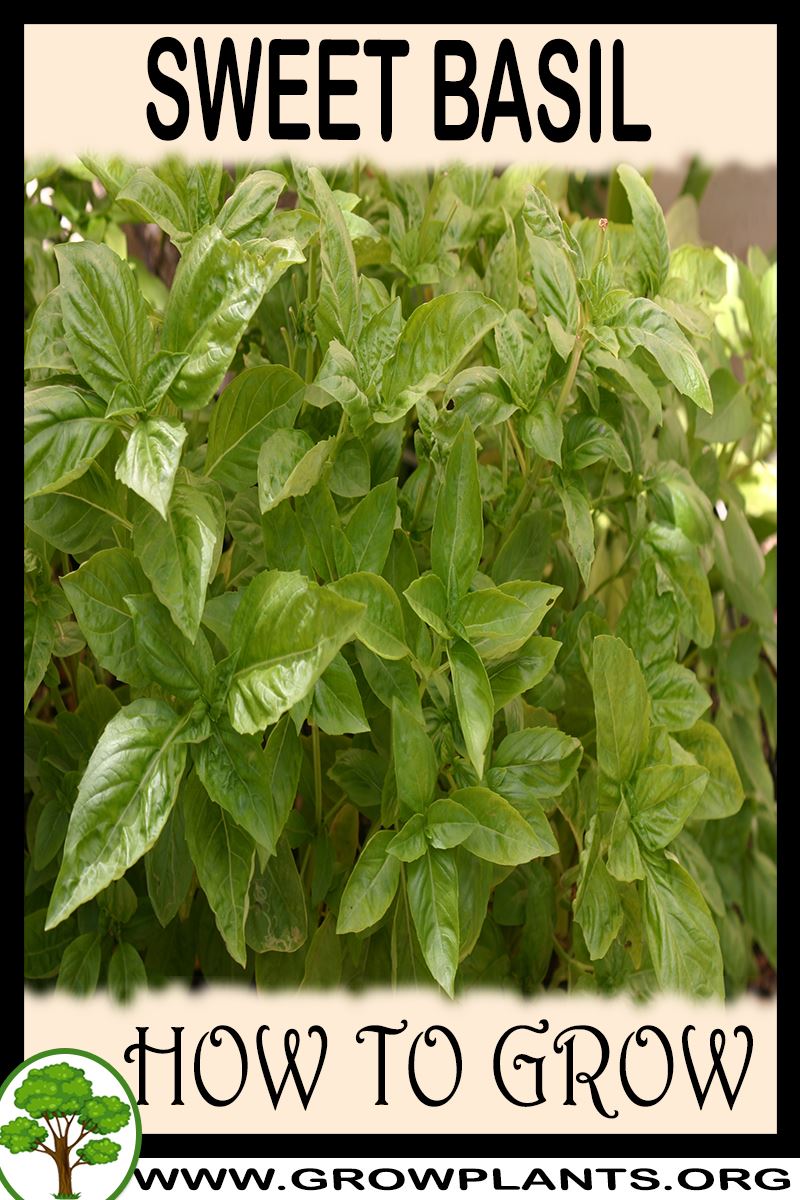
Picture this: the aroma of fresh basil wafting through your kitchen, a flavor explosion waiting to happen in your next pesto or Caprese salad. Growing sweet basil plants is easier than you might think, and the rewards are immeasurable. Let's dive into the wonderful world of cultivating your own fragrant basil bounty.
Choosing the Right Sweet Basil Variety
Not all basil is created equal! While there are many fascinating basil varieties like Thai basil and lemon basil, when we talk about "sweet basil," we usually mean Ocimum basilicum. However, even within sweet basil, there's a delightful range of options. Consider these popular choices for growing sweet basil plants:
- Genovese Basil: This is the classic Italian basil, known for its large, slightly wrinkled leaves and intense flavor. It's the go-to for pesto.
- Italian Large Leaf Basil: Similar to Genovese but with even bigger leaves, offering a more generous harvest.
- Dwarf Basil (Bush Basil): A compact variety perfect for containers or small gardens. It has a milder flavor than Genovese.
- Purple Basil: Adds a beautiful visual element to your garden and offers a slightly different, sometimes spicier, flavor profile. While not strictly "sweet" basil in the traditional sense, it's still a great option.
When choosing your variety, think about how you plan to use your basil. If you're a pesto aficionado, Genovese is a must. If you're looking for an all-purpose basil for various dishes, Italian Large Leaf is a great choice. For smaller spaces, dwarf basil is a fantastic solution.
Starting Your Sweet Basil Plants: Seeds vs. Seedlings
You have two main options for getting your sweet basil plants started: seeds or seedlings (also known as transplants). Each has its advantages:
Starting from Seeds
Starting basil from seeds is cost-effective and allows you to choose from a wider variety of cultivars. Here's how:
- Timing: Start seeds indoors 6-8 weeks before the last expected frost. Basil is very sensitive to cold.
- Soil: Use a seed-starting mix. This is a lightweight, sterile mix that provides optimal drainage and aeration for seedlings.
- Planting: Sow seeds about ¼ inch deep in small pots or seed trays.
- Watering: Keep the soil consistently moist, but not soggy. Use a spray bottle to avoid disturbing the delicate seedlings.
- Light: Provide plenty of light. A sunny windowsill or grow lights are ideal. Seedlings need at least 6 hours of light per day.
- Temperature: Basil seeds germinate best in warm temperatures (70-80°F).
- Hardening Off: Before transplanting outdoors, gradually acclimate the seedlings to outdoor conditions by exposing them to increasing amounts of sunlight and fresh air over a period of 7-10 days.
Using Seedlings
Buying seedlings from a nursery or garden center is a faster and easier way to get started. Look for healthy, vibrant plants with no signs of pests or diseases.
Pro Tip: When selecting seedlings, gently check the roots. Avoid plants that are root-bound (roots tightly circling the pot). These plants may struggle to establish themselves in the garden.
Planting Sweet Basil Plants
Whether you're transplanting seedlings or direct-sowing seeds (after the danger of frost has passed), proper planting is crucial for successful growing sweet basil plants.
Choosing the Right Location
Basil thrives in a sunny location with at least 6-8 hours of direct sunlight per day. It also prefers well-drained soil that is rich in organic matter.
Preparing the Soil
Before planting, amend the soil with compost or other organic matter to improve drainage and fertility. Basil prefers a slightly acidic to neutral soil p H (6.0-7.5).
Planting
- Space basil plants 12-18 inches apart to allow for good air circulation.
- Dig a hole slightly larger than the root ball of the seedling.
- Gently remove the seedling from its pot and loosen the roots slightly.
- Place the seedling in the hole and backfill with soil.
- Water thoroughly after planting.
You can also grow basil in containers. Choose a pot that is at least 12 inches in diameter and has drainage holes. Use a high-quality potting mix.
Speaking of outdoor essentials, having the right tools can make all the difference. Consider a durable and versatilegarden hose with a 10-function nozzle, like this 75 FT option with leak-proof metal connectors, designed to be kink-free, lighter, and wear-resistant. It’s a great way to ensure your basil plants get the water they need. Check it out here: https://amzn.to/3Yv E0Bo.
Caring for Your Sweet Basil Plants
Once your basil plants are established, proper care is essential for maximizing growth and flavor.
Watering
Basil needs consistent moisture, especially during hot weather. Water deeply when the top inch of soil feels dry to the touch. Avoid overhead watering, as this can promote fungal diseases. Drip irrigation or soaker hoses are ideal.
Fertilizing
Basil is a moderate feeder. Fertilize every 2-3 weeks with a balanced liquid fertilizer. Avoid over-fertilizing, as this can reduce the flavor of the leaves.
Pinching and Pruning
Pinching and pruning are essential for encouraging bushy growth and preventing basil from flowering. When basil flowers, the leaves become bitter and less flavorful. Pinch off the flower buds as soon as they appear. To encourage bushier growth, pinch off the top set of leaves on each stem. This will force the plant to produce more side shoots.
Pest and Disease Control
Basil is generally resistant to pests and diseases, but it can be susceptible to aphids, spider mites, and fungal diseases like downy mildew. Inspect your plants regularly for signs of pests or diseases. If you find any, treat them promptly with an appropriate organic pesticide or fungicide.
Harvesting and Using Your Sweet Basil
You can start harvesting basil leaves as soon as the plant has several sets of true leaves. The best time to harvest is in the morning, after the dew has dried. Simply pinch or cut off the leaves with your fingers or scissors.
How to Harvest Basil
- Harvest regularly to encourage continued growth.
- Avoid harvesting more than one-third of the plant at a time.
- Pinch or cut the stems just above a leaf node (the point where leaves grow from the stem).
Using Fresh Basil
Fresh basil is best used immediately after harvesting. It can be added to salads, sauces, soups, and other dishes. It's a key ingredient in pesto, Caprese salad, and many other Italian and Mediterranean recipes.
Storing Basil
Fresh basil doesn't store well in the refrigerator, as it tends to wilt and turn black. Here are a few tips for storing basil:
- Store in water: Place the stems of the basil in a glass of water like a bouquet of flowers, and cover the leaves loosely with a plastic bag. This will keep the basil fresh for several days.
- Dry basil: Dry basil leaves in a dehydrator or oven. Store dried basil in an airtight container in a cool, dark place.
- Freeze basil: Puree fresh basil with olive oil and freeze in ice cube trays. This is a great way to preserve basil for use in sauces and soups.
Troubleshooting Common Problems When Growing Sweet Basil Plants
Even with the best care, you may encounter some challenges when growing basil. Here are some common problems and how to address them:
Yellowing Leaves
Yellowing leaves can be caused by overwatering, underwatering, nutrient deficiencies, or pest infestations. Check the soil moisture and adjust watering as needed. Fertilize with a balanced fertilizer. Inspect the plants for pests and treat accordingly.
Brown Spots on Leaves
Brown spots on leaves can be a sign of fungal disease. Remove affected leaves and treat the plants with an appropriate fungicide. Ensure good air circulation to prevent fungal diseases.
Wilting
Wilting can be caused by underwatering, heat stress, or root rot. Water deeply and provide shade during the hottest part of the day. Ensure the soil is well-draining to prevent root rot.
Leggy Growth
Leggy growth (long, spindly stems with few leaves) is usually caused by insufficient light. Provide more light or move the plants to a sunnier location.
Conclusion
Growing sweet basil plants is a rewarding experience that can add flavor and fragrance to your life. With a little bit of knowledge and care, you can enjoy a bountiful harvest of fresh basil all season long. So, get your hands dirty, plant some basil, and savor the taste of summer!