Picture this: you’re making a delicious pesto, but you're out of fresh basil! A quick trip to the grocery store solves the problem, but what if you could extend the life of that store-bought basil and create an endless supply? The good news is, with a little know-how, you absolutely can! Growing Basil From Store-Bought: A Complete Guide So, can you really grow basil from store bought bunches? Absolutely! It's a fantastic way to save money, reduce waste, and enjoy fresh basil whenever you need it. However, the success of growing basil from store bought depends on a few key factors. This article will walk you through the entire process, from selecting the right basil to harvesting your homegrown leaves. We'll cover everything you need to know to successfully propagate basil from your grocery store haul. Selecting the Right Store-Bought Basil for Propagation Not all store-bought basil is created equal when it comes to propagation. To increase your ...
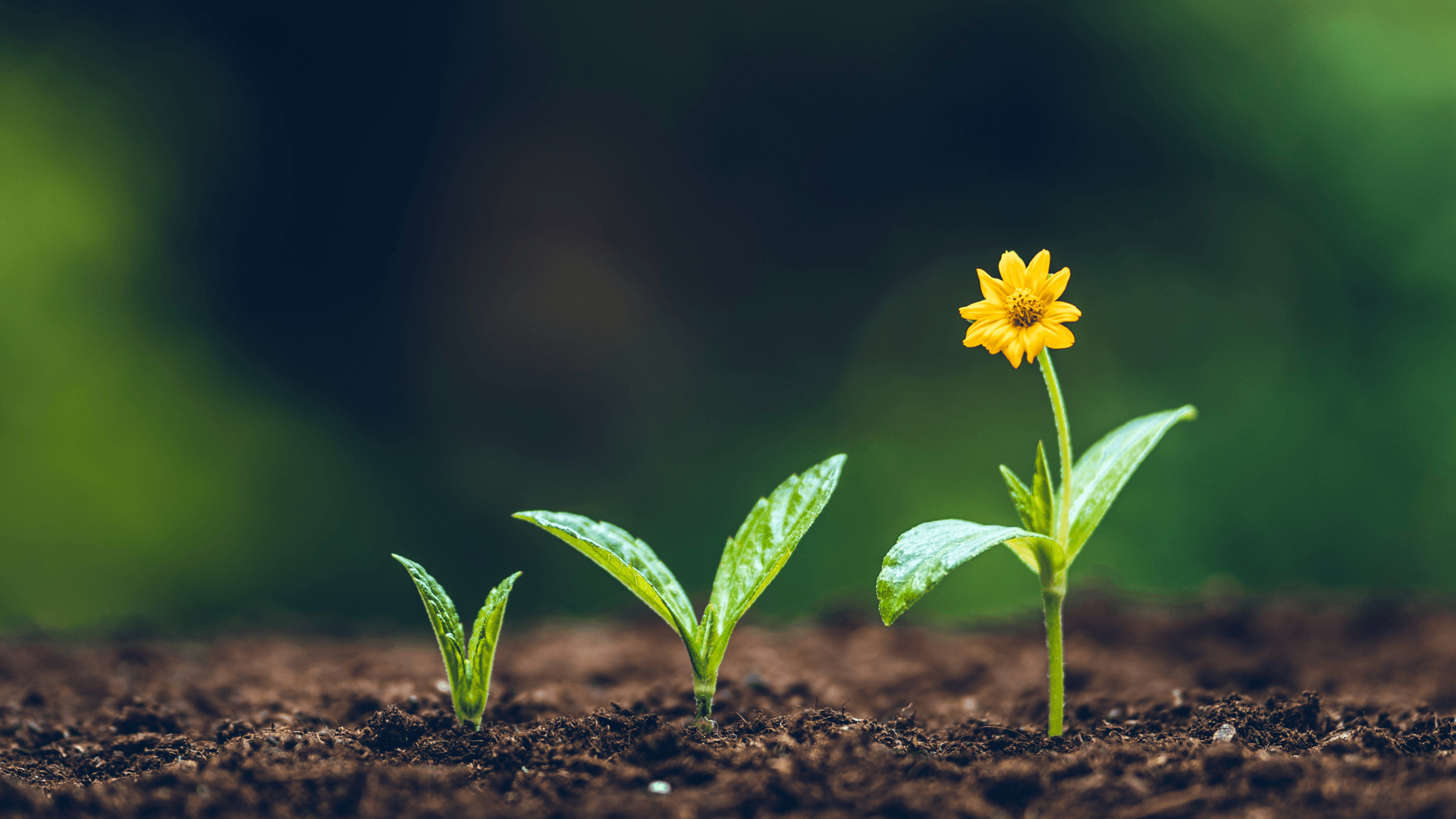
There's nothing quite like the fresh, peppery aroma of basil wafting through your garden, or the vibrant flavor it adds to your favorite dishes. Dreaming of pesto bursting with homegrown basil, or a simple Caprese salad elevated by its aromatic leaves? Growing your own basil is easier than you might think! Let's get started on this journey, and soon you'll be enjoying the fruits (or rather, leaves) of your labor.
Getting Started: How to Grow Your Basil Garden
The first step in successfullygrowing basil is understanding its needs. Basil loves warmth and sunshine, so selecting the right location and providing the proper conditions are crucial for a thriving basil garden. Think of basil as a sunbather from the Mediterranean – it craves those warm rays! Let's dive into the key factors you'll need to consider.
Choosing the Right Location
Sun, sun, sun! Basil needs at least 6-8 hours of direct sunlight per day to flourish. This is non-negotiable! Choose a spot in your garden that receives ample sunlight throughout the day. Observe your garden throughout the day to determine which areas get the most sunshine. Also, consider the soil. Basil prefers well-draining soil. If your soil is heavy clay, amend it with compost or other organic matter to improve drainage. Waterlogged soil can lead to root rot, which is a basil-killer. Good drainage is as vital as sunlight. If you're growing basil in containers, make sure the pots have drainage holes.
Starting from Seed vs. Seedlings
You have two main options for starting your basil garden: sowing seeds directly into the ground or transplanting seedlings. Starting from seed gives you more control over the entire process, but it requires more patience and attention. Seedlings offer a quicker start and are less susceptible to early pests and diseases.
Here’s a breakdown of each method:
- Starting from Seed: Sow seeds indoors 6-8 weeks before the last expected frost. Use a seed-starting mix and keep the soil consistently moist. Once the seedlings have developed a few sets of true leaves, you can harden them off by gradually exposing them to outdoor conditions before transplanting them to your garden. Direct sowing is possible in areas with warm, established growing seasons.
- Transplanting Seedlings: Purchase healthy seedlings from a reputable nursery. Look for plants with vibrant green leaves and strong stems. Avoid plants that appear leggy, yellowed, or have signs of pests or diseases. Gently remove the seedlings from their containers and plant them in your garden, spacing them 12-18 inches apart.
Soil Preparation
Basil thrives in fertile, well-draining soil with a p H between 6.0 and
7.5. Before planting, amend the soil with compost, aged manure, or other organic matter. This will improve drainage, aeration, and nutrient content. A soil test can help you determine the p H of your soil and whether any amendments are needed. Consider adding slow-release organic fertilizer into the planting hole to provide continuous nutrition as well. I found that using a raised garden bed with a custom blend of top soil, compost and aged manure really help to grow basil.
Caring for Your Basil Plants
Once your basil plants are established, proper care is essential for a bountiful harvest. This involves watering, fertilizing, and pruning techniques. Basil is pretty easy to take care of but make sure you give them the nutrients and the water they need.
Watering
Basil needs consistent moisture, especially during hot, dry weather. Water deeply whenever the top inch of soil feels dry to the touch. Avoid overwatering, as this can lead to root rot. Water in the morning to allow the foliage to dry before nightfall, which can help prevent fungal diseases. Mulching around the plants with straw or wood chips can help retain moisture and suppress weeds. Check the moisture level of the soil on a daily basis. If it rains, skip watering that day. Make sure to only water the soil, and not the leaves, to avoid mildew.
Fertilizing
Basil is a relatively light feeder, but it benefits from regular fertilization, especially if you’re harvesting frequently. Use a balanced organic fertilizer or a liquid seaweed extract every 2-3 weeks. Avoid over-fertilizing, as this can lead to leggy growth and reduced flavor. A fertilizer that is high in nitrogen is best for basil. Always follow the fertilizer's instruction before adding it into the soil. Too much fertilizer can be harmful to the plants.
Pruning and Harvesting
Pruning and harvesting are crucial for encouraging bushy growth and preventing your basil plants from flowering. Once basil starts to flower, the leaves can become bitter. Pinch off the flower buds as soon as you see them. To harvest basil, snip off the stems just above a leaf node. This will encourage new growth from the side shoots. Regular harvesting will result in a fuller, more productive plant. For a good pesto, make sure that your basil has the rich aroma before harvesting.
Troubleshooting Common Problems
Even with the best care, basil plants can sometimes encounter problems. Here are some common issues and how to address them.
Pests
Aphids, spider mites, and Japanese beetles are common basil pests. Inspect your plants regularly for signs of infestation. If you spot pests, try spraying them off with a strong stream of water or using insecticidal soap or neem oil. Organic gardening practices are a great way to avoid pest. Consider adding herbs with repellent properties such as mint and rosemary to help deter pests. You can also grow basil with Marigold flowers that help repel pests.
Diseases
Fungal diseases like downy mildew and fusarium wilt can affect basil plants, especially in humid conditions. Ensure good air circulation around your plants and avoid overhead watering. If you see signs of disease, remove the affected leaves and spray the plants with a fungicide. Consider using disease-resistant varieties of basil to reduce the risk of problems. Consider growing basil with oregano, which also has antimicrobial properties that can prevent the spread of these fungi.
Yellowing Leaves
Yellowing leaves can be a sign of overwatering, nutrient deficiency, or disease. Check the soil moisture and adjust your watering schedule accordingly. Fertilize your plants with a balanced fertilizer. If you suspect disease, remove the affected leaves and treat the plants with a fungicide.
To ensure your basil plants receive the best hydration, consider investing in a reliable watering solution. TheGarden Hose 75 FT with 10-Function Nozzle offers a convenient and efficient way to water your basil garden, featuring leak-proof metal connectors and a kink-free design. You can find this helpful tool here: https://amzn.to/3Yv E0Bo. With its wear-resistant construction, this versatile garden essential will support your gardening endeavors for seasons to come.
Enjoying Your Basil Harvest
Now that you've successfully grown your basil garden, it's time to enjoy the rewards of your labor! Fresh basil can be used in a variety of dishes, from pesto and pasta sauces to salads and soups. It can also be dried or frozen for later use.
Recipes and Ideas
- Pesto: Blend fresh basil leaves with garlic, pine nuts, Parmesan cheese, and olive oil for a classic Italian pesto.
- Caprese Salad: Combine sliced tomatoes, mozzarella cheese, and fresh basil leaves for a simple and delicious salad.
- Basil-Infused Oil: Steep fresh basil leaves in olive oil for a flavorful oil that can be used for cooking or drizzling over dishes.
- Basil Tea: Brew a refreshing tea by steeping fresh basil leaves in hot water.
Preserving Basil
If you have more basil than you can use fresh, consider preserving it for later use. Here are a few methods:
- Drying: Hang stems of basil upside down in a cool, dry place until the leaves are brittle. Crumble the dried leaves and store them in an airtight container.
- Freezing: Blanch basil leaves in boiling water for a few seconds, then transfer them to an ice bath. Drain the leaves and freeze them in a single layer on a baking sheet. Once frozen, transfer them to a freezer bag.
- Pesto: Make pesto and freeze it in ice cube trays for easy use later on.
Growing your own basil garden is a rewarding experience that will provide you with fresh, flavorful basil throughout the growing season. With a little care and attention, you can enjoy the delicious taste of homegrown basil in your favorite dishes. Happy gardening!