Picture this: you’re making a delicious pesto, but you're out of fresh basil! A quick trip to the grocery store solves the problem, but what if you could extend the life of that store-bought basil and create an endless supply? The good news is, with a little know-how, you absolutely can! Growing Basil From Store-Bought: A Complete Guide So, can you really grow basil from store bought bunches? Absolutely! It's a fantastic way to save money, reduce waste, and enjoy fresh basil whenever you need it. However, the success of growing basil from store bought depends on a few key factors. This article will walk you through the entire process, from selecting the right basil to harvesting your homegrown leaves. We'll cover everything you need to know to successfully propagate basil from your grocery store haul. Selecting the Right Store-Bought Basil for Propagation Not all store-bought basil is created equal when it comes to propagation. To increase your ...
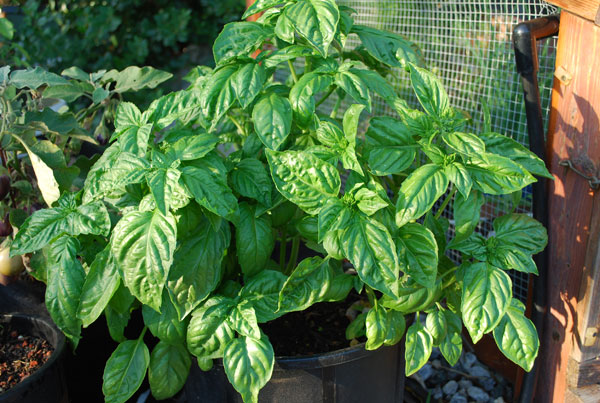
There's nothing quite like the fresh, aromatic scent of basil wafting through your kitchen. Imagine having that delicious fragrance, and the flavorful herb itself, right at your fingertips. Forget those sad, wilted bunches from the grocery store – growing your own basil in containers is surprisingly easy and rewarding, even if you don't have a sprawling garden. Let's dive into how to cultivate your own little basil paradise, one pot at a time.
How to Grow Basil In Containers: A Complete Guide
Growing basil in containers is a fantastic way to enjoy fresh herbs, even with limited space. Container gardening offers flexibility and control over the growing environment, making it easier to provide your basil with the ideal conditions it needs to thrive. This guide will walk you through every step of the process, from selecting the right container and soil to troubleshooting common problems, ensuring you have a bountiful basil harvest.
Choosing the Right Container for Growing Basil
The container you choose plays a crucial role in the success of your basil plants. Consider these factors when making your selection:
Size: Basil needs room to grow! Aim for a container that is at least 12 inches in diameter and 12 inches deep. This allows the roots to spread and prevents the plant from becoming root-bound, which can stunt its growth. A larger container will also hold more moisture, which is beneficial, especially in hot weather. Material: Containers can be made from various materials, including plastic, terracotta, ceramic, and wood. Each has its pros and cons: Plastic:Lightweight, inexpensive, and retains moisture well. However, it can heat up quickly in direct sunlight.
Terracotta: Porous material that allows for good drainage and airflow. Can dry out quickly and may become heavy when filled.
Ceramic: Similar to terracotta but often glazed, which reduces water loss. Can be more expensive.
Wood: Offers a natural look and good insulation. Needs to be treated to prevent rotting. Drainage: Excellent drainage is absolutely essential. Basil hates sitting in soggy soil, which can lead to root rot. Ensure your chosen container has adequate drainage holes. If not, you can drill some yourself. Color:Dark-colored containers absorb more heat than light-colored ones. In hot climates, opt for lighter colors to help keep the soil temperature down.
Selecting the Best Soil for Growing Basil in Pots
Basil thrives in rich, well-draining soil. Avoid using garden soil, as it tends to compact in containers and doesn't provide adequate drainage. Instead, opt for a high-quality potting mix specifically designed for containers. Here’s what to look for:
Potting Mix Components: A good potting mix typically contains a blend of ingredients like peat moss, perlite, vermiculite, and compost.
Peat moss helps retain moisture.
Perlite improves drainage and aeration.
Vermiculite also enhances aeration and water retention.
Compost adds nutrients and beneficial microbes to the soil. p H Level:Basil prefers a slightly acidic to neutral p H, ideally between 6.0 and
7.5. You can test the p H of your soil using a soil testing kit, available at most garden centers. Amendments: Consider adding slow-release fertilizer to your potting mix at planting time. This will provide a steady supply of nutrients to your basil plants throughout the growing season. You can also incorporate compost or aged manure to enrich the soil. Avoid Garden Soil: As mentioned above, garden soil is too heavy and compact for container gardening. It doesn't drain well, which can lead to root rot, and it may contain pests or diseases that can harm your basil plants.
Planting Basil in Containers: Step-by-Step
Now that you have your container and soil ready, it's time to plant your basil. Follow these steps for success:
- Prepare the Container: Make sure the container is clean and has adequate drainage holes. Place a layer of gravel or small rocks at the bottom to further improve drainage.
- Fill with Potting Mix: Fill the container with potting mix, leaving about an inch or two of space at the top.
- Plant the Basil Seedlings or Seeds:
- From Seedlings: Gently remove the basil seedlings from their nursery pots and loosen the roots slightly. Dig a hole in the potting mix large enough to accommodate the root ball. Place the seedling in the hole and backfill with potting mix, gently firming the soil around the base of the plant. Space seedlings about 6-8 inches apart in larger containers.
- From Seeds: Sow basil seeds about ¼ inch deep and 1 inch apart. Cover with a thin layer of potting mix and gently water. Keep the soil consistently moist until the seeds germinate, which usually takes 5-10 days. Once the seedlings emerge, thin them out to about 6-8 inches apart.
- Water Thoroughly: After planting, water the basil plants thoroughly until water drains from the bottom of the container.
- Mulch (Optional): Add a layer of mulch around the base of the plants to help retain moisture and suppress weeds. Organic mulches like shredded bark or straw are good choices.
Caring for Your Container Basil: Watering, Sunlight, and Fertilizing
Proper care is essential for healthy and productive basil plants. Here's what you need to know about watering, sunlight, and fertilizing:
Watering
Basil needs consistent moisture but doesn't like to be waterlogged. Water deeply whenever the top inch of soil feels dry to the touch. Check the soil moisture regularly, especially during hot, dry weather. Water in the morning to allow the foliage to dry before nightfall, which helps prevent fungal diseases. Avoid overhead watering, as this can also promote fungal growth. Aim for watering directly at the soil. This is where a reliable watering solution, such as agarden hose 75 FT with multiple spray options, can be incredibly helpful for targeting the base of your plants and avoiding unnecessary water waste. You can find a great option here: https://amzn.to/3Yv E0Bo. Consider it a great tool for your garden arsenal
Sunlight
Basil thrives in full sun, which means at least 6-8 hours of direct sunlight per day. If you're growing basil indoors, place it near a sunny window or use grow lights to provide adequate light. Insufficient sunlight can lead to leggy growth and reduced flavor.
Fertilizing
Basil is a relatively heavy feeder and benefits from regular fertilization. Use a balanced liquid fertilizer diluted to half strength every 2-3 weeks. Alternatively, you can use a slow-release fertilizer at planting time. Avoid over-fertilizing, as this can lead to excessive foliage growth at the expense of flavor. Organic fertilizers, such as compost tea or fish emulsion, are also excellent choices.
Pruning and Harvesting Basil for Maximum Growth
Pruning and harvesting are crucial for encouraging bushier growth and preventing your basil from flowering. Once basil flowers, it signals the end of its life cycle, and the leaves can become bitter.
Pinching: When the basil plant is about 6 inches tall, pinch off the top set of leaves just above a leaf node (the point where leaves emerge from the stem). This will encourage the plant to branch out and produce more leaves. Regular Harvesting: Harvest basil leaves regularly by snipping them off with scissors or pinching them off with your fingers. Always cut above a leaf node to encourage new growth. Removing Flower Buds: As soon as you see flower buds forming, pinch them off. This will keep the plant focused on producing leaves. Large Harvests: If you need to harvest a large amount of basil at once, you can cut the entire plant back to about one-third of its size. It will quickly regrow.
Common Problems and Solutions When Growing Basil in Containers
Even with the best care, basil plants can sometimes encounter problems. Here are some common issues and how to address them:
Yellowing Leaves: This can be caused by overwatering, underwatering, nutrient deficiencies, or pests. Check the soil moisture, adjust your watering accordingly, and fertilize if necessary. Inspect the leaves for pests. Brown Spots: Brown spots can be a sign of fungal diseases like basil downy mildew. Improve air circulation, avoid overhead watering, and apply a fungicide if necessary. Pests: Common basil pests include aphids, spider mites, and whiteflies. Inspect your plants regularly and treat any infestations promptly with insecticidal soap or neem oil. Leggy Growth: This is usually caused by insufficient sunlight. Move your basil plant to a sunnier location or supplement with grow lights. Root Rot:Root rot is caused by overwatering and poor drainage. Ensure your container has adequate drainage holes and allow the soil to dry out slightly between waterings.
Different Varieties of Basil to Grow in Containers
There are many different varieties of basil, each with its unique flavor and aroma. Here are some popular choices for container gardening:
Sweet Basil: The most common type of basil, with a classic sweet and slightly peppery flavor. Great for pesto, pasta sauces, and salads. Genovese Basil: Similar to sweet basil but with a more intense flavor. Often considered the best basil for pesto. Thai Basil: Has a licorice-like flavor with hints of anise and clove. Used in Southeast Asian cuisine. Lemon Basil: Offers a refreshing lemony flavor and aroma. Great for teas, salads, and desserts. Purple Basil:Adds a beautiful visual element to your garden with its deep purple leaves. The flavor is similar to sweet basil but with a slightly spicier note.
Enjoying Your Homegrown Basil
Growing basil in containers is a rewarding experience that allows you to enjoy fresh, flavorful herbs right at your fingertips. With a little care and attention, you can have a thriving basil plant that provides you with an abundance of leaves for cooking, garnishing, and even making your own pesto. So, get planting and savor the delicious taste of homegrown basil!