Picture this: you’re making a delicious pesto, but you're out of fresh basil! A quick trip to the grocery store solves the problem, but what if you could extend the life of that store-bought basil and create an endless supply? The good news is, with a little know-how, you absolutely can! Growing Basil From Store-Bought: A Complete Guide So, can you really grow basil from store bought bunches? Absolutely! It's a fantastic way to save money, reduce waste, and enjoy fresh basil whenever you need it. However, the success of growing basil from store bought depends on a few key factors. This article will walk you through the entire process, from selecting the right basil to harvesting your homegrown leaves. We'll cover everything you need to know to successfully propagate basil from your grocery store haul. Selecting the Right Store-Bought Basil for Propagation Not all store-bought basil is created equal when it comes to propagation. To increase your ...
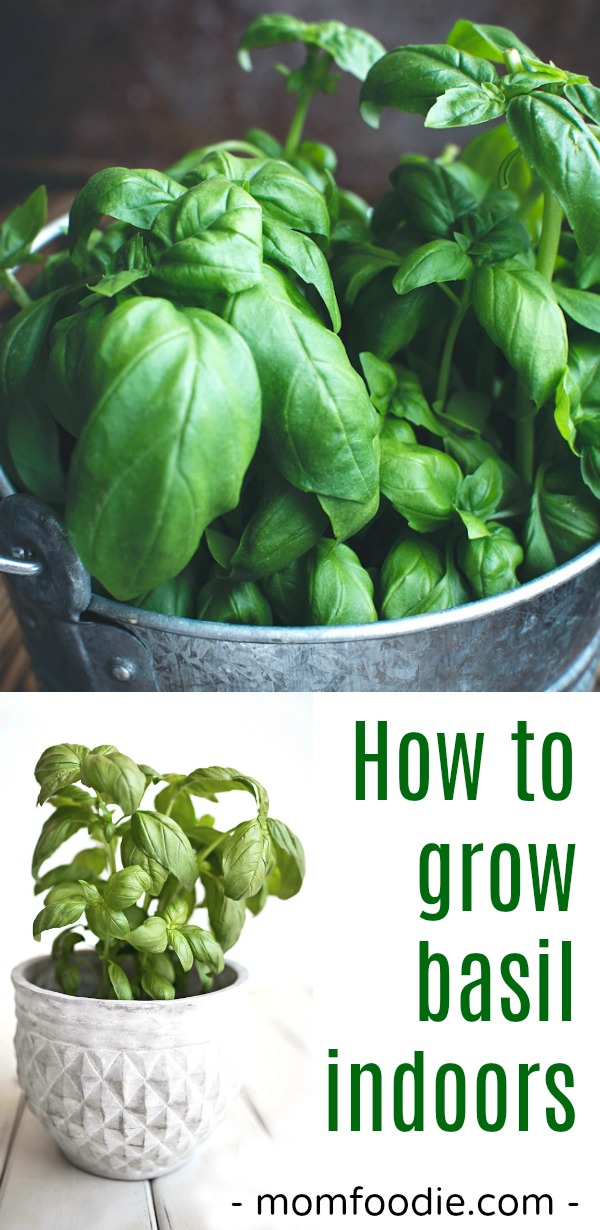
Imagine fresh, fragrant basil leaves at your fingertips, ready to elevate your culinary creations, even in the dead of winter. Forget those sad, imported bunches at the grocery store – with a little know-how, you can enjoy the vibrant taste of homegrown basil all year round. It's easier than you think, and the reward of freshly harvested herbs is well worth the effort. Let's get started on your indoor basil growing journey!
How To Grow Basil Indoors Year Round: A Complete Guide
Growing basil indoors year-round is a rewarding experience that brings the flavors of summer into your home, regardless of the season. With the right techniques and attention, you can enjoy a continuous supply of fresh, aromatic basil leaves for your favorite recipes. This guide will walk you through everything you need to know about successfully growing basil indoors, from selecting the right variety to troubleshooting common issues.
Choosing the Right Basil Variety for Indoor Growing
Not all basil varieties are created equal when it comes to indoor cultivation. While most types can be grown indoors with sufficient care, some are naturally better suited for the environment. Consider these factors when selecting your basil variety:
- Compact Size: Bush basil varieties, such as Spicy Globe or Dwarf Greek basil, tend to be smaller and more manageable for indoor containers.
- Light Requirements: Some varieties thrive with slightly less light than others, making them ideal for homes with limited natural sunlight. Genovese basil is a good option if you can provide adequate light (natural or artificial).
- Flavor Preference: Think about the flavors you prefer. Sweet basil is the most common and versatile, while lemon basil adds a citrusy note. Thai basil offers a slightly spicy and anise-like flavor.
Here’s a quick rundown of popular basil varieties for indoor growing:
| Variety | Description | Light Needs | Size | Flavor |
|---|---|---|---|---|
| ----------------- | -------------------------------------------------------------------- | -------------------- | -------------- | -------------------- |
| Sweet Basil | Classic basil flavor, widely used in Italian cuisine | High | Medium | Sweet, slightly spicy |
| Genovese Basil | Another classic, often used in pesto | High | Medium | Rich, sweet |
| Spicy Globe Basil | Compact and bushy, great for small spaces | Medium to High | Small | Spicy, intense |
| Lemon Basil | Distinct lemon aroma and flavor | Medium to High | Medium | Citrusy, lemon |
| Thai Basil | Anise and licorice notes, common in Southeast Asian dishes | High | Medium | Anise, spicy |
| Purple Basil | Beautiful purple foliage, adds a unique visual element | High | Medium | Similar to sweet basil |
Setting Up Your Indoor Basil Garden
Once you've chosen your basil variety, it's time to create the ideal growing environment. Here’s a breakdown of the key elements:
Choosing the Right Container
The container is your basil plant's home, so choose wisely. Consider these factors:
- Size: A pot that's at least 6-8 inches in diameter is a good starting point. As your basil grows, you may need to transplant it into a larger container.
- Material: Terra cotta pots are porous and allow for better drainage, but they can dry out quickly. Plastic pots retain moisture better but can lead to overwatering if you're not careful.
- Drainage: Ensure your pot has drainage holes to prevent water from pooling at the bottom, which can lead to root rot.
Selecting the Right Soil
Basil needs well-draining soil that's rich in organic matter. A good potting mix is essential. Avoid using garden soil, as it's often too heavy and doesn't drain well. Look for a mix that contains ingredients like:
- Peat moss or coco coir: These help retain moisture.
- Perlite or vermiculite: These improve drainage and aeration.
- Compost or aged manure: These provide essential nutrients.
You can also create your own potting mix by combining equal parts of peat moss (or coco coir), perlite, and compost. Remember to sterilize the soil beforehand by baking it in the oven at 200°F (93°C) for 30 minutes to kill any harmful pathogens. This step is especially important if you're using compost or other organic matter.
Providing Adequate Light
Basil requires at least 6-8 hours of sunlight per day. If you don't have a sunny window, you'll need to supplement with grow lights. Here’s what you should know:
- Natural Sunlight: South-facing windows usually provide the most sunlight. East- or west-facing windows can also work, but your basil may need supplemental lighting.
- Grow Lights: Fluorescent or LED grow lights are excellent options. Position the lights a few inches above your basil plants and keep them on for 12-16 hours per day.
Signs your basil isn't getting enough light include:
- Leggy growth (long, spindly stems)
- Pale or yellowing leaves
- Slow growth
Adjust the lighting or move your basil to a sunnier location if you notice these signs.
Maintaining the Right Temperature and Humidity
Basil thrives in warm temperatures between 65°F and 80°F (18°C and 27°C). Avoid placing your basil near drafts or heating vents, as this can stress the plant.
Humidity is another factor to consider. Basil prefers moderate humidity levels. If your home is dry, you can increase humidity by:
- Using a humidifier
- Placing a tray of water near your basil plants
- Grouping plants together to create a microclimate
Planting and Growing Your Basil
Now that you've prepared your growing environment, it's time to plant your basil. You can start basil from seeds or purchase established seedlings.
Starting from Seeds
Starting from seeds gives you more control over the entire growing process. Here's how to do it:
- Sow the Seeds: Fill a small seed tray or individual pots with seed-starting mix. Sow the seeds about ¼ inch deep and gently water them.
- Provide Warmth and Moisture: Cover the tray with a plastic dome or plastic wrap to retain moisture. Place it in a warm location (around 70-75°F or 21-24°C).
- Germination: Basil seeds typically germinate within 5-10 days. Once the seedlings emerge, remove the plastic cover and provide them with plenty of light.
- Transplanting: When the seedlings have developed a few sets of true leaves (the leaves that appear after the initial seed leaves), transplant them into their permanent pots.
Transplanting Seedlings
If you're starting with seedlings, carefully remove them from their original containers and plant them in your prepared pots. Make sure the top of the root ball is level with the soil surface. Water well after planting.
Watering and Fertilizing
Basil needs consistent moisture but doesn't like to be waterlogged. Water your basil when the top inch of soil feels dry to the touch. Avoid overwatering, as this can lead to root rot.
Fertilize your basil every 2-4 weeks with a balanced liquid fertilizer diluted to half strength. Look for a fertilizer with an NPK ratio (nitrogen, phosphorus, potassium) of around 10-10-10. Organic options like fish emulsion or compost tea are also excellent choices.
Pruning and Harvesting
Pruning is essential for keeping your basil plant healthy and productive. Pinch off the top leaves regularly to encourage bushier growth. When harvesting, snip off the leaves just above a leaf node (the point where leaves emerge from the stem). This will encourage new growth from that point.
Remove any flower buds as soon as you see them. Basil plants put a lot of energy into producing flowers, which can reduce leaf production. Pinching off the buds will keep your basil focused on growing leaves.
You can use a simple pair of scissors for harvesting, or you might want to consider a high-qualityGarden Hose 75 FT with 10-Function Nozzle, Leak-proof Metal Connector Water Hose, No Knots, Kink-Free, Lighter, Anti-Pets, Wear-Resistant, 3/4 GHT, Metal Hose for Garden, Yard, Outdoor to keep your outdoor plants in good shape as well! Get one on Amazon today at https://amzn.to/3Yv E0Bo and consider this convenient outdoor flexible garden hose to help keep your entire garden thriving.
Troubleshooting Common Issues When Growing Basil Indoors
Even with the best care, you might encounter some challenges when growing basil indoors. Here are some common problems and how to solve them:
Pests
Aphids, spider mites, and whiteflies can sometimes infest indoor basil plants. Here's how to deal with them:
- Inspect Regularly: Check your plants regularly for signs of pests. Look for small insects, webbing, or sticky residue on the leaves.
- Wash the Leaves: For minor infestations, wash the leaves with a strong stream of water or wipe them down with a damp cloth.
- Insecticidal Soap: For more severe infestations, use insecticidal soap or neem oil. Follow the instructions on the product label carefully.
- Introduce Beneficial Insects: Consider introducing beneficial insects like ladybugs or lacewings to your indoor garden. These insects will prey on common basil pests.
Diseases
Root rot and fungal diseases can be a problem, especially if your basil is overwatered or doesn't have adequate airflow. Here's how to prevent and treat these issues:
- Proper Watering: Avoid overwatering and make sure your pots have good drainage.
- Good Airflow: Provide good airflow around your plants. You can use a small fan to circulate the air.
- Fungicides: If you notice signs of fungal disease, such as powdery mildew or leaf spots, treat your basil with a fungicide. Choose a fungicide that's specifically labeled for use on edible plants.
Yellowing Leaves
Yellowing leaves can be a sign of several problems, including:
- Overwatering: Too much water can cause the roots to rot, leading to yellowing leaves.
- Nutrient Deficiency: A lack of essential nutrients can also cause yellowing leaves. Fertilize your basil regularly with a balanced fertilizer.
- Insufficient Light: Not enough light can cause the leaves to turn yellow and drop off. Move your basil to a sunnier location or supplement with grow lights.
Harvesting and Using Your Indoor-Grown Basil
Once your basil plants are established, you can start harvesting leaves regularly. The more you harvest, the bushier the plant will become. Harvest leaves in the morning when they're at their most flavorful.
Basil is a versatile herb that can be used in a variety of dishes. Here are just a few ideas:
- Pesto: Blend fresh basil with pine nuts, garlic, Parmesan cheese, and olive oil to make a classic pesto.
- Tomato Sauce: Add fresh basil to your favorite tomato sauce for a burst of flavor.
- Salads: Sprinkle chopped basil over salads for a fresh, aromatic touch.
- Pizza: Top your homemade pizza with fresh basil leaves after baking.
- Infused Oil: Infuse olive oil with fresh basil to create a flavorful cooking oil.
- Basil Tea: Steep fresh basil leaves in hot water to make a soothing and aromatic tea.
Enjoying Your Year-Round Indoor Basil Harvest
Growing basil indoors year-round is a simple and rewarding way to add fresh flavor to your meals. With a little bit of care and attention, you can enjoy a continuous supply of this versatile herb, no matter the season. From selecting the right variety to troubleshooting common problems, this guide has provided you with everything you need to know to successfully grow basil indoors. Happy gardening!