Picture this: you’re making a delicious pesto, but you're out of fresh basil! A quick trip to the grocery store solves the problem, but what if you could extend the life of that store-bought basil and create an endless supply? The good news is, with a little know-how, you absolutely can! Growing Basil From Store-Bought: A Complete Guide So, can you really grow basil from store bought bunches? Absolutely! It's a fantastic way to save money, reduce waste, and enjoy fresh basil whenever you need it. However, the success of growing basil from store bought depends on a few key factors. This article will walk you through the entire process, from selecting the right basil to harvesting your homegrown leaves. We'll cover everything you need to know to successfully propagate basil from your grocery store haul. Selecting the Right Store-Bought Basil for Propagation Not all store-bought basil is created equal when it comes to propagation. To increase your ...
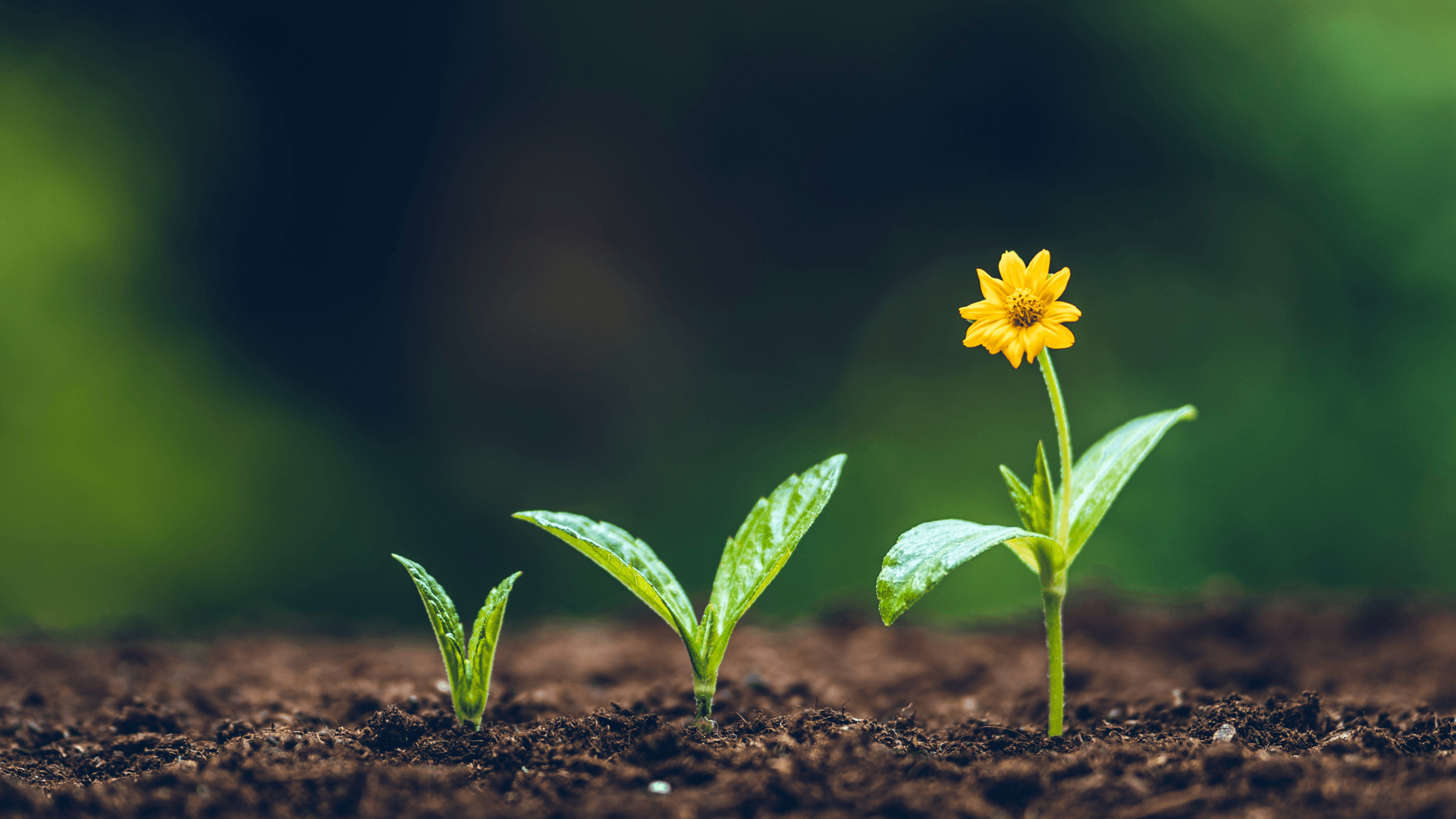
Imagine the fresh, aromatic scent of basil filling your kitchen, even in the dead of winter. No more bland, store-bought herbs – you can have vibrant, flavorful basil right at your fingertips, ready to elevate your cooking any time of year. Growing basil indoors year-round is easier than you might think, and this guide will walk you through everything you need to know to successfully cultivate your own indoor basil garden.
Growing Basil Indoors Year-Round: Your Complete Guide
Basil, a beloved herb in cuisines around the world, is surprisingly adaptable to indoor growing conditions. With a little know-how and the right setup, you can enjoy a continuous supply of fresh basil leaves, no matter the season. This guide will delve into every aspect of growing basil indoors, from selecting the right variety to harvesting your fragrant bounty.
Choosing the Right Basil Variety for Indoor Growing
While all basil varieties share that distinctive aroma and flavor, some are better suited for indoor cultivation than others. Consider these factors when choosing your basil:
- Size: Smaller varieties are generally easier to manage indoors, especially if space is limited.
- Growth Habit: Compact, bushy varieties tend to thrive in pots.
- Lighting Needs: While all basil needs sunlight, some varieties are more tolerant of slightly lower light levels.
Here are a few popular basil varieties that perform well indoors:
- Genovese Basil: The classic choice for pesto and Italian dishes, Genovese basil offers robust flavor. However, it can get quite large, so be prepared to prune it regularly.
- Dwarf Basil: Also known as Spicy Globe Basil, is a compact and well branched basil variety, which has a spicy flavor and small leaves. It is a great choice for pots, small gardens, borders, etc.
- Thai Basil: This basil has a distinctive anise-licorice flavor that’s wonderful in Southeast Asian dishes. It tends to be more tolerant of lower light conditions than some other varieties.
- Lemon Basil: As its name suggests, lemon basil boasts a refreshing citrusy aroma and flavor. It's a more compact variety, perfect for containers.
Fact: Did you know that basil comes in purple varieties, such as 'Opal' basil? These varieties not only offer unique visual appeal but also add a slightly different flavor profile to your dishes.
Essential Factors for Successfully Growing Basil Indoors
Successfully growing basil indoors year-round requires attention to a few key environmental factors. Replicating the conditions that basil thrives in outdoors will set you up for a lush and productive indoor garden. Here's what to keep in mind:
Light: Providing Adequate Illumination for Indoor Basil
Basil needs plenty of light – ideally 6-8 hours of direct sunlight per day. A south-facing window is often the best location, but if you don't have access to sufficient natural light, you'll need to supplement with grow lights. Here's a breakdown of lighting options:
- Natural Sunlight: Observe the amount of sunlight your chosen window receives. If your basil isn't thriving, even in a sunny window, it may not be getting enough light.
- Fluorescent Grow Lights: These are a budget-friendly option and work well for basil. Use "full-spectrum" bulbs to provide the plant with a wide range of light wavelengths.
- LED Grow Lights: While more expensive upfront, LED grow lights are energy-efficient and long-lasting. They also produce less heat than other types of grow lights.
Pro Tip: If using grow lights, position them a few inches above the basil plants. Monitor the leaves for signs of burning, which indicates the light is too close. Conversely, if the plants are leggy and stretched out, they may not be getting enough light.
Watering: Finding the Right Balance for Basil
Basil prefers consistently moist soil but doesn't like to be waterlogged. Overwatering can lead to root rot, which is a common problem for indoor basil. Here's how to water your basil correctly:
- Check the Soil: Before watering, feel the soil. If the top inch feels dry to the touch, it's time to water.
- Water Thoroughly: Water the soil until it's evenly moist, and excess water drains out of the bottom of the pot.
- Drainage is Key: Ensure your pot has adequate drainage holes to prevent water from accumulating at the bottom.
- Avoid Overwatering: Let the top inch of soil dry out between waterings.
Tip: Humidity levels affect how often you need to water. In drier indoor environments, you may need to water more frequently. Consider using a humidity tray filled with pebbles and water to increase humidity around your basil plants. You can also use a water meter to get a more accurate reading of the soil moisture.
Soil: Choosing the Right Growing Medium
Basil needs a well-draining potting mix that's rich in organic matter. A standard potting mix amended with compost or other organic material is ideal. Avoid using garden soil, as it can be too heavy and may not drain well in a pot.
- Potting Mix: Look for a high-quality potting mix specifically formulated for containers.
- Amendments: Add compost, perlite, or vermiculite to improve drainage and aeration.
- p H Level: Basil prefers a slightly acidic to neutral p H (around 6.0-7.0).
Data Point: Studies have shown that adding mycorrhizae to the potting mix can improve basil's nutrient uptake and overall growth.
Temperature: Maintaining a Comfortable Environment
Basil thrives in warm temperatures, ideally between 65-80°F (18-27°C). Avoid exposing your basil plants to cold drafts or sudden temperature fluctuations. Keep them away from drafty windows and doors, especially during the winter months.
Consider using a thermometer near your basil plants to monitor the temperature and ensure it stays within the ideal range.
Planting and Potting Your Indoor Basil
You can start basil from seeds or purchase established seedlings from a nursery. Here's how to plant your basil properly:
Starting from Seeds
- Sow Seeds: Fill a seed tray or small pots with seed-starting mix. Sow the basil seeds thinly on the surface of the soil and gently press them in.
- Keep Moist: Mist the soil regularly to keep it moist but not soggy.
- Provide Warmth: Basil seeds germinate best in warm conditions. You can use a heat mat to maintain a soil temperature of around 70-75°F (21-24°C).
- Transplant Seedlings: Once the seedlings have developed a few sets of true leaves, transplant them into larger pots filled with potting mix.
Planting Seedlings
- Choose a Pot: Select a pot that's at least 6 inches in diameter with drainage holes.
- Fill with Potting Mix: Fill the pot with potting mix, leaving about an inch of space at the top.
- Plant Seedling: Gently remove the seedling from its container and plant it in the pot, making sure the top of the root ball is level with the soil surface.
- Water Thoroughly: Water the soil thoroughly after planting.
Important Note: Whether you are starting from seeds or using seedlings, using the right equipment is a must for growing a plant. And that’s why it is important to choose your garden hose wisely. For a high-quality and versatile option, consider a 75 FT Garden Hose with 10-Function Nozzle, featuring leak-proof metal connectors, kink-free design, and wear-resistant material. This metal hose for your garden, yard, and outdoor is anti-pet and light weight for convenient watering. Check out this versatile watering tool here: https://amzn.to/3Yv E0Bo.
Caring for Your Indoor Basil Plants
Once your basil plants are established, ongoing care is essential for maintaining their health and productivity. Here are some key care tips:
Fertilizing: Providing Essential Nutrients
Basil is a relatively light feeder, but it benefits from regular fertilization. Use a balanced liquid fertilizer diluted to half strength every 2-4 weeks during the growing season. Avoid over-fertilizing, which can lead to leggy growth and reduced flavor.
Organic Option: You can also use organic fertilizers, such as compost tea or fish emulsion, to provide your basil with the nutrients it needs.
Pruning: Encouraging Bushy Growth
Regular pruning is crucial for encouraging bushy growth and preventing your basil from becoming leggy. Pinch off the top set of leaves above a leaf node (where leaves emerge from the stem). This will encourage the plant to produce more side shoots and more leaves.
Flowering: As soon as you see flower buds appearing, pinch them off. Flowering signals to the plant that it's nearing the end of its life cycle, and it will stop producing leaves. Removing the flower buds will encourage the plant to continue producing leaves.
Pest and Disease Control
While basil is relatively pest-resistant, it can be susceptible to aphids, spider mites, and whiteflies. Inspect your plants regularly for signs of infestation and take action promptly. Here are some control methods:
- Insecticidal Soap: Spray affected plants with insecticidal soap, following the instructions on the label.
- Neem Oil: Neem oil is a natural insecticide that can be effective against a wide range of pests.
- Handpicking: For small infestations, you can simply handpick the pests off the plants.
Disease Prevention: Ensure good air circulation around your basil plants to prevent fungal diseases. Avoid overwatering and remove any dead or yellowing leaves.
Harvesting Your Indoor Basil
You can start harvesting basil leaves as soon as the plant has reached a sufficient size, typically when it's about 6-8 inches tall. Harvest leaves regularly to encourage continued growth. Here's how to harvest your basil:
- Pinch or Cut: Pinch or cut off the leaves just above a leaf node.
- Harvest Regularly: Frequent harvesting encourages the plant to produce more leaves.
- Morning Harvest: Harvest basil in the morning, after the dew has dried, for the best flavor.
Troubleshooting Common Problems with Indoor Basil
Even with the best care, you may encounter some challenges when growing basil indoors. Here are some common problems and how to address them:
- Yellowing Leaves: Yellowing leaves can be caused by overwatering, underwatering, nutrient deficiencies, or pests. Adjust your watering schedule, fertilize regularly, and inspect for pests.
- Leggy Growth: Leggy growth is usually a sign of insufficient light. Provide more light, either through a sunnier location or grow lights. Also, make sure you are pruning back the stem regularly.
- Wilting Leaves: Wilting leaves can be caused by underwatering or root rot. Check the soil moisture and adjust your watering schedule accordingly.
- Small Leaves: Small leaves can be caused by insufficient light or nutrient deficiencies. Provide more light and fertilize regularly.
Enjoying Your Homegrown Basil
Now that you've successfully grown your own basil indoors, it's time to enjoy the fruits (or rather, leaves) of your labor! Use your fresh basil in a variety of culinary creations, from pesto and pasta sauces to salads and soups. You can also dry or freeze basil to preserve it for later use. The possibilities are endless, and the taste of homegrown basil is simply unmatched.
Growing basil indoors year-round is a rewarding experience that brings the flavors and aromas of summer into your home, no matter the season. With a little attention to detail and the right setup, you can enjoy a continuous supply of fresh, flavorful basil leaves for all your culinary adventures.