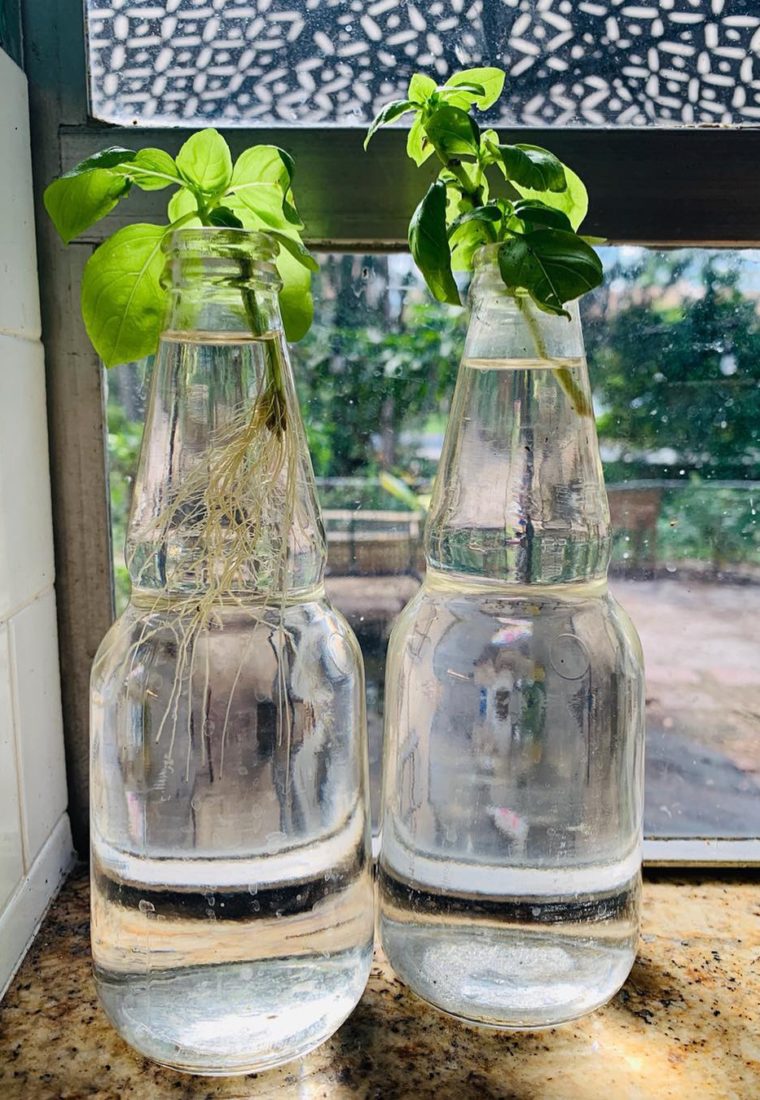
Picture this: you’re making a delicious pesto, but you're out of fresh basil! A quick trip to the grocery store solves the problem, but what if you could extend the life of that store-bought basil and create an endless supply? The good news is, with a little know-how, you absolutely can! Growing Basil From Store-Bought: A Complete Guide So, can you really grow basil from store bought bunches? Absolutely! It's a fantastic way to save money, reduce waste, and enjoy fresh basil whenever you need it. However, the success of growing basil from store bought depends on a few key factors. This article will walk you through the entire process, from selecting the right basil to harvesting your homegrown leaves. We'll cover everything you need to know to successfully propagate basil from your grocery store haul. Selecting the Right Store-Bought Basil for Propagation Not all store-bought basil is created equal when it comes to propagation. To increase your ...
There's nothing quite like the aroma of fresh basil wafting from your garden, is there? That sweet, peppery scent promises delicious pesto, vibrant salads, and a touch of summer in every bite. But getting that perfect basil harvest can sometimes feel like a challenge. Don't worry, though! With a little know-how, you can easily learn how to grow basil well and enjoy an abundance of this flavorful herb.
Growing Basil Successfully: A Complete Guide
Basil is a beloved herb, and for good reason. Its versatility in the kitchen and ease of cultivation make it a favorite for both beginner and experienced gardeners. This guide will walk you through every step of the process, from choosing the right variety to harvesting a bumper crop. We will explore everything from starting seeds to dealing with common problems, ensuring you're well-equipped to grow basil like a pro.
Choosing the Right Basil Variety
The world of basil is far more diverse than you might think! While sweet basil is the most common type, there are many other varieties to explore, each with its unique flavor profile and appearance. Selecting the right basil variety that suits your culinary needs and growing conditions is the first step in how to grow basil well.
Popular Basil Varieties: A Detailed Overview
Here's a closer look at some of the most popular basil varieties:
- Sweet Basil: The classic choice, with a sweet, slightly peppery flavor. Perfect for pesto, pasta sauces, and salads.
- Genovese Basil: A type of sweet basil, it's considered by many to be the best basil for making authentic pesto. It has a slightly stronger flavor than regular sweet basil.
- Thai Basil: Offers an anise-like flavor with hints of licorice. It's a staple in Southeast Asian cuisine.
- Lemon Basil: As the name suggests, it has a distinct lemony aroma and flavor, making it ideal for fish dishes, teas, and desserts.
- Purple Basil: Adds a beautiful visual element to your garden with its deep purple leaves. Its flavor is similar to sweet basil but with a slightly spicier note.
- Globe Basil: Grows in a compact, rounded shape. It has a milder flavor than sweet basil.
Consider your culinary preferences when making your selection. Do you dream of endless batches of pesto? Then Genovese basil is your best bet. Are you looking to add an exotic touch to your stir-fries? Try Thai basil. The options are endless!
Starting Basil Seeds: Indoors vs. Outdoors
Basil is relatively easy to start from seed, giving you a head start on the growing season. You can choose to start your seeds indoors or directly sow them outdoors, depending on your climate and timeline.
Starting Basil Seeds Indoors: A Step-by-Step Guide
Starting basil seeds indoors allows you to control the growing environment and get a jumpstart on the season, especially in cooler climates. Here's how to do it:
- Timing: Start seeds 6-8 weeks before the last expected frost.
- Materials: You'll need seed starting trays or small pots, seed starting mix (a light, well-draining soil), a spray bottle, and a warm, sunny location or grow lights.
- Sowing: Moisten the seed starting mix and fill the trays or pots. Sow seeds about 1/4 inch deep and gently cover them with soil.
- Watering: Mist the soil with a spray bottle to keep it consistently moist but not waterlogged.
- Warmth: Basil seeds need warmth to germinate. Maintain a soil temperature of around 70-80°F (21-27°C). A heat mat can be helpful.
- Light: Once seedlings emerge (usually within 5-10 days), provide them with plenty of bright light. If using a sunny windowsill, rotate the trays regularly to prevent legginess. Grow lights are an excellent alternative.
- Thinning: Once seedlings have their first true leaves (the second set of leaves), thin them out so that only the strongest seedling remains in each cell or pot.
- Hardening Off: Before transplanting your basil seedlings outdoors, you need to harden them off, gradually acclimating them to outdoor conditions. This process takes about a week. Start by placing the seedlings outdoors in a sheltered location for a few hours each day, gradually increasing the amount of time they spend outside.
Direct Sowing Basil Seeds Outdoors
If you live in a warm climate with a long growing season, you can directly sow basil seeds outdoors. Here's what to keep in mind:
- Timing: Wait until after the last frost and the soil has warmed up to at least 60°F (15°C).
- Location: Choose a sunny spot with well-drained soil.
- Soil Preparation: Amend the soil with compost or other organic matter to improve its fertility and drainage.
- Sowing: Sow seeds about 1/4 inch deep and space them according to the instructions on the seed packet.
- Watering: Keep the soil consistently moist until the seedlings emerge.
- Thinning: Once the seedlings are a few inches tall, thin them out to provide adequate spacing.
Optimal Growing Conditions for Basil: Sunlight, Soil, and Water
To truly thrive, basil needs the right growing conditions. Providing the ideal amount of sunlight, soil type, and water will lead to a bountiful harvest.
Sunlight: Basil's Love for the Sun
Basil is a sun-loving herb that needs at least 6-8 hours of direct sunlight per day. Insufficient sunlight can result in leggy growth and reduced flavor. If you're growing basil indoors, place it in a sunny windowsill or under grow lights.
Soil: Well-Drained and Fertile
Basil thrives in well-drained, fertile soil with a slightly acidic to neutral p H (around 6.0-7.5). Amend the soil with compost or other organic matter to improve its drainage and fertility. Avoid heavy clay soils, as they can retain too much moisture and lead to root rot.
Watering: Keeping Basil Hydrated
Basil needs consistent watering, especially during hot, dry weather. Water deeply whenever the top inch of soil feels dry to the touch. Avoid overhead watering, as it can promote fungal diseases. Water at the base of the plant to keep the leaves dry. Mulching around the plants can help retain moisture and suppress weeds.
Proper watering is crucial when determining how to grow basil well, therefore it's important to make sure you have a good garden hose that will help you reach all areas of your garden. Consider using agarden hose 75 FT with 10-Function Nozzle, Leak-proof Metal Connector Water Hose, which ensures no kinks and easy maneuverability, now available at https://amzn.to/3Yv E0Bo. This versatile metal hoseis designed for garden, yard, and outdoor use, providing reliable watering for your basil and other plants.
Caring for Your Basil Plants:Fertilizing, Pruning, and Pest Control
Once your basil plants are established, a little care and maintenance will go a long way in ensuring a healthy and productive harvest.
Fertilizing: Feeding Your Basil Plants
Basil is a relatively light feeder, but it benefits from regular fertilization, especially if you're harvesting frequently. Use a balanced organic fertilizer or compost tea every few weeks to provide your plants with the nutrients they need. Avoid over-fertilizing, as this can result in leggy growth and reduced flavor.
Pruning: Encouraging Bushier Growth
Pruning is essential for promoting bushy growth and preventing basil plants from becoming leggy. Pinch off the top sets of leaves regularly, especially when the plant is young. This will encourage the plant to produce more side shoots, resulting in a fuller, more productive plant. It is key when learning how to grow basil well.
Pest Control: Protecting Your Basil from Damage
Basil is generally pest-resistant, but it can be susceptible to certain pests, such as aphids, spider mites, and Japanese beetles. Regularly inspect your plants for signs of infestation and take action promptly. You can control most pests with insecticidal soap or neem oil. Avoid using harsh chemical pesticides, as they can harm beneficial insects and contaminate your harvest.
Harvesting Basil: When and How to Pick Your Herbs
Harvesting basil at the right time is crucial for maximizing its flavor and encouraging continued growth. Once you learn how to harvest basil well, you'll never want to stop!
When to Harvest Basil
You can start harvesting basil as soon as the plants are about 6-8 inches tall. The best time to harvest is in the morning, after the dew has dried, as this is when the essential oils are most concentrated. Avoid harvesting more than one-third of the plant at a time, as this can stress the plant and reduce its productivity.
How to Harvest Basil
To harvest basil, use sharp scissors or pruners to cut the stems just above a set of leaves. This will encourage the plant to produce new growth from the cut stems. You can also pinch off individual leaves as needed. Be sure to harvest regularly to prevent the plant from flowering, as this will reduce the flavor of the leaves. Remove any flower buds as soon as you see them.
Common Basil Growing Problems and Solutions
Even with the best care, you may encounter some problems when growing basil. Here are some common issues and how to address them:
Yellowing Leaves
Yellowing leaves can be a sign of several problems, including overwatering, underwatering, nutrient deficiencies, or fungal diseases. Check the soil moisture and adjust your watering accordingly. If the problem persists, try fertilizing the plant with a balanced fertilizer. If you suspect a fungal disease, treat the plant with a fungicide.
Leggy Growth
Leggy growth, characterized by long, thin stems with few leaves, is usually caused by insufficient sunlight or improper pruning. Ensure that your basil plants are getting at least 6-8 hours of direct sunlight per day. Pinch off the top sets of leaves regularly to encourage bushier growth.
Fungal Diseases
Basil is susceptible to several fungal diseases, such as downy mildew and fusarium wilt. These diseases can cause leaf spots, wilting, and even death. To prevent fungal diseases, avoid overhead watering, provide good air circulation, and use disease-resistant varieties. If you suspect a fungal disease, treat the plant with a fungicide.
Storing Fresh Basil: Maximizing Flavor and Shelf Life
Once you've harvested your basil, you'll want to store it properly to maximize its flavor and shelf life.
Short-Term Storage
For short-term storage (a few days), you can store fresh basil in a glass of water on the countertop, like a bouquet of flowers. Change the water every day or two. You can also wrap the basil loosely in a damp paper towel and store it in a plastic bag in the refrigerator.
Long-Term Storage
For long-term storage, you can freeze basil or dry it. To freeze basil, blanch the leaves briefly in boiling water, then plunge them into ice water. Drain the leaves and pat them dry, then freeze them in a single layer on a baking sheet. Once frozen, transfer the leaves to a freezer bag or container. To dry basil, hang the stems upside down in a cool, dry place or use a dehydrator. Dried basil will have a less intense flavor than fresh basil, but it can still be used in cooking.
With these tips and tricks, you'll be well on your way to growing a bountiful basil crop. Enjoy the fresh, flavorful taste of homegrown basil in your favorite dishes!