Picture this: you’re making a delicious pesto, but you're out of fresh basil! A quick trip to the grocery store solves the problem, but what if you could extend the life of that store-bought basil and create an endless supply? The good news is, with a little know-how, you absolutely can! Growing Basil From Store-Bought: A Complete Guide So, can you really grow basil from store bought bunches? Absolutely! It's a fantastic way to save money, reduce waste, and enjoy fresh basil whenever you need it. However, the success of growing basil from store bought depends on a few key factors. This article will walk you through the entire process, from selecting the right basil to harvesting your homegrown leaves. We'll cover everything you need to know to successfully propagate basil from your grocery store haul. Selecting the Right Store-Bought Basil for Propagation Not all store-bought basil is created equal when it comes to propagation. To increase your ...
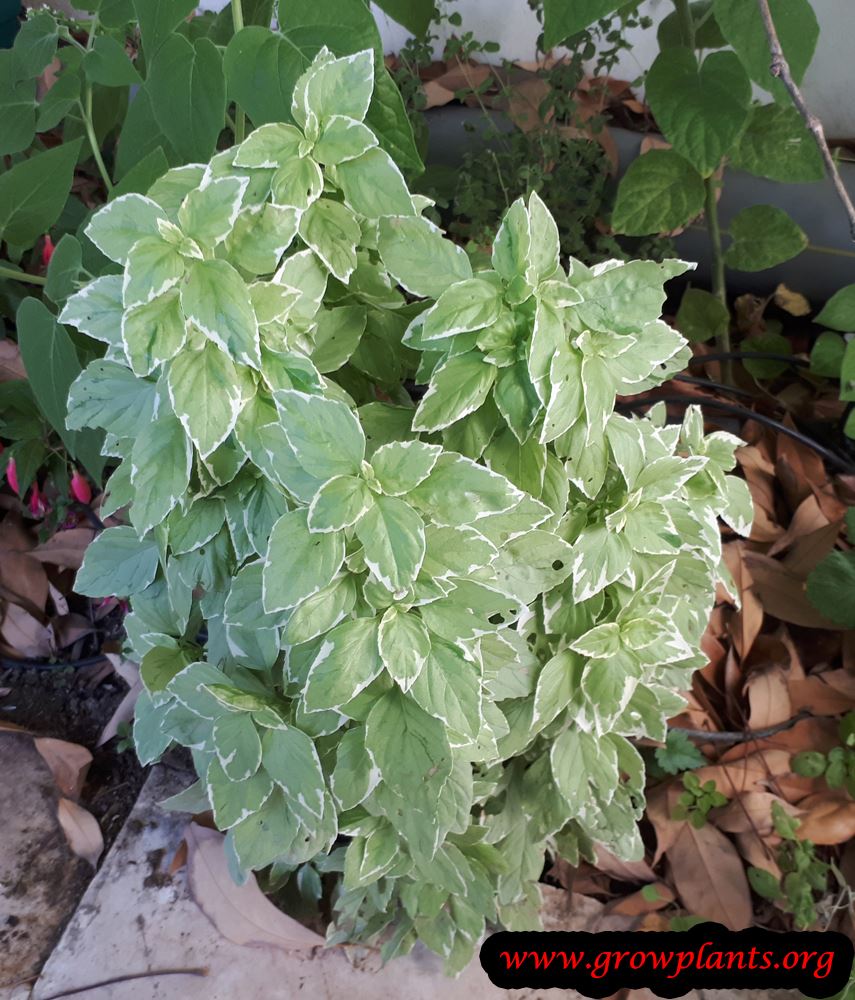
There's something incredibly satisfying about creating a dish from scratch, especially when you've nurtured the ingredients yourself. Imagine the vibrant flavors of homemade pesto, made with basil you've carefully grown in your own garden or even on your windowsill! Growing your own pesto basil is not only rewarding but also surprisingly easy. Let's dive into the simple steps to cultivate your own bountiful supply of this fragrant herb.
How To Grow Pesto Basil: A Comprehensive Guide
Choosing the Right Basil Variety for Pesto
Not all basil is created equal when it comes to making the perfect pesto! While many basil varieties exist,Genovese basil is the undisputed king for authentic, flavorful pesto. Its large, tender leaves possess the ideal balance of sweetness and peppery notes that make pesto sing. Other varieties, such as lemon basil or Thai basil, have distinct flavor profiles that might not be what you're after in a traditional pesto.
Here's a quick rundown of popular basil varieties and their suitability for pesto:
- Genovese Basil: The classic choice for authentic pesto.
- Italian Large Leaf Basil: A good substitute if Genovese is unavailable. Has a similar flavor profile and large leaves, making it great for big batches of pesto.
- Purple Basil: Adds a beautiful color to pesto, but the flavor is slightly different and may require adjustments to the recipe.
- Lemon Basil/Thai Basil: These are best used in other culinary applications due to their unique, non-traditional flavors.
Before you even think about planting, make sure you're starting with the right type of basil. You'll thank yourself later when you're enjoying the fruits (or rather, leaves!) of your labor.
Starting Your Pesto Basil Seeds
You have two main options when starting your pesto basil: growing from seeds or purchasing seedlings. Starting from seeds gives you more control over the process and can be more cost-effective, while seedlings provide a head start.
Starting Basil Seeds Indoors
Starting seeds indoors is ideal if you live in an area with a short growing season or want to get a jump start on your harvest.
- Timing: Start seeds 6-8 weeks before the last expected frost in your area.
- Materials: You'll need seed starting trays, seed starting mix (not regular potting soil), a spray bottle, and a heat mat (optional).
- Sowing: Moisten the seed starting mix and fill the trays. Sow seeds about ¼ inch deep, placing 2-3 seeds per cell. Gently cover with soil.
- Watering: Mist the soil with a spray bottle to keep it moist but not soggy. Overwatering can lead to damping off, a fungal disease that kills seedlings.
- Warmth: Basil seeds germinate best at temperatures between 70-80°F (21-27°C). A heat mat can help maintain this temperature.
- Light: Once seedlings emerge, provide them with plenty of light. A sunny windowsill might not be enough, so consider using grow lights. Aim for 14-16 hours of light per day.
Direct Sowing Basil Seeds Outdoors
Direct sowing is a simpler method, but it requires warmer temperatures and careful monitoring.
- Timing: Sow seeds after the last frost when the soil temperature is consistently above 60°F (15°C).
- Location: Choose a sunny spot with well-drained soil.
- Preparation: Prepare the soil by loosening it and adding compost or other organic matter.
- Sowing: Sow seeds about ¼ inch deep, spacing them 12-18 inches apart.
- Watering: Keep the soil consistently moist until seedlings emerge.
- Thinning: Once seedlings have a few true leaves, thin them to the strongest plant in each location.
Whether you start indoors or out, patience is key! Basil seeds typically germinate within 5-10 days. Be vigilant about watering and providing adequate light.
Planting and Caring for Your Pesto Basil Plants
Once your seedlings are large enough to handle (about 2-3 inches tall) and the weather is warm enough, it's time to transplant them into their final home.
Choosing the Right Location
Basil thrives infull sun, requiring at least 6-8 hours of direct sunlight per day. Choose a location with well-drained soilthat is rich in organic matter. Avoid areas with heavy clay soil or standing water.
Preparing the Soil
Before planting, amend the soil with compost or well-rotted manure to improve drainage and fertility. Basil prefers a slightly acidic to neutral soil p H (6.0-7.5).
If you're growing in containers, use a high-quality potting mix. Make sure the container has drainage holes to prevent waterlogging.
Transplanting Seedlings
Gently remove the seedlings from their trays or containers, being careful not to damage the roots. Plant them at the same depth they were growing in their previous container, spacing them 12-18 inches apart. Water thoroughly after planting.
Watering and Fertilizing
Basil needs consistent moisture, especially during hot weather. Water deeply when the top inch of soil feels dry to the touch. Avoid overhead watering, as this can lead to fungal diseases.
Feed your basil plants with a balanced organic fertilizer every 2-3 weeks. Look for a fertilizer that is rich in nitrogen, which promotes leafy growth. Fish emulsion or compost tea are excellent options.
I found that thisGarden Hose 75 FT with 10-Function Nozzle is perfect for my garden and I use thisleak-proof metal connector water hose everyday for tending to my plants:https://amzn.to/3Yv E0Bo.
Harvesting and Pruning Your Pesto Basil
Regular harvesting is crucial for encouraging bushy growth and preventing your basil from flowering. Once basil flowers, the leaves become bitter and less flavorful.
When to Harvest
Start harvesting basil leaves when the plants are about 6-8 inches tall. The best time to harvest is in the morning, after the dew has dried but before the heat of the day sets in. This is when the leaves have the highest concentration of essential oils and the best flavor.
How to Harvest
Use sharp scissors or pruning shears to cut stems just above a leaf node (where leaves grow from the stem). This will encourage the plant to branch out and produce more leaves.
Avoid removing more than one-third of the plant at any one time, as this can stress the plant and reduce its growth.
Pinching Off Flowers
As soon as you see flower buds forming, pinch them off immediately. This will keep the plant focused on producing leaves.
Succession Planting
To ensure a continuous supply of pesto basil throughout the growing season, consider succession planting. Sow seeds or plant new seedlings every 2-3 weeks.
Troubleshooting Common Pesto Basil Problems
Even with the best care, your basil plants may encounter some problems. Here are some common issues and how to address them:
- Yellowing Leaves: This can be caused by overwatering, underwatering, nutrient deficiencies, or pests. Check the soil moisture and adjust watering accordingly. Fertilize with a balanced fertilizer. Inspect the leaves for signs of pests.
- Brown Spots: These can be caused by fungal diseases or pests. Improve air circulation around the plants and avoid overhead watering. Apply an organic fungicide if necessary.
- Aphids: These tiny insects suck the sap from plants, causing them to weaken and become distorted. Spray aphids with a strong stream of water or apply insecticidal soap.
- Slugs and Snails: These pests can devour basil leaves overnight. Handpick them off the plants or use traps to control them.
By paying attention to your basil plants and addressing any problems promptly, you can ensure a healthy and productive harvest.
Making the Perfect Pesto
Now that you've successfully grown your own pesto basil, it's time to put it to good use! Here's a basic recipe for traditional Genovese pesto:
Pesto Ingredients
- 2 cups fresh basil leaves
- 1/4 cup pine nuts
- 2 cloves garlic
- 1/2 cup grated Parmesan cheese
- 1/4 cup grated Pecorino Romano cheese (optional)
- 1/2 cup olive oil
- Salt and pepper to taste
Instructions
- Combine the basil leaves, pine nuts, and garlic in a food processor.
- Pulse until finely chopped.
- Add the Parmesan and Pecorino Romano cheeses.
- Pulse until combined.
- With the food processor running, slowly drizzle in the olive oil until the pesto is smooth and creamy.
- Season with salt and pepper to taste.
Enjoy your homemade pesto on pasta, sandwiches, pizza, or as a dip for vegetables. The possibilities are endless!