Picture this: you’re making a delicious pesto, but you're out of fresh basil! A quick trip to the grocery store solves the problem, but what if you could extend the life of that store-bought basil and create an endless supply? The good news is, with a little know-how, you absolutely can! Growing Basil From Store-Bought: A Complete Guide So, can you really grow basil from store bought bunches? Absolutely! It's a fantastic way to save money, reduce waste, and enjoy fresh basil whenever you need it. However, the success of growing basil from store bought depends on a few key factors. This article will walk you through the entire process, from selecting the right basil to harvesting your homegrown leaves. We'll cover everything you need to know to successfully propagate basil from your grocery store haul. Selecting the Right Store-Bought Basil for Propagation Not all store-bought basil is created equal when it comes to propagation. To increase your ...
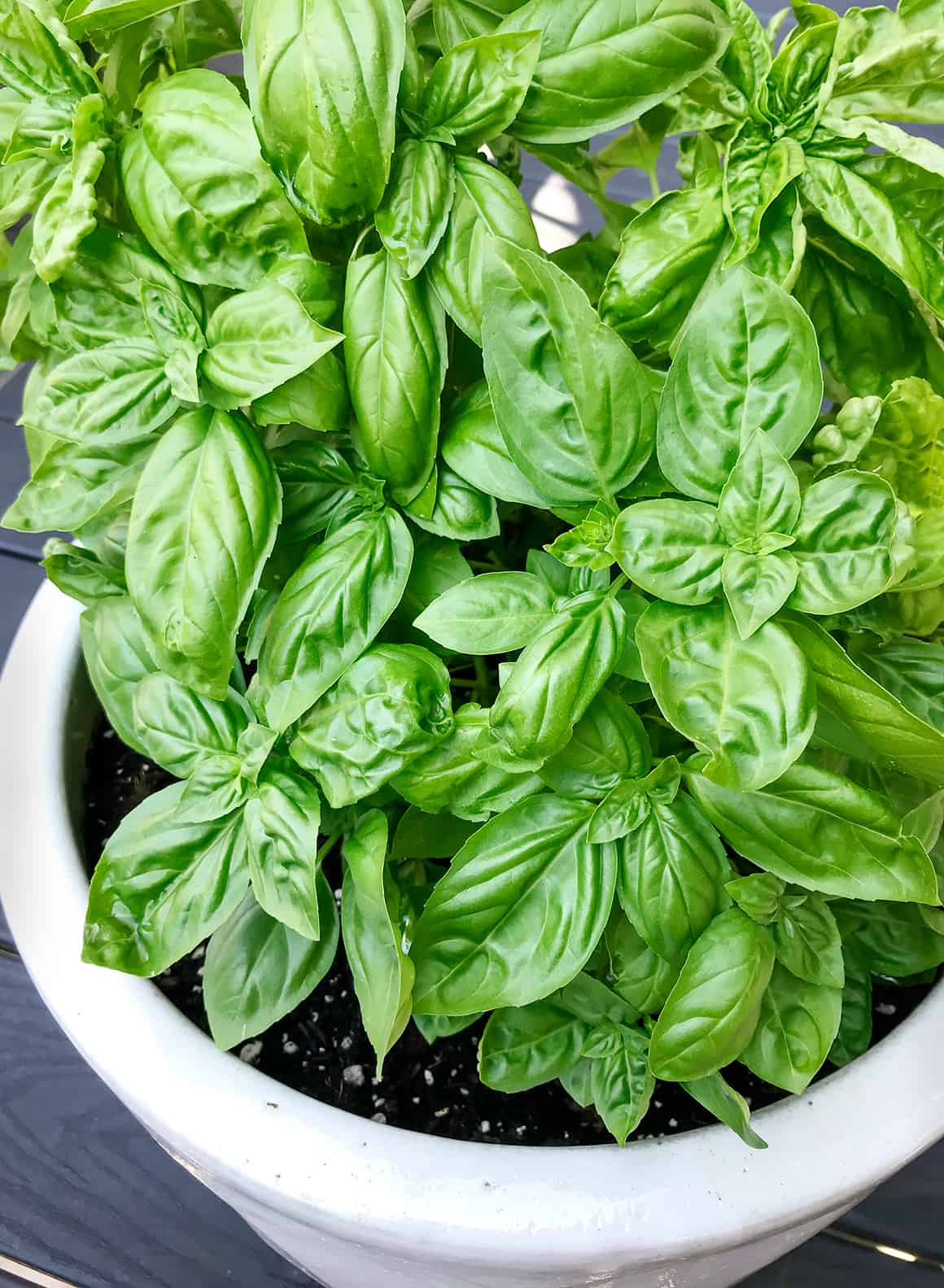
Basil, with its fragrant leaves and culinary versatility, is a favorite herb for many home gardeners. But a common question arises: Will basil grow back every year, or is it an annual that needs replanting? The answer, like many things in the gardening world, is nuanced and depends on several factors.
Will Basil Plants Grow Back Every Year? Understanding Basil's Nature
The simple answer is generallyno, basil plants typically do not grow back every year if you're living in a climate with cold winters. Basil is considered anannual herb, meaning it completes its life cycle in a single growing season. It sprouts from seed, grows vigorously, flowers, produces seeds, and then dies. This cycle is triggered by changes in daylight hours and temperature.
However, there are exceptions to this rule, and certain conditions can allow basil to return in subsequent years. Let's delve deeper into the factors that determine whether your basil will make a comeback.
Basil's Natural Life Cycle
Understanding basil's inherent life cycle is crucial to determining its potential for perennial growth. Annual plants, like basil, are genetically programmed to prioritize reproduction within a single year. They allocate significant energy to flowering and seed production, which ultimately leads to the plant's demise. This process is often triggered by shorter days and cooler temperatures, signaling the end of the growing season.
Basil is sensitive to frost and freezing temperatures. Even a light frost can kill a basil plant. In regions with cold winters, the plant will not survive the winter months outdoors. The entire plant, including the roots, will succumb to the cold.
Climate Considerations: Hardiness Zones and Basil's Survival
Thehardiness zone of your location plays a significant role in whether basil will grow back. Hardiness zones are geographical areas defined by average minimum winter temperatures. Basil thrives in warm climates and is generally hardy in USDA zones 10-11, where temperatures rarely dip below freezing. In these frost-free zones, basil has a much higher chance of surviving the winter and regrowing in the spring.
Even in slightly cooler zones (like zone 9), you might get lucky and see your basil return if you provide adequate protection during the colder months. This might involve covering the plant with a frost blanket or moving it indoors. But, even with protection, it's not a guarantee.
Overwintering Basil: Strategies for Success
While basil is an annual, there are methods to try andoverwinter your basil plant, increasing the chances of it growing back the following year. These methods focus on protecting the plant from the harsh conditions that would otherwise kill it.
Bringing Basil Indoors
One of the most effective ways to ensure your basil survives the winter is to bring it indoors. Before the first frost, dig up your basil plant carefully, ensuring you get as much of the root system as possible. Pot the plant in a container with well-draining potting mix. Place the pot in a sunny location, such as a south-facing window. Supplement with grow lights if necessary, as indoor light levels are often lower than outdoor levels. Water regularly, but avoid overwatering, which can lead to root rot. Keep the plant away from drafts and sources of cold air. While in dormancy the plant will not require frequent hydration.
Taking Basil Cuttings
Another approach is to take cuttings from your basil plant and root them indoors. This involves cutting a stem from the plant just below a leaf node and placing it in water until roots develop. Once the roots are established, plant the cutting in a pot with potting mix. This method allows you to propagate new basil plants from your existing one, ensuring you have basil to enjoy even if the original plant doesn't survive the winter. This can also be done year round, not just during the transition to winter.
Protecting Basil Outdoors
In milder climates, you can try to protect your basil plant outdoors. Cover the plant with a frost blanket or a cold frame when temperatures are expected to drop below freezing. Mulch around the base of the plant to insulate the roots. However, this method is less reliable than bringing the plant indoors, and it's only likely to be successful in areas with very mild winters.
Factors Influencing Whether Your Basil Plant Will Grow Back
Besides climate, several other factors can influence whether your basil plant will grow back. Consider these variables for better results.
- Basil Variety: Some basil varieties are more cold-hardy than others. For example, some cultivars of African Blue Basil are known to be more perennial in warmer climates.
- Plant Health: A healthy and vigorous basil plant is more likely to survive the winter than a weak or stressed one. Ensure your basil plant is well-nourished and free from pests and diseases.
- Soil Conditions: Well-drained soil is essential for basil's survival. Soggy soil can lead to root rot, which can kill the plant.
- Watering Practices: Avoid overwatering, especially during the winter months when the plant's growth slows down.
- Pruning: Regular pruning can encourage bushier growth and prevent the plant from flowering too early. Removing flower heads will redirect the plant's energy back into leaf production.
Speaking of maintaining a healthy garden, sometimes you need the right tools to make the job easier. Consider this75 FT Garden Hose with a 10-Function Nozzle, it's designed to be leak-proof and kink-free, making watering your basil and other plants a breeze. With its lightweight and durable construction, this water hose ensures efficient and hassle-free gardening. You can find this amazing product here:https://amzn.to/3Yv E0Bo.
Case Studies and Examples
Let's look at a few real-world examples to illustrate the principles discussed above.
- Case Study 1: Warm Climate Success: A gardener in Southern California (zone 10b) reported that their African Blue Basil plant has been growing for over three years. They provide minimal winter protection and prune the plant regularly.
- Case Study 2: Indoor Overwintering: A gardener in New York (zone 6a) successfully overwinters their Genovese basil plant indoors each year. They bring the plant inside before the first frost, place it under grow lights, and water it sparingly.
- Case Study 3: Frost Damage: A gardener in Texas (zone 8a) left their basil plant outdoors during an unexpected frost. The plant suffered significant damage and did not recover.
Tips for Encouraging Basil Regrowth
Even if your basil doesn't naturally grow back every year, there are things you can do to improve its chances of survival and encourage regrowth. Here are some practical tips:
- Choose the Right Variety: Opt for basil varieties that are known to be more cold-hardy or perennial, such as African Blue Basil or Thai Basil.
- Plant in a Protected Location: Plant your basil in a sheltered spot that is protected from wind and frost. A south-facing wall can provide extra warmth.
- Amend the Soil: Improve the soil drainage by adding compost or other organic matter. This will help prevent root rot.
- Mulch Heavily: Apply a thick layer of mulch around the base of the plant to insulate the roots and retain moisture.
- Prune Regularly: Prune your basil plant regularly to encourage bushier growth and prevent it from flowering too early.
- Provide Adequate Water: Water your basil plant deeply but infrequently, allowing the soil to dry out slightly between waterings.
- Fertilize Sparingly: Avoid over-fertilizing, as this can lead to leggy growth and make the plant more susceptible to cold damage.
- Monitor for Pests and Diseases: Keep an eye out for pests and diseases, and take action promptly to prevent them from spreading.
Conclusion: Embracing Basil's Annual Nature (or Challenging It!)
While basil is technically an annual, understanding its life cycle and employing the strategies outlined above can increase your chances of seeing it grow back each year. Whether you choose to bring your basil indoors, take cuttings, or provide outdoor protection, remember that success depends on climate, variety, and diligent care. Even if your basil doesn't return, the joy of growing this fragrant herb is well worth the effort of replanting it each spring. So, enjoy the process, experiment with different methods, and savor the delicious flavor of homegrown basil!