Picture this: you’re making a delicious pesto, but you're out of fresh basil! A quick trip to the grocery store solves the problem, but what if you could extend the life of that store-bought basil and create an endless supply? The good news is, with a little know-how, you absolutely can! Growing Basil From Store-Bought: A Complete Guide So, can you really grow basil from store bought bunches? Absolutely! It's a fantastic way to save money, reduce waste, and enjoy fresh basil whenever you need it. However, the success of growing basil from store bought depends on a few key factors. This article will walk you through the entire process, from selecting the right basil to harvesting your homegrown leaves. We'll cover everything you need to know to successfully propagate basil from your grocery store haul. Selecting the Right Store-Bought Basil for Propagation Not all store-bought basil is created equal when it comes to propagation. To increase your ...
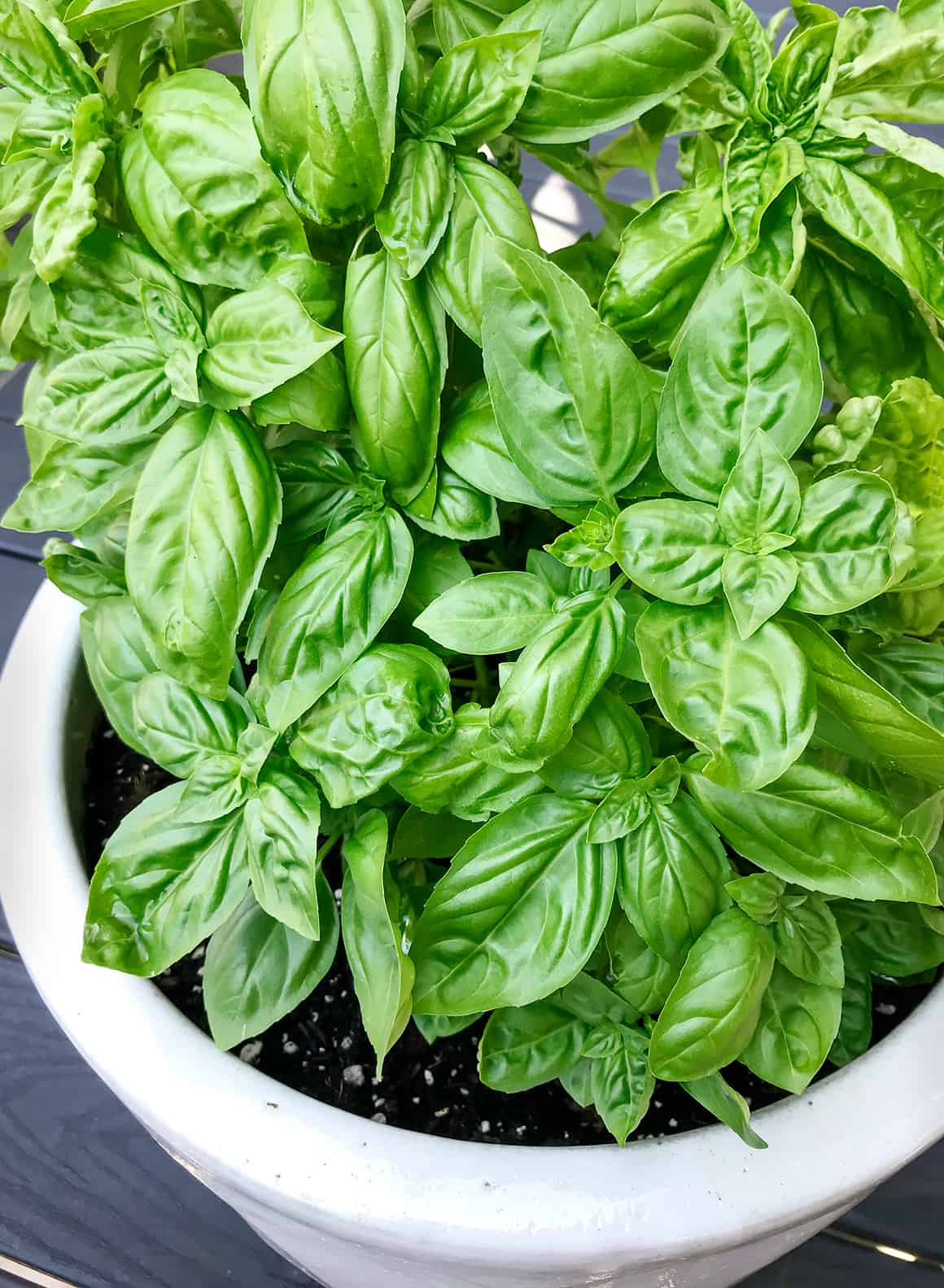
So, you've diligently sown your basil seeds, eagerly anticipating the fresh, fragrant leaves to elevate your summer dishes. You've nurtured them carefully, providing sunlight and water, only to be met with disappointment. Your basil seedlings are growing, yes, but they're stubbornly refusing to develop those characteristic "true leaves" that signal maturity. What's going on? Don't worry, you're not alone! This is a common frustration for many gardeners, and thankfully, there are several reasons why your basil isn't producing true leaves – and more importantly, solutions to get your plants thriving.
Why Your Basil Seedlings Aren't Developing True Leaves
The journey of a basil seed to a mature, leafy plant involves several stages. The first leaves that emerge are calledcotyledons, or seed leaves. These are simple, embryonic leaves that provide initial nourishment to the seedling. They look quite different from the "true leaves" which will eventually grow and possess the classic basil shape and scent. The absence of these true leaves can point to a few key issues that need to be addressed. Let's dive into these reasons:
Insufficient Light: The Most Common Culprit
Basil, like most herbs, is a sun-loving plant. It needs ample light to photosynthesize effectively and develop those essential true leaves. When seedlings don't receive enough light, they often becomeleggy(tall and spindly) and fail to produce true leaves. They're essentially stretching towards the light source, expending their energy on vertical growth rather than leaf development.
What to do:
- Provide at least 6-8 hours of direct sunlight per day. If you're growing indoors, a south-facing window is ideal.
- Supplement with grow lights. If natural light is insufficient, invest in a grow light. Position it a few inches above the seedlings and ensure it provides a full spectrum of light.
- Rotate your seedlings regularly. This ensures even light exposure on all sides, preventing them from leaning excessively towards the light source.
Nutrient Deficiency: Fueling Growth, or Lack Thereof
While young seedlings don't require heavy feeding, a lack of essential nutrients can certainly stunt their growth and prevent the development of true leaves. This is especially true if you are using a soil-less seed starting mix, as these mixes provide very little nutrients. Look for signs ofyellowing leaves(especially older ones) which can be an indicator of nitrogen deficiency. Pale green or purple leaves can also indicate nutrient deficiencies.
What to do:
- Use a balanced fertilizer. Once your seedlings have developed a set of true leaves (even if they are delayed), begin feeding them with a diluted, balanced liquid fertilizer (e.g., 10-10-10) every two weeks.
- Consider a soil test. If you're growing in soil, a soil test can help identify any specific nutrient deficiencies.
- Don't over-fertilize. Too much fertilizer can be just as harmful as too little. Follow the instructions on the fertilizer label carefully.
Improper Watering: A Delicate Balance
Both overwatering and underwatering can hinder basil seedling growth and prevent true leaf development. Overwatering can lead to root rot, which inhibits the plant's ability to absorb nutrients. Underwatering, on the other hand, deprives the seedlings of the moisture they need for photosynthesis and growth.
What to do:
- Water when the top inch of soil is dry. Use your finger to check the moisture level.
- Ensure proper drainage. Make sure your containers have drainage holes to prevent waterlogging.
- Water deeply but infrequently. When you do water, soak the soil thoroughly until water drains from the bottom of the container.
- Avoid overhead watering. This can promote fungal diseases. Instead, water at the base of the plant.
Temperature Stress: Finding the Sweet Spot
Basil prefers warm temperatures. Both excessively cold and excessively hot conditions can stress the seedlings and inhibit true leaf development. Cold temperatures can slow down growth, while high temperatures can lead to wilting and dehydration.
What to do:
- Maintain a temperature between 65-85°F (18-29°C). This is the ideal temperature range for basil growth.
- Protect seedlings from cold drafts. Avoid placing them near drafty windows or doors.
- Provide shade during the hottest part of the day. If you're growing outdoors in a hot climate, provide some afternoon shade to prevent heat stress.
Seed Quality & Age: Starting Strong
Sometimes, the problem lies with the seeds themselves. Old or low-quality seeds may have reduced viability, meaning they may germinate poorly or produce weak seedlings that struggle to develop true leaves. Always purchase seeds from a reputable source and check the expiration date.
What to do:
- Use fresh, high-quality seeds. Purchase seeds from a reputable supplier.
- Check the germination rate. You can test the germination rate by placing a few seeds on a damp paper towel and observing how many sprout.
- Consider starting more seeds than you need. This increases your chances of having enough healthy seedlings.
Troubleshooting: A Step-by-Step Approach
If you're experiencing basil not growing true leaves, follow these steps to troubleshoot the problem:
- Assess the light: Are your seedlings receiving enough light? Move them to a sunnier location or supplement with grow lights.
- Check the soil moisture: Is the soil too wet or too dry? Adjust your watering schedule accordingly.
- Evaluate the temperature: Are your seedlings being exposed to extreme temperatures? Provide protection from cold or heat.
- Consider nutrient deficiencies: Have you fertilized your seedlings? If not, start with a diluted, balanced fertilizer.
- Examine the seeds: Were your seeds fresh and high-quality? If not, consider starting new seeds.
Promoting Growth: Tips and Tricks
Once you've addressed the potential issues, here are some tips to promote healthy basil seedling growth and encourage the development of true leaves:
- Prune the cotyledons: Once the true leaves start to develop, you can carefully prune away the cotyledons. This redirects the plant's energy towards true leaf growth.
- Pinch off flower buds: If you notice any flower buds forming on your seedlings, pinch them off. This encourages vegetative growth (leaf production) rather than reproductive growth (flowering).
- Provide good air circulation: Good air circulation helps prevent fungal diseases and promotes overall plant health.
In conclusion, seeing yourbasil not growing true leaves can be frustrating, but understanding the potential causes and implementing the right solutions can help you get your seedlings back on track. Remember to provide ample light, proper watering, adequate nutrients, and suitable temperatures. With a little patience and care, you'll soon be enjoying a bountiful harvest of fresh, fragrant basil leaves.
Speaking of a bountiful harvest, having the right tools can make all the difference! For easy watering around your garden, consider upgrading to a more versatile option. This garden equipment comes with a multi-functional nozzle and is built to last. Check out this durable, kink-free, and easy-to-use Garden Hose 75 FT with 10-Function Nozzle! The leak-proof metal connectors and wear-resistant construction, this water-delivery system is perfect for keeping your basil and other plants hydrated: https://amzn.to/3Yv E0Bo