Picture this: you’re making a delicious pesto, but you're out of fresh basil! A quick trip to the grocery store solves the problem, but what if you could extend the life of that store-bought basil and create an endless supply? The good news is, with a little know-how, you absolutely can! Growing Basil From Store-Bought: A Complete Guide So, can you really grow basil from store bought bunches? Absolutely! It's a fantastic way to save money, reduce waste, and enjoy fresh basil whenever you need it. However, the success of growing basil from store bought depends on a few key factors. This article will walk you through the entire process, from selecting the right basil to harvesting your homegrown leaves. We'll cover everything you need to know to successfully propagate basil from your grocery store haul. Selecting the Right Store-Bought Basil for Propagation Not all store-bought basil is created equal when it comes to propagation. To increase your ...
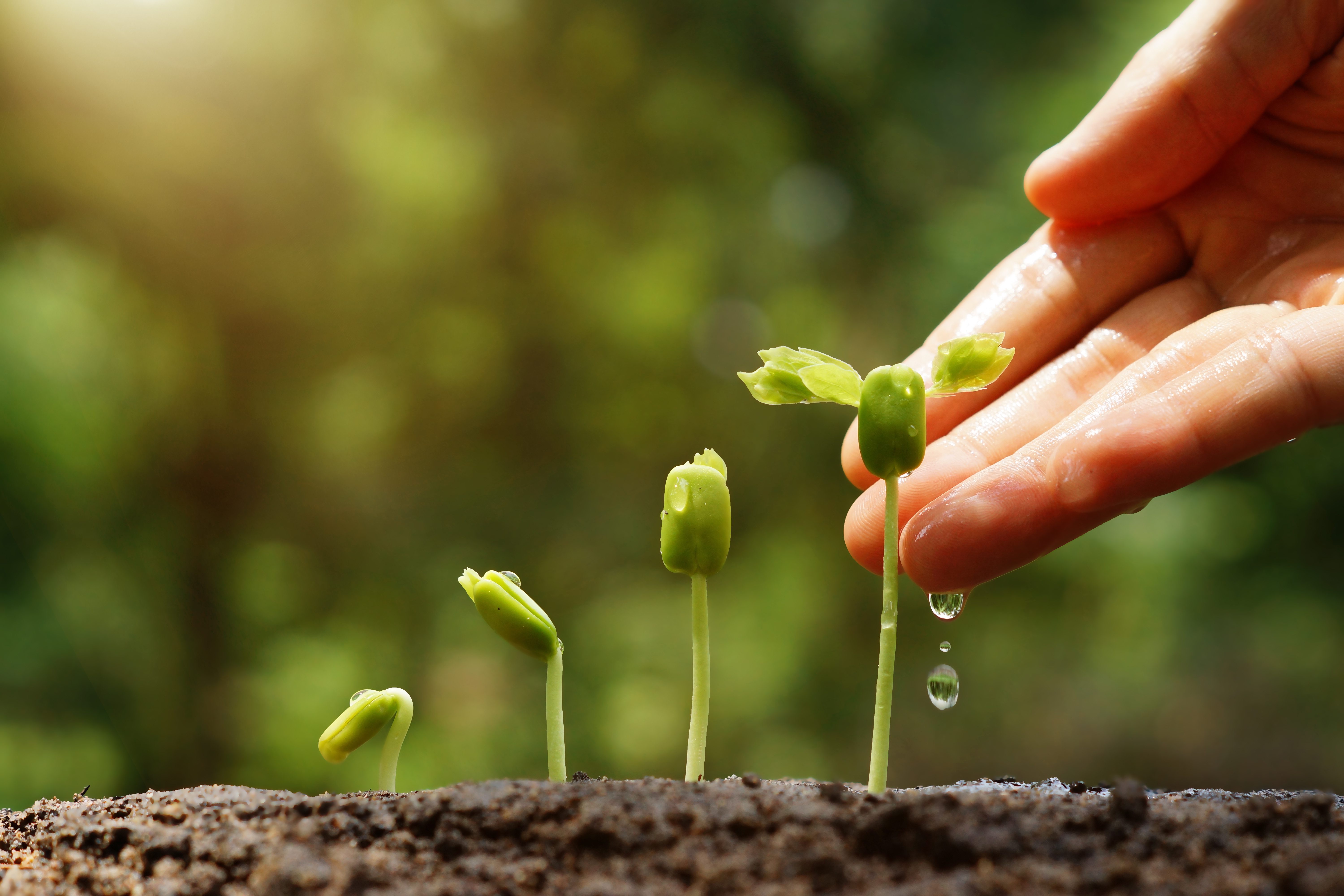
Imagine stepping into your garden, the air thick with the spicy-sweet fragrance of Thai Holy Basil. It's more than just an herb; it's a sensory experience, a culinary adventure, and a connection to ancient traditions, all waiting to unfold right in your backyard. Growing Thai Holy Basil isn't just about adding an ingredient to your pantry; it's about embracing a piece of Southeast Asian culture and bringing its vibrant flavors into your home.
Growing Thai Holy Basil: A Comprehensive Guide
Understanding Thai Holy Basil (Ocimum tenuiflorum)
Thai Holy Basil, also known as Tulsiin India, is a revered herb in both culinary and religious contexts. It's a member of the Lamiaceaefamily, which also includes mint, oregano, and rosemary. Unlike sweet basil, which is commonly used in Italian cuisine, Thai Holy Basil boasts a peppery, slightly licorice-like flavor with hints of clove. There are two main varieties: Rama Tulsi (green leaves and stem) and Krishna Tulsi (purple leaves and stem), with Krishna Tulsi typically possessing a stronger flavor and more potent medicinal properties. Understanding the nuances of these varieties is the first step in successfully*growing Thai Holy Basil.
Distinguishing Thai Holy Basil from Other Basils
One common mistake is confusing Thai Holy Basil with Thai Basil (Ocimum basilicum var. thyrsiflora), another popular herb in Southeast Asian cooking. While both share a vaguely anise-like aroma, they are distinct. Thai Basil has a bolder, more pronounced anise flavor and is typically used fresh in dishes like pho and stir-fries. Thai Holy Basil, on the other hand, is often cooked and used in dishes where its more subtle, complex flavor can shine. The leaves of Thai Holy Basil are also generally smaller and have a slightly fuzzy texture compared to the smoother, larger leaves of Thai Basil. Pay close attention to the seed packet descriptions or plant labels to ensure you're getting the right variety if your goal is togrow Holy Basil.
Starting Your Thai Holy Basil Journey: Seed or Seedling?
You have two primary options when embarking on yourgrow Thai Holy Basil adventure: starting from seed or purchasing established seedlings. Each approach has its advantages and disadvantages.
Growing Holy Basil from Seed
Starting from seed allows you to have greater control over the entire growing process, from soil selection to environmental conditions. It's also a more economical option, especially if you plan togrow Thai Holy Basil in large quantities. However, it requires more patience and attention to detail.
- When to Start: Start seeds indoors 6-8 weeks before the last expected frost.
- Seed Starting Mix: Use a well-draining seed starting mix.
- Sowing Seeds: Sow seeds thinly on the surface of the soil, gently pressing them in. Basil seeds need light to germinate.
- Moisture: Keep the soil consistently moist but not waterlogged. Use a spray bottle to mist the surface.
- Warmth: Maintain a soil temperature of 70-80°F (21-27°C). Use a heat mat if necessary.
- Light: Provide bright, indirect light. Once seedlings emerge, provide 14-16 hours of light per day.
- Transplanting: Once seedlings have developed several sets of true leaves and the danger of frost has passed, transplant them outdoors into well-draining soil.
Growing Holy Basil from Seedlings
Purchasing seedlings from a local nursery or garden center offers a quicker and easier start. You'll have established plants that are already accustomed to their environment. However, this option can be more expensive, and you may have less control over the specific variety you're getting.
- Selection: Choose healthy-looking seedlings with vibrant green leaves and sturdy stems. Avoid plants that are wilted, yellowed, or show signs of pests or diseases.
- Acclimation: Before transplanting seedlings outdoors, gradually acclimate them to outdoor conditions over a period of 7-10 days. This process, known as "hardening off," helps them adjust to the sun, wind, and temperature fluctuations.
- Planting: Plant seedlings in well-draining soil, spacing them 12-18 inches apart.
Optimal Growing Conditions for Thriving Thai Holy Basil Plants
To ensure your Thai Holy Basil plants flourish, it's crucial to provide them with the right growing conditions. These include sunlight, soil, water, and temperature.
Sunlight Requirements
Thai Holy Basil thrives in full sun, requiring at least 6-8 hours of direct sunlight per day. Insufficient sunlight can lead to leggy growth, reduced flavor intensity, and increased susceptibility to diseases. If you'regrowing Thai Holy Basil indoors, provide supplemental lighting with grow lights.
Soil Preferences
Well-draining soil is essential for Thai Holy Basil. The plant cannot tolerate soggy roots, which can lead to root rot. Amend heavy clay soil with compost, aged manure, or other organic matter to improve drainage. A slightly acidic to neutral soil p H (6.0-7.5) is ideal. Conduct a soil test to determine your soil's p H and nutrient levels.
Watering Techniques
Water your Thai Holy Basil plants regularly, especially during hot, dry weather. Allow the soil to dry out slightly between waterings. Avoid overwatering, which can lead to root rot. Water deeply at the base of the plant, avoiding wetting the foliage. Using a soaker hose or drip irrigation system can help deliver water directly to the roots.
While maintaining your garden, having a reliable water source is crucial. Consider using a high-qualitygarden hose with a 10-function nozzle for efficient watering and versatile use. You can find one here: https://amzn.to/3Yv E0Bo.
Temperature and Humidity
Thai Holy Basil is a warm-weather herb that thrives in temperatures between 70-90°F (21-32°C). It is sensitive to frost and should be protected from freezing temperatures. While it can tolerate moderate humidity, excessive humidity can promote fungal diseases. Ensure good air circulation around the plants to prevent moisture buildup. Ifgrowing Thai Holy Basil indoors, you can increase humidity by using a humidifier or placing the plants on a tray filled with water and pebbles.
Caring for Your Thai Holy Basil: Maintenance and Harvesting
Proper care is essential for maintaining healthy and productive Thai Holy Basil plants. This includes fertilizing, pruning, and pest and disease control.
Fertilizing
Thai Holy Basil benefits from regular fertilization, especially during the growing season. Use a balanced organic fertilizer or compost tea to provide essential nutrients. Avoid over-fertilizing, which can lead to excessive foliage growth at the expense of flavor. Follow the fertilizer instructions carefully.
Pruning and Pinching
Pruning and pinching are essential for encouraging bushy growth and preventing your Thai Holy Basil plant from flowering too early. When the plant is young, pinch off the top sets of leaves to encourage lateral branching. As the plant matures, prune back stems regularly to maintain a compact shape and promote new growth. Remove any flower spikes as soon as they appear, as flowering will reduce leaf production and flavor intensity.
Pest and Disease Management
Thai Holy Basil is generally resistant to pests and diseases, but it can be susceptible to aphids, spider mites, and fungal diseases in humid conditions. Inspect your plants regularly for signs of infestation or disease. Treat infestations with insecticidal soap or neem oil. Prevent fungal diseases by ensuring good air circulation and avoiding overwatering. Remove any diseased leaves or stems promptly.
Harvesting and Using Your Fresh Thai Holy Basil
Harvesting Thai Holy Basil is simple and rewarding. Once your plants are established, you can begin harvesting leaves as needed. The best time to harvest is in the morning, after the dew has dried. Use scissors or pruning shears to cut stems just above a leaf node. This will encourage new growth and branching.
Culinary Uses
Thai Holy Basil is a versatile herb with a wide range of culinary applications. It can be used fresh or dried in soups, stews, curries, stir-fries, and teas. Its peppery, slightly licorice-like flavor adds a unique dimension to Southeast Asian dishes. It's also commonly used in herbal medicines and traditional remedies.
Beyond the Kitchen
Beyond its culinary uses, Thai Holy Basil has a rich history of medicinal and spiritual significance. In Ayurvedic medicine, it is considered an adaptogen, helping the body cope with stress and promote overall well-being. It's often used in teas and tinctures for its purported health benefits, including reducing anxiety, boosting immunity, and improving respiratory health. Its fragrant leaves are also used in aromatherapy to promote relaxation and mental clarity.