Picture this: you’re making a delicious pesto, but you're out of fresh basil! A quick trip to the grocery store solves the problem, but what if you could extend the life of that store-bought basil and create an endless supply? The good news is, with a little know-how, you absolutely can! Growing Basil From Store-Bought: A Complete Guide So, can you really grow basil from store bought bunches? Absolutely! It's a fantastic way to save money, reduce waste, and enjoy fresh basil whenever you need it. However, the success of growing basil from store bought depends on a few key factors. This article will walk you through the entire process, from selecting the right basil to harvesting your homegrown leaves. We'll cover everything you need to know to successfully propagate basil from your grocery store haul. Selecting the Right Store-Bought Basil for Propagation Not all store-bought basil is created equal when it comes to propagation. To increase your ...
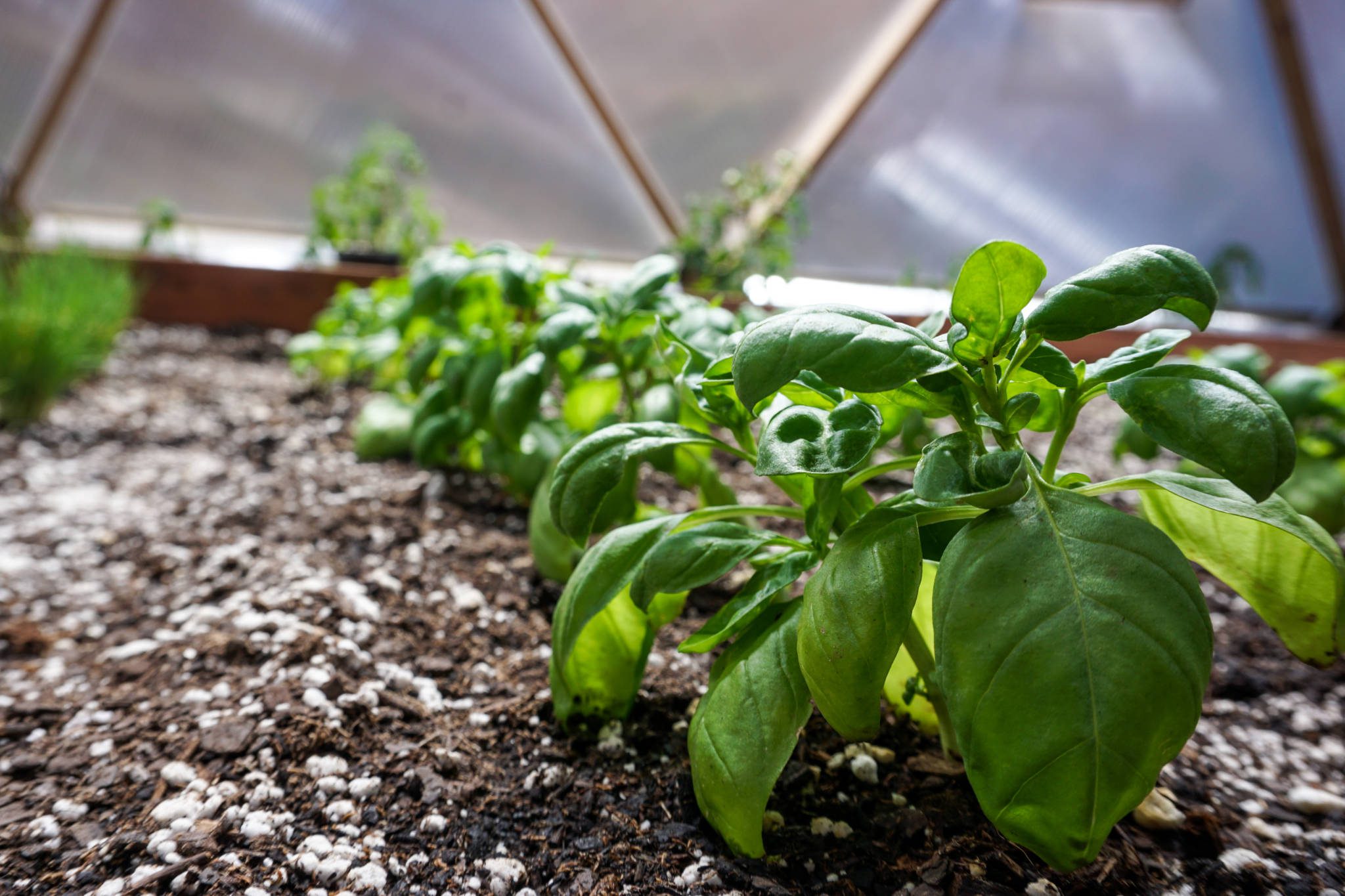
There's nothing quite like the aroma of fresh basil wafting through the garden. It's a signal of summer, a promise of delicious pesto, and a beautiful addition to any outdoor space. Growing your own basil is surprisingly easy and rewarding, even for beginner gardeners. Let's dive into the world of basil cultivation and unlock the secrets to a thriving basil patch right in your own backyard.
Growing Basil In Your Garden: A Complete Guide
Basil, scientifically known as Ocimum basilicum, is a tender annual herb cherished for its fragrant leaves and culinary versatility. Originating from Southeast Asia, basil has become a staple in cuisines worldwide, particularly in Mediterranean and Italian dishes. But beyond its culinary uses, basil also offers several health benefits, including antioxidant and anti-inflammatory properties. Whether you're a seasoned gardener or just starting, growing basil in your garden is a rewarding experience that will elevate your cooking and add beauty to your outdoor space.
Choosing the Right Basil Variety For Your Garden
Basil isn't just one plant; it's a family with diverse flavors, sizes, and appearances. Selecting the right variety is key to achieving your desired culinary and aesthetic goals. Here’s a breakdown of some popular choices:
- Sweet Basil: The classic choice, with a familiar, slightly peppery flavor. Perfect for pesto, tomato sauces, and salads. Genovese basil is a popular cultivar of sweet basil, known for its large, flavorful leaves.
- Thai Basil: Features a licorice-like flavor with hints of anise. Ideal for Asian-inspired dishes, stir-fries, and soups. Thai basil has sturdy stems and holds up well in cooking.
- Lemon Basil: Offers a refreshing lemon scent and flavor. Use it in teas, salads, and seafood dishes. Lemon basil is also a beautiful ornamental plant with its delicate foliage.
- Purple Basil: Adds a vibrant color and a slightly spicier flavor to dishes. Perfect for salads, garnishes, and vinegars. Dark Opal and Red Rubin are popular cultivars of purple basil.
- Globe Basil: A compact variety with a mild flavor, ideal for small gardens and containers. Its small, rounded leaves make it a visually appealing plant.
When selecting your basil variety, consider your culinary preferences and the space available in your garden. Research different cultivars within each variety to find the perfect match for your needs.
Planting Basil: When and Where to Plant
Basil thrives in warm weather and requires specific conditions to flourish. Here’s what you need to know about planting basil:
Timing is Everything
Basil is a tender annual and sensitive to frost. Plant basil outdoors after the last frost, when the soil has warmed to at least 50°F (10°C). In most regions, this is typically in late spring or early summer. Starting basil indoors 6-8 weeks before the last frost is a great way to get a head start.
Location, Location, Location
Basil needs at least 6-8 hours of sunlight per day to grow its best. Choose a location in your garden that receives plenty of sunlight throughout the day. Basil also prefers well-drained soil that is rich in organic matter. Avoid planting basil in areas with standing water or heavy clay soil.
Soil Preparation for Basil
Before planting, amend the soil with compost or other organic matter to improve drainage and fertility. Basil prefers a slightly acidic to neutral soil p H (6.0-7.5). You can test your soil p H with a soil testing kit and adjust it accordingly. Adding some well-rotted manure will also enrich the soil and provide essential nutrients for basil growth.
Planting Methods for Basil
You can grow basil from seeds or transplants. Here’s a comparison:
- Seeds: Sow seeds indoors in seed trays or directly outdoors after the last frost. Cover the seeds lightly with soil and keep them moist. Germination typically takes 5-10 days.
- Transplants: Purchase basil seedlings from a local nursery or garden center. Choose healthy plants with sturdy stems and vibrant green leaves. Space the plants 12-18 inches apart in the garden.
Whether you choose to start from seeds or transplants, be sure to handle the young plants gently to avoid damaging their delicate roots. Water the plants thoroughly after planting.
Caring for Your Basil Plants
Once your basil plants are established, proper care is essential to ensure healthy growth and abundant harvests. Here's a breakdown of the key aspects of basil care:
Watering Basil Properly
Basil needs consistent moisture to thrive. Water deeply and regularly, especially during hot and dry weather. Aim to keep the soil evenly moist but not waterlogged. Avoid overhead watering, as this can lead to fungal diseases. Watering in the morning is ideal, as it allows the foliage to dry before nightfall. In general, basil needs around 1 inch of water per week.
Fertilizing Basil
Basil benefits from regular fertilization, especially during the growing season. Use a balanced organic fertilizer or compost tea every 2-3 weeks. Avoid over-fertilizing, as this can lead to leggy growth and reduced flavor. A fertilizer with a higher nitrogen content can promote leafy growth. I find that using liquid kelp fertilizer is also a good option as it provides various nutrients for basil development.
Pruning and Harvesting Basil
Pruning and harvesting basil regularly encourages bushier growth and prevents the plant from flowering. Once basil starts to flower, the leaves can become bitter. To prune basil, pinch off the top sets of leaves above a leaf node. This will encourage the plant to branch out and produce more leaves. Harvest basil leaves as needed, starting with the largest leaves at the bottom of the plant. You can harvest up to one-third of the plant at a time without harming it.
Dealing with Pests and Diseases
Basil is generally resistant to pests and diseases, but it can be susceptible to certain problems, especially in humid conditions. Common pests include aphids, spider mites, and Japanese beetles. Diseases include fungal diseases such as downy mildew and fusarium wilt. Inspect your basil plants regularly for signs of pests or diseases. Treat infestations with insecticidal soap or neem oil. Prevent fungal diseases by providing good air circulation and avoiding overhead watering.
To ensure your basil receives the right amount of water, especially during those hot summer months, a reliable garden hose is essential. I've been using a75 FT Garden Hose with a 10-Function Nozzle and it's been a game-changer! The leak-proof metal connectors and kink-free design make watering a breeze. You can find it here: https://amzn.to/3Yv E0Bo. Having a good watering hose helps keep your basil happy, hydrated, and productive.
Common Problems When Growing Basil and How to Fix Them
Even with the best care, you might encounter some common problems when growing basil. Here’s how to troubleshoot them:
- Yellowing Leaves: This could be due to overwatering, underwatering, nutrient deficiency, or fungal disease. Adjust your watering habits, fertilize the plant, and inspect for signs of disease.
- Leggy Growth: This is often caused by insufficient sunlight or over-fertilizing. Move the plant to a sunnier location and reduce fertilizer application.
- Bitter Leaves: This usually happens when the plant starts to flower. Prune the flowers immediately to encourage leaf production.
- Pest Infestations: Inspect your plants regularly and treat infestations with appropriate methods.
- Fungal Diseases: Provide good air circulation and avoid overhead watering. Use fungicides if necessary.
Harvesting and Storing Your Basil
Harvesting basil at the right time and storing it properly will ensure that you can enjoy its flavor for as long as possible.
When to Harvest
Harvest basil leaves as needed, starting with the largest leaves at the bottom of the plant. Harvest before the plant starts to flower, as the leaves can become bitter after flowering. The best time to harvest basil is in the morning, after the dew has dried. This is when the leaves are at their most flavorful.
How to Store
There are several ways to store basil to preserve its flavor:
- Fresh: Store basil stems in a glass of water, like flowers, in the refrigerator. Cover the leaves loosely with a plastic bag. This will keep the basil fresh for several days.
- Dried: Dry basil leaves in a dehydrator or in a warm, dry place. Store dried basil in an airtight container in a cool, dark place.
- Frozen: Freeze basil leaves in ice cube trays with water or olive oil. This is a great way to preserve basil for use in soups, sauces, and stews.
- Pesto: Make pesto and freeze it in small portions. This is a delicious and convenient way to preserve the flavor of fresh basil.
Enjoying Your Homegrown Basil
Now that you've successfully grown your own basil, it's time to enjoy the fruits (or rather, leaves) of your labor. Basil is incredibly versatile in the kitchen. You can use it in countless dishes. Fresh basil is best added at the end of cooking to preserve its flavor. Experiment with different basil varieties and culinary creations. Growing basil in your garden is a rewarding experience that connects you with nature and provides you with fresh, flavorful ingredients for your culinary adventures.