Picture this: you’re making a delicious pesto, but you're out of fresh basil! A quick trip to the grocery store solves the problem, but what if you could extend the life of that store-bought basil and create an endless supply? The good news is, with a little know-how, you absolutely can! Growing Basil From Store-Bought: A Complete Guide So, can you really grow basil from store bought bunches? Absolutely! It's a fantastic way to save money, reduce waste, and enjoy fresh basil whenever you need it. However, the success of growing basil from store bought depends on a few key factors. This article will walk you through the entire process, from selecting the right basil to harvesting your homegrown leaves. We'll cover everything you need to know to successfully propagate basil from your grocery store haul. Selecting the Right Store-Bought Basil for Propagation Not all store-bought basil is created equal when it comes to propagation. To increase your ...
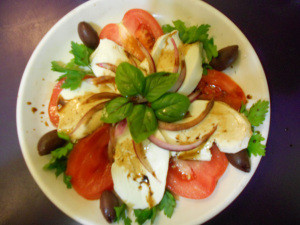
Imagine the aroma of fresh basil filling your kitchen, ready to be transformed into pesto, infused in oils, or simply sprinkled over your favorite dishes. For those of us living in the tropics, this dream can be a reality year-round! But growing sweet basil in the tropics presents its own unique set of challenges and opportunities. Let’s explore how to cultivate this culinary herb successfully in our warm and humid climate.
Growing Sweet Basil In The Tropics: A Comprehensive Guide
Understanding Sweet Basil's Needs in a Tropical Climate
Sweet basil (Ocimum basilicum) is a warm-weather herb that thrives in temperatures between 60°F and 80°F (15°C and 27°C). This makes the tropics seemingly ideal, but the reality is a bit more nuanced. High humidity, intense sunlight, and frequent heavy rainfall can all impact basil's growth. So, we need to tailor our approach.
The key to successful basil cultivation in the tropics is managing these factors. Basil needs plenty of sunlight, but too much direct sun can scorch its leaves, especially during the hottest part of the day. Humidity can encourage fungal diseases. And consistently wet soil can lead to root rot. Think of it like this, you need to provide the optimal environment while considering these things: Sunlight, Humidity, Rainfall.
Selecting the Right Basil Variety for Tropical Gardens
While sweet basil is the most common type, several varieties are well-suited for the tropics. Some exhibit greater disease resistance and heat tolerance. Here are a few worth considering:
- Genovese Basil: A classic choice, it's known for its strong flavor and large leaves, perfect for pesto.
- Thai Basil: With its anise-like flavor and purple stems, Thai basil is a staple in Southeast Asian cuisine and is relatively heat-tolerant.
- Lemon Basil: This variety offers a citrusy aroma and flavor, adding a unique twist to your dishes.
- African Blue Basil: A beautiful, ornamental variety that is also edible. It attracts pollinators and tolerates heat well.
Experimenting with different varieties is part of the fun! You might find a local favorite that thrives in your specific microclimate. Consider asking other local gardeners or your nearest agricultural extension office for their favorite varieties of sweet basil.
Preparing the Soil for Growing Basil in the Tropics
Well-draining soil is essential for basil, especially in humid tropical environments. Basil hates having "wet feet", or roots that are submerged in water for long periods. Here's how to prepare the perfect basil bed:
- Choose a location: Select a spot that receives at least 6 hours of sunlight daily but is sheltered from strong winds.
- Improve drainage: Amend heavy clay soils with organic matter like compost, well-rotted manure, or coconut coir. This improves drainage and aeration.
- Soil p H: Basil prefers a slightly acidic to neutral p H (6.0-7.5). Test your soil and adjust as needed with lime to raise the p H or sulfur to lower it.
- Raised beds: Consider growing basil in raised beds or containers to further improve drainage.
A good soil mix for tropical basil might consist of equal parts of garden soil, compost, and perlite or vermiculite. Don't be afraid to test different combinations to see what works best in your area.
Planting Basil: Seeds vs. Seedlings
You can start basil from seeds or purchase seedlings from a nursery. Each method has its advantages:
Starting from Seeds
Starting from seeds offers more control over the variety and can be more cost-effective. Sow seeds indoors 6-8 weeks before the last expected frost or directly into the garden after the soil has warmed up. Sow seeds about ¼ inch deep and keep the soil moist. Germination usually takes 5-10 days.
When transplanting seedlings, space them 12-18 inches apart. Be gentle when handling the delicate roots.
Using Seedlings
Buying seedlings is a quicker option, especially if you're short on time or don't have a suitable indoor growing setup. Choose healthy-looking seedlings with sturdy stems and vibrant green leaves. Avoid plants that appear leggy or have yellowing leaves.
Whether you start from seeds or seedlings, remember to harden off your plants before transplanting them outdoors. This involves gradually exposing them to outdoor conditions over a period of a week or two to help them acclimate.
Watering and Fertilizing Basil in Tropical Conditions
Watering is crucial for growing healthy basil. However, overwatering is a common mistake, especially in humid climates. Here are some tips:
- Water deeply but infrequently: Water when the top inch of soil feels dry to the touch. Avoid frequent, shallow watering, which can lead to root rot.
- Water in the morning: This allows the foliage to dry out during the day, reducing the risk of fungal diseases.
- Use drip irrigation or soaker hoses: These methods deliver water directly to the roots, minimizing leaf wetness.
Basil is a moderate feeder and benefits from regular fertilization. Use a balanced organic fertilizer, such as compost tea or fish emulsion, every 2-3 weeks. Avoid over-fertilizing, as this can lead to leggy growth and reduced flavor.
A well-nourished plant will not only grow stronger but also produce more flavorful leaves. Look for fertilizers specifically formulated for herbs, as they often contain the right balance of nutrients for optimal growth.
To keep your garden and growing basil thriving, consider investing in a reliable watering solution like a versatilegarden watering hose with a multi-function nozzle, such as the Garden Hose 75 FT with 10-Function Nozzle. Its leak-proof design and kink-free material will make watering a breeze, and you can find it here: https://amzn.to/3Yv E0Bo.
Pest and Disease Management for Sweet Basil
Tropical climates can be breeding grounds for pests and diseases that attack basil. Common pests include aphids, spider mites, and whiteflies. Fungal diseases like downy mildew and Fusarium wilt can also be problematic.
Pest Control Strategies:
- Regular inspection: Check your plants regularly for signs of pests or diseases. Early detection is key to preventing widespread problems.
- Handpicking: Remove pests by hand or with a strong stream of water.
- Insecticidal soap or neem oil: These organic options are effective against many common pests.
- Beneficial insects: Encourage beneficial insects like ladybugs and lacewings, which prey on pests.
Disease Prevention and Control:
- Good air circulation: Space plants adequately to promote air circulation and reduce humidity around the foliage.
- Avoid overhead watering: Water at the base of the plant to keep the leaves dry.
- Fungicides: If fungal diseases occur, use a copper-based fungicide or other organic fungicide.
- Remove infected plants: Promptly remove and dispose of any infected plants to prevent the disease from spreading.
Integrated pest management (IPM) is a holistic approach that combines various strategies to minimize pest and disease problems while reducing the reliance on chemical pesticides. This is the best approach to use to keep your basil plants safe from all kinds of diseases.
Harvesting and Pruning Your Tropical Basil
Regular harvesting and pruning are essential for encouraging bushier growth and preventing basil from flowering. Once basil flowers, the leaves become bitter.
- Harvest frequently: Pinch off the top sets of leaves regularly, starting when the plant is about 6-8 inches tall.
- Pinch off flower buds: As soon as you see flower buds forming, pinch them off to encourage more leaf production.
- Don't remove more than 1/3 of the plant at a time: This can stress the plant and reduce its growth.
The best time to harvest basil is in the morning, after the dew has dried but before the sun gets too hot. This is when the leaves are at their most flavorful.
Extending the Basil Season in the Tropics
While basil can be grown year-round in the tropics, you may want to take steps to extend its productive season even further. Here are some tips:
- Succession planting: Plant new basil seedlings every few weeks to ensure a continuous supply of fresh leaves.
- Provide shade: During the hottest part of the day, provide shade with shade cloth or by planting basil near taller plants.
- Mulch: Apply a layer of mulch around the plants to help retain moisture and regulate soil temperature.
- Protect from heavy rain: If you experience prolonged periods of heavy rain, consider covering your basil plants with a temporary shelter.
With careful planning and attention, you can enjoy fresh, flavorful basil from your tropical garden year-round!
Preserving Your Basil Harvest
When you have more basil than you can use fresh, consider preserving it for later use. Here are a few popular methods:
- Drying: Hang bunches of basil upside down in a cool, dry, well-ventilated place. Once the leaves are completely dry, crumble them and store them in an airtight container.
- Freezing: Chop fresh basil leaves and freeze them in ice cube trays with water or olive oil.
- Making pesto: Blend fresh basil leaves with pine nuts, garlic, Parmesan cheese, and olive oil to make pesto. Freeze the pesto in small portions for easy use.
- Infusing oils: Infuse olive oil with fresh basil leaves to create a flavorful condiment for salads, pasta, and other dishes.
Preserving your basil harvest ensures that you can enjoy its delicious flavor even when it's not in season. Each of these methods offers a different way to capture and retain the essence of fresh basil.
Growing sweet basil in the tropics can be incredibly rewarding. By understanding the unique challenges and adapting your gardening practices, you can enjoy a bountiful harvest of this versatile herb year-round. So, get your hands dirty, experiment with different varieties, and savor the flavor of homegrown basil in your favorite dishes!