Picture this: you’re making a delicious pesto, but you're out of fresh basil! A quick trip to the grocery store solves the problem, but what if you could extend the life of that store-bought basil and create an endless supply? The good news is, with a little know-how, you absolutely can! Growing Basil From Store-Bought: A Complete Guide So, can you really grow basil from store bought bunches? Absolutely! It's a fantastic way to save money, reduce waste, and enjoy fresh basil whenever you need it. However, the success of growing basil from store bought depends on a few key factors. This article will walk you through the entire process, from selecting the right basil to harvesting your homegrown leaves. We'll cover everything you need to know to successfully propagate basil from your grocery store haul. Selecting the Right Store-Bought Basil for Propagation Not all store-bought basil is created equal when it comes to propagation. To increase your ...
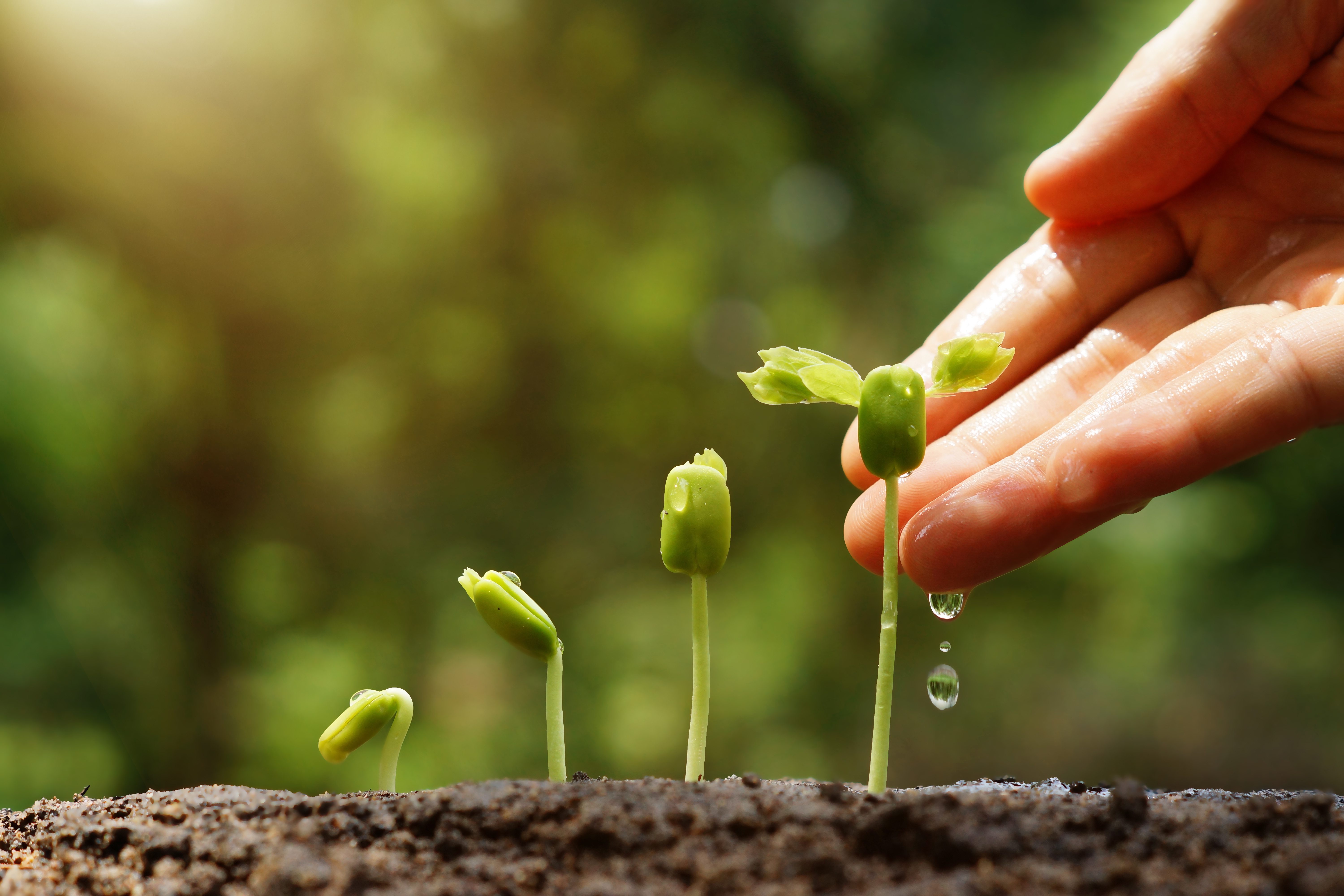
Imagine fresh, fragrant basil just steps away, ready to elevate your pasta sauces, brighten up your salads, or infuse your favorite tea. No need to trek to the store or rely on wilted, flavorless bunches. Growing basil indoors is easier than you think, and with a little know-how, you can enjoy a bountiful harvest year-round. Let's dive into the simple steps to bring this culinary herb to your kitchen windowsill!
Why Grow Basil Indoors in a Pot?
Growing basil in a pot indoors offers several advantages over outdoor gardening, especially if you live in an area with a short growing season or unpredictable weather. Here's why you should consider bringing this flavorful herb inside:
- Year-round Harvest: Enjoy fresh basil regardless of the season. Indoor growing allows you to control the environment and provide consistent warmth and light, ensuring a continuous supply.
- Pest and Disease Control: Indoor basil plants are less susceptible to common garden pests and diseases that can plague outdoor crops. This means you'll likely have healthier, more productive plants with less intervention.
- Convenience: Having basil readily available in your kitchen is incredibly convenient. No more last-minute trips to the grocery store or dealing with wilted herbs.
- Space Saving: Even if you have limited outdoor space, you can still grow basil indoors. A single pot can provide a surprising amount of fresh herbs.
Consider these facts:
| Benefit | Explanation |
|---|---|
| Consistent Supply | Indoor growing eliminates seasonal limitations. |
| Reduced Pest Issues | Controlled environment minimizes pest infestations. |
| Easy Access | Fresh basil is always within reach. |
Choosing the Right Basil Variety for Indoor Growing
While most basil varieties can be grown indoors, some are better suited than others. Here are a few popular choices that thrive in a potted indoor environment:
- Sweet Basil (Ocimum basilicum): The most common and versatile basil variety. Its classic flavor is perfect for pesto, pasta sauces, and salads.
- Dwarf Basil (Ocimum basilicum minimum): A compact variety that's ideal for small pots and windowsill gardens. It has a slightly spicier flavor than sweet basil.
- Thai Basil (Ocimum basilicum var. thyrsiflora): Distinct anise-like flavor that is used in Southeast Asian cuisines. It has sturdy, pointed leaves and purple stems.
- Lemon Basil (Ocimum basilicum citriodorum): A refreshing citrusy flavor that complements fish, chicken, and salads.
- Purple Basil (Ocimum basilicum purpurascens): Adds a beautiful visual element to your indoor garden with its deep purple leaves. Its flavor is slightly milder than sweet basil.
Consider the flavor profile you prefer and the amount of space you have available when choosing your basil variety. Dwarf basil is a particularly good option for beginners because it's relatively low-maintenance and doesn't require as much space as other varieties.
Selecting the Right Pot and Soil for Growing Basil Inside
The pot and soil you choose play a crucial role in the success of your indoor basil garden. Here's what to look for:
- Pot Size: Choose a pot that's at least 6 inches in diameter and 6 inches deep. This will provide enough room for the basil plant's roots to grow. You can also consider using a larger pot (8-10 inches) if you plan to grow multiple basil plants in the same container.
- Drainage: Ensure that the pot has drainage holes at the bottom to prevent waterlogging. Basil plants don't like to sit in soggy soil.
- Pot Material: Clay or terracotta pots are a good choice because they allow the soil to breathe and dry out slightly between waterings. Plastic pots are also acceptable, but they tend to retain more moisture.
- Soil Type: Use a well-draining potting mix that's specifically formulated for herbs or vegetables. Avoid using garden soil, as it can be too heavy and compact for container gardening.
A good potting mix should contain a blend of peat moss, perlite, and vermiculite. These ingredients provide good drainage and aeration, which are essential for healthy basil growth. You can also add some compost to the potting mix to provide extra nutrients.
For example, a mix of 60% potting mix, 20% perlite, and 20% compost is a great starting point. The perlite helps with drainage, while the compost adds essential nutrients. Always ensure that the potting mix is loose and airy, allowing the roots to breathe freely.
Planting Basil Seeds or Seedlings
You have two options for starting your indoor basil garden: seeds or seedlings. Seeds are more economical, but seedlings offer a quicker start. Here's how to plant them:
Starting from Seeds:
- Sow Seeds: Fill your pot with potting mix, leaving about an inch of space at the top. Sprinkle basil seeds evenly over the surface of the soil and gently press them in. Cover the seeds with a thin layer of potting mix.
- Water Gently: Water the soil gently with a spray bottle or watering can, making sure not to dislodge the seeds.
- Create Humidity: Cover the pot with plastic wrap or a clear plastic bag to create a humid environment. This will help the seeds germinate.
- Provide Light: Place the pot in a warm, sunny location or under a grow light.
- Germination: The seeds should germinate in 5-10 days. Once the seedlings emerge, remove the plastic wrap and continue to water regularly.
- Thin Seedlings: Once the seedlings have a few sets of true leaves, thin them out, leaving only the strongest plants in the pot. Space the plants about 4-6 inches apart.
Starting from Seedlings:
- Prepare Pot: Fill your pot with potting mix, leaving about an inch of space at the top.
- Remove Seedlings: Gently remove the basil seedlings from their original container, being careful not to damage the roots.
- Plant Seedlings: Dig small holes in the potting mix and plant the seedlings. Space the plants about 4-6 inches apart.
- Water Gently: Water the seedlings gently after planting.
- Acclimatize: If the seedlings were grown indoors, gradually acclimate them to their new environment by placing them in a partially shaded location for a few days before moving them to a sunny spot.
Providing Adequate Light for Indoor Basil
Basil plants need at least 6-8 hours of sunlight per day to thrive. If you don't have a sunny windowsill, you'll need to supplement with a grow light.
- Natural Light: A south-facing window is ideal for growing basil indoors. However, if you don't have a south-facing window, an east- or west-facing window can also work.
- Grow Lights: If you're using a grow light, choose a full-spectrum LED light that emits both red and blue light. These lights are energy-efficient and provide the optimal spectrum for plant growth. Position the grow light about 6-12 inches above the basil plants.
Insufficient light can lead to leggy, weak growth and reduced flavor. If your basil plants are not getting enough light, they will stretch towards the light source, resulting in long, thin stems. Rotate the pot regularly to ensure that all sides of the plant receive equal exposure to light.
Watering and Fertilizing Your Indoor Basil Plants
Proper watering and fertilization are essential for maintaining healthy and productive basil plants. Here's a guide to help you:
- Watering: Water your basil plants when the top inch of soil feels dry to the touch. Water deeply, until water drains out of the bottom of the pot. Avoid overwatering, as this can lead to root rot. Let the soil dry out slightly between waterings.
- Fertilizing: Fertilize your basil plants every 2-4 weeks with a balanced liquid fertilizer that's specifically formulated for herbs or vegetables. Follow the instructions on the fertilizer label. Avoid over-fertilizing, as this can burn the roots.
A balanced fertilizer, such as a 10-10-10 or 20-20-20, provides equal amounts of nitrogen, phosphorus, and potassium, which are essential for plant growth. You can also use an organic fertilizer, such as fish emulsion or compost tea. Always dilute the fertilizer according to the instructions on the label.
Pruning and Harvesting Basil for Maximum Growth
Pruning and harvesting basil regularly will encourage bushy growth and prevent the plant from flowering. Once basil flowers, the leaves can become bitter.
- Pinching: Pinch off the top sets of leaves when the plant is about 6 inches tall. This will encourage the plant to branch out and produce more leaves.
- Harvesting: Harvest basil leaves regularly, starting from the top of the plant. Pinch or cut off the leaves just above a node (where a leaf or branch emerges from the stem).
- Removing Flowers: Pinch off any flower buds that appear on the plant. This will redirect the plant's energy towards producing more leaves.
Regular pruning not only encourages growth but also extends the lifespan of your basil plant. By pinching off the top sets of leaves and removing flower buds, you're essentially telling the plant to keep producing leaves. This can significantly increase your harvest and ensure a continuous supply of fresh basil.
Troubleshooting Common Basil Problems
Even with the best care, you may encounter some problems while growing basil indoors. Here are a few common issues and how to address them:
- Yellowing Leaves: Can be caused by overwatering, underwatering, nutrient deficiency, or pest infestation. Check the soil moisture and adjust your watering accordingly. Fertilize the plant if necessary. Inspect the leaves for pests and treat accordingly.
- Leggy Growth: Usually caused by insufficient light. Move the plant to a sunnier location or supplement with a grow light.
- Root Rot: Caused by overwatering. Ensure that the pot has drainage holes and that the soil is well-draining. Allow the soil to dry out slightly between waterings.
- Pests: Aphids, spider mites, and whiteflies can sometimes infest indoor basil plants. Treat the plants with insecticidal soap or neem oil.
One way to prevent many of these issues is to maintain good air circulation around your basil plants. This can help to prevent fungal diseases and deter pests. You can also use a fan to circulate air around the plants.
If you notice any signs of pests or diseases, it's important to act quickly to prevent the problem from spreading. Isolate the affected plant from other plants and treat it accordingly. Regular inspection of your basil plants can help you catch problems early and prevent them from becoming serious.
To make sure your garden is easily accessible, consider a quality and durable Garden Hose 75 FT with 10-Function Nozzle, like this one with a leak-proof metal connector, available here: https://amzn.to/3Yv E0Bo. Having the right tools makes all the difference in gardening!
Enjoying Your Homegrown Basil
Once you've harvested your fresh basil, the possibilities are endless. Use it in your favorite recipes, make pesto, or simply enjoy it fresh in a salad. Here are a few ideas:
- Pesto: Blend fresh basil leaves with pine nuts, garlic, Parmesan cheese, and olive oil for a classic pesto sauce.
- Pasta Sauces: Add fresh basil to your favorite tomato-based pasta sauces for a burst of flavor.
- Salads: Sprinkle fresh basil leaves over salads for a refreshing touch.
- Infused Oils: Infuse olive oil with fresh basil leaves for a flavorful cooking oil.
- Basil Tea: Steep fresh basil leaves in hot water for a soothing and aromatic tea.
Growing basil indoors is a rewarding experience that allows you to enjoy fresh, flavorful herbs year-round. With a little care and attention, you can have a thriving basil garden right in your kitchen. So, grab a pot, some soil, and some basil seeds or seedlings, and get ready to enjoy the delicious taste of homegrown basil!