Picture this: you’re making a delicious pesto, but you're out of fresh basil! A quick trip to the grocery store solves the problem, but what if you could extend the life of that store-bought basil and create an endless supply? The good news is, with a little know-how, you absolutely can! Growing Basil From Store-Bought: A Complete Guide So, can you really grow basil from store bought bunches? Absolutely! It's a fantastic way to save money, reduce waste, and enjoy fresh basil whenever you need it. However, the success of growing basil from store bought depends on a few key factors. This article will walk you through the entire process, from selecting the right basil to harvesting your homegrown leaves. We'll cover everything you need to know to successfully propagate basil from your grocery store haul. Selecting the Right Store-Bought Basil for Propagation Not all store-bought basil is created equal when it comes to propagation. To increase your ...
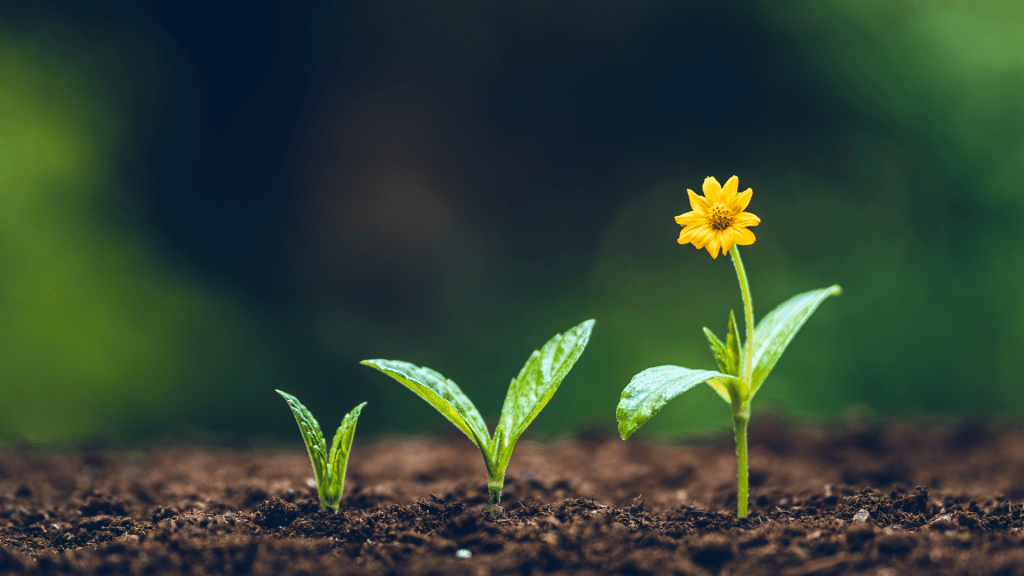
Picture this: the sun is shining, a gentle breeze is blowing, and you step outside to snip fresh basil leaves for your Caprese salad. Growing your own basil is not only incredibly rewarding, but it's also surprisingly easy, even if you only have a small outdoor space. Let's dive into the world of growing basil in pots outdoors!
Choosing the Right Basil Variety for Container Gardening
Before you even think about soil or sunlight, it's essential to select the right basil variety for your container garden. While all basil varieties can technically be grown in pots, some thrive better than others. Consider these factors when making your selection:
- Size: Dwarf varieties like Spicy Globe or Greek Columnar basil are excellent choices for smaller pots as they remain compact.
- Flavor: Classic Genovese basil is perfect for Italian dishes, while Thai basil adds a licorice-like flavor to Asian cuisine. Lemon basil offers a citrusy twist, and Purple basil adds a beautiful visual element to your garden.
- Disease Resistance: Some varieties, like 'Newton' basil, are bred for resistance to common basil diseases like downy mildew.
Here's a quick rundown of popular basil varieties and their ideal uses:
| Variety | Flavor Profile | Best Uses | Container Suitability |
|---|---|---|---|
| Genovese | Classic, slightly sweet | Pesto, pasta sauces, Caprese salad | Excellent |
| Thai | Anise, licorice | Asian stir-fries, soups, curries | Very Good |
| Lemon | Citrusy, lemony | Salads, teas, desserts | Good |
| Purple | Mild, slightly peppery | Salads, garnishes, vinegars | Good |
| Spicy Globe | Spicy, compact | Small spaces, window boxes, borders | Excellent |
Selecting the Perfect Pot and Soil for Growing Basil Outside
Once you've chosen your basil variety, the next step is selecting the right pot and soil. These two elements are crucial for providing your basil plants with the foundation they need to thrive. A larger pot is better for growing basil plants.
Choosing the Right Pot
When it comes to pots, drainage is king. Basil hates sitting in soggy soil, so make sure your pot has plenty of drainage holes. Here's what to look for:
- Material: Terracotta pots are porous, which helps with drainage and aeration. Plastic pots are lightweight and retain moisture better, but be mindful of overwatering. Glazed ceramic pots are attractive but can also retain more moisture.
- Size: A pot that is at least 12 inches in diameter and 12 inches deep is a good starting point for one or two basil plants. If you plan on growing multiple plants together, choose a larger pot accordingly.
- Drainage: Ensure the pot has multiple drainage holes at the bottom. You can also add a layer of gravel or broken pottery at the bottom of the pot to improve drainage.
Selecting the Right Soil
Basil thrives in well-draining, nutrient-rich soil. Avoid using garden soil directly in your pots, as it can become compacted and doesn't drain well. Instead, opt for a high-quality potting mix specifically formulated for containers. Look for a mix that contains:
- Peat moss or coco coir: These materials help retain moisture and provide good aeration.
- Perlite or vermiculite: These lightweight materials improve drainage and prevent soil compaction.
- Compost or aged manure: These organic materials provide essential nutrients for healthy growth.
Consider adding a slow-release fertilizer to your potting mix at planting time to provide your basil plants with a steady supply of nutrients. Follow the instructions on the fertilizer package for application rates.
Planting Your Basil Seedlings or Starts
Now that you have your pot and soil ready, it's time to plant your basil! You can either start from seeds or purchase basil seedlings from a nursery. Both methods have their advantages and disadvantages.
Starting from Seeds
Starting basil from seeds gives you more control over the varieties you grow and is generally more economical. However, it requires more time and effort. Follow these steps to successfully start basil seeds:
- Sow seeds indoors: Start seeds indoors 6-8 weeks before the last expected frost. Sow seeds ¼ inch deep in seed-starting trays filled with seed-starting mix.
- Provide warmth and light: Keep the soil consistently moist and provide warmth (around 70-75°F). Use a heat mat to speed up germination. Place the trays under grow lights or in a sunny window.
- Transplant seedlings: Once the seedlings have developed several sets of true leaves and the danger of frost has passed, transplant them into your prepared pots.
Planting Basil Starts
Purchasing basil starts from a nursery is a quicker and easier way to get your basil garden going. Look for healthy, vibrant plants with no signs of disease or pests. Here's how to plant them:
- Gently remove the plant: Carefully remove the basil plant from its nursery container. Gently loosen the roots if they are tightly packed.
- Dig a hole: Dig a hole in your prepared pot that is slightly larger than the root ball of the basil plant.
- Plant and water: Place the basil plant in the hole, ensuring that the top of the root ball is level with the surrounding soil. Backfill with potting mix and gently pat down the soil. Water thoroughly.
Whether you start from seeds or starts, space your basil plants at least 6-8 inches apart to allow for adequate air circulation and growth. This spacing is important to grow basil in pots outside, because it can help prevent diseases.
Providing the Right Environment for Thriving Basil Plants
Basil is a sun-loving herb that needs at least 6-8 hours of direct sunlight per day to thrive. It also prefers warm temperatures and well-drained soil. Follow these tips to create the ideal environment for your basil plants:
Sunlight and Temperature
Place your basil pots in a location that receives plenty of direct sunlight. A south-facing balcony or patio is often ideal. If you don't have a sunny spot, consider using grow lights to supplement the sunlight.
Basil is sensitive to frost, so wait until the danger of frost has passed before placing your pots outdoors. Temperatures between 70-80°F are ideal for basil growth. If temperatures drop below 50°F, protect your plants by bringing them indoors or covering them with frost cloth.
Watering and Fertilizing
Water your basil plants regularly, especially during hot, dry weather. Water deeply, allowing the water to drain out of the bottom of the pot. Avoid overhead watering, as this can promote fungal diseases. Basil generally need more water when growing in pots.
Fertilize your basil plants every 2-3 weeks with a balanced liquid fertilizer. Follow the instructions on the fertilizer package for application rates. You can also add compost tea or other organic fertilizers to boost growth.
Pruning and Harvesting
Pruning is essential for keeping your basil plants healthy and productive. Pinch off the top sets of leaves regularly to encourage branching and prevent the plant from flowering. Once basil flowers, the leaves can become bitter.
Harvest basil leaves as needed throughout the growing season. Simply snip off the leaves with scissors or pinch them off with your fingers. Start harvesting when the plants are about 6-8 inches tall.
Troubleshooting Common Basil Problems
Even with the best care, basil plants can sometimes encounter problems. Here are some common issues and how to address them:
- Downy Mildew: This fungal disease causes yellow spots on the leaves, eventually leading to leaf drop. Improve air circulation, avoid overhead watering, and consider using a fungicide if the problem is severe.
- Fusarium Wilt: This soilborne fungus causes wilting and yellowing of the leaves. Remove infected plants immediately and avoid planting basil in the same spot again.
- Aphids: These small, sap-sucking insects can cause stunted growth and distorted leaves. Wash them off with a strong stream of water or use insecticidal soap.
- Slugs and Snails: These pests can munch on basil leaves, especially at night. Handpick them off the plants or use slug bait.
Regularly inspect your basil plants for signs of pests or diseases and take action promptly to prevent problems from spreading. Keeping the area around your basil plants clean and free of debris can also help prevent problems.
Growing basil in pots outside can be a rewarding experience. I've found that using a quality watering system helps me keep my basil happy. If you are also looking for a reliable option to water your basil, you might like this75 FT Garden Hose with 10-Function Nozzle. Its leak-proof metal connector and kink-free design make watering your plants a breeze. Check it out here:https://amzn.to/3Yv E0Bo.
Enjoy Your Fresh Basil!
With a little care and attention, you can enjoy a bountiful harvest of fresh, flavorful basil from your container garden. Use your basil to make pesto, flavor sauces, garnish dishes, or simply enjoy it fresh in salads. The possibilities are endless! Happy gardening, and happy cooking!