Picture this: you’re making a delicious pesto, but you're out of fresh basil! A quick trip to the grocery store solves the problem, but what if you could extend the life of that store-bought basil and create an endless supply? The good news is, with a little know-how, you absolutely can! Growing Basil From Store-Bought: A Complete Guide So, can you really grow basil from store bought bunches? Absolutely! It's a fantastic way to save money, reduce waste, and enjoy fresh basil whenever you need it. However, the success of growing basil from store bought depends on a few key factors. This article will walk you through the entire process, from selecting the right basil to harvesting your homegrown leaves. We'll cover everything you need to know to successfully propagate basil from your grocery store haul. Selecting the Right Store-Bought Basil for Propagation Not all store-bought basil is created equal when it comes to propagation. To increase your ...
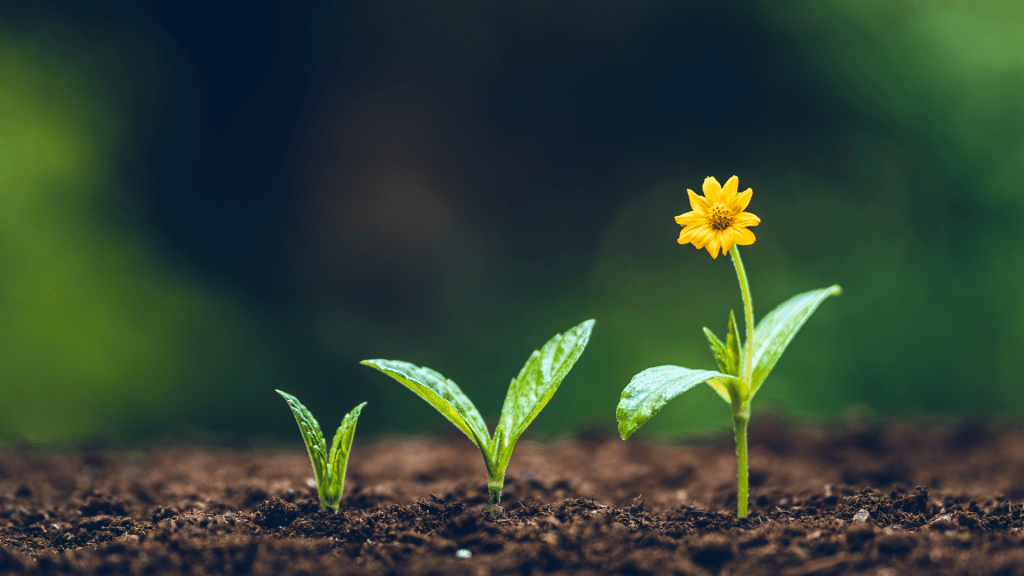
Imagine the aroma of fresh, sweet basil wafting through your kitchen, ready to be plucked for a Caprese salad or a vibrant pesto. Growing your own Italian basil isn't just a rewarding experience, it's a ticket to flavor town! This herb is surprisingly easy to cultivate, even if you don't have a green thumb. Let's dive into the delightful world of growing Italian basil, from seed to harvest, ensuring a bountiful supply for all your culinary creations.
How to Grow Italian Basil: A Comprehensive Guide
Understanding Italian Basil
Italian basil, also known as sweet basil (Ocimum basilicum), is a culinary herb celebrated for its distinctive flavor and aromatic leaves. It’s a staple in Italian cuisine, lending its unique taste to everything from pasta sauces to pizzas. Beyond its culinary uses, basil has been used in traditional medicine for its potential health benefits. Here are a few key things to keep in mind when thinking about growing this wonderful herb:
- Flavor Profile: Sweet, slightly peppery with a hint of mint and anise.
- Appearance: Bright green, oval-shaped leaves.
- Growth Habit: An annual herb that typically grows to a height of 12-24 inches.
- Light Requirements: Requires at least 6-8 hours of sunlight per day.
- Watering Needs: Consistent moisture is essential, but avoid overwatering.
Getting Started: Growing Italian Basil from Seed
Growing Italian basil from seed is a cost-effective way to ensure a constant supply of this flavorful herb. Here's a step-by-step guide to get you started:
1. Choosing the Right Seeds and Timing
Select high-quality Italian basil seeds from a reputable source. Look for seeds that are specifically labeled "Italian Basil" or "Sweet Basil." The best time to start seeds indoors is about 6-8 weeks before the last expected frost. If you're planting directly outdoors, wait until the soil has warmed up to at least 60°F (15°C). Here’s a quick table for reference:
| Method | Timing | Details |
|---|---|---|
| Indoor Starting | 6-8 weeks before last frost | Provides a head start; allows for earlier harvests. |
| Direct Sowing | After last frost, when soil is warm | Simpler, but slower germination and growth. |
2. Sowing the Seeds
You can start your basil seeds either indoors in seed trays or directly in your garden. For indoor starting:
- Fill seed trays with a seed-starting mix.
- Sow seeds about ¼ inch deep.
- Gently water the soil, keeping it consistently moist.
- Place the trays in a warm location (around 70-75°F or 21-24°C) and provide adequate light. A heat mat can be beneficial for germination.
For direct sowing:
- Prepare your garden bed by loosening the soil and adding compost.
- Sow seeds about ¼ inch deep, spacing them 1-2 inches apart.
- Gently water the soil, keeping it consistently moist.
- Thin seedlings to 6-12 inches apart once they emerge.
3. Germination and Seedling Care
Basil seeds typically germinate within 5-10 days. Once the seedlings emerge, provide them with plenty of light. If you're growing them indoors, use grow lights or place them in a sunny window. Keep the soil consistently moist, but avoid overwatering, which can lead to damping-off disease. When the seedlings have developed their first set of true leaves, you can start feeding them with a diluted liquid fertilizer. Also, consider improving your watering system. If you are seeking a reliable option, you might consider a new Garden Hose 75 FT with a 10-Function Nozzle, featuring leak-proof metal connectors for efficient watering, is designed to prevent knots and kinks, making yard and garden care easier than ever https://amzn.to/3Yv E0Bo. This durable and wear-resistant watering solution ensures your basil plants get the moisture they need without any hassle.
Transplanting Your Italian Basil
Once your Italian basil seedlings have grown to be 3-4 inches tall and have developed several sets of true leaves, they are ready to be transplanted into larger pots or directly into your garden. Before transplanting, it’s important to harden off the seedlings.
Hardening Off Seedlings
Hardening off is the process of gradually acclimating your seedlings to outdoor conditions. This helps them adjust to the changes in temperature, sunlight, and wind, reducing the risk of transplant shock. To harden off your basil seedlings:
- Start by placing the seedlings outdoors in a sheltered location for 1-2 hours per day.
- Gradually increase the amount of time they spend outdoors each day over the course of a week.
- Protect the seedlings from strong winds and direct sunlight during the hardening-off process.
Transplanting into the Garden
When transplanting your Italian basil seedlings into the garden:
- Choose a sunny location with well-drained soil.
- Prepare the soil by loosening it and adding compost or other organic matter.
- Dig a hole that is slightly larger than the root ball of the seedling.
- Gently remove the seedling from its pot and place it in the hole.
- Backfill the hole with soil, gently firming it around the base of the plant.
- Water thoroughly after transplanting.
- Space plants 12-18 inches apart to allow for adequate air circulation and growth.
Caring for Your Italian Basil Plants
Once your Italian basil plants are established, proper care is essential to ensure healthy growth and a bountiful harvest. Here are some key aspects of basil plant care:
Sunlight and Soil
Italian basil thrives in full sun, requiring at least 6-8 hours of direct sunlight per day. Choose a location that receives plenty of sunlight throughout the day. The soil should be well-drained and rich in organic matter. Amend the soil with compost or other organic material before planting to improve its fertility and drainage.
Watering
Consistent moisture is essential for growing healthy Italian basil plants. Water deeply whenever the top inch of soil feels dry to the touch. Avoid overwatering, as this can lead to root rot. Water in the morning to allow the foliage to dry before nightfall, which can help prevent fungal diseases. Use a soaker hose or drip irrigation to deliver water directly to the roots.
Fertilizing
Basil plants benefit from regular fertilization. Feed them with a balanced liquid fertilizer every 2-3 weeks during the growing season. Alternatively, you can use a slow-release fertilizer at planting time. Avoid over-fertilizing, as this can result in leggy growth and reduced flavor.
Pinching and Pruning
Pinching and pruning are essential for encouraging bushier growth and preventing your basil plants from flowering too early. Pinch off the top set of leaves when the plants are about 6 inches tall. This will encourage the plants to produce more side shoots, resulting in a fuller, more productive plant. Regularly prune your basil plants by cutting back stems just above a leaf node. This will encourage new growth and prevent the plants from becoming leggy. Remove any flower buds as soon as they appear to prolong the plant's vegetative growth and maintain its flavor.
Harvesting and Storing Italian Basil
Harvesting Italian basil regularly encourages the plant to produce more leaves. It's best to harvest in the morning, after the dew has dried, when the essential oils are most concentrated.
Harvesting Techniques
- Pinch or cut stems: Use your fingers or scissors to pinch or cut stems just above a leaf node.
- Harvest frequently: Harvest leaves regularly to encourage the plant to produce more growth.
- Avoid harvesting more than one-third of the plant at a time: This can stress the plant and reduce its productivity.
Storing Fresh Basil
Freshly harvested Italian basil can be stored in several ways to prolong its shelf life:
- Water glass method: Place the cut stems in a glass of water, like you would with flowers, and store them in the refrigerator. Change the water every day or two.
- Damp paper towel: Wrap the leaves in a damp paper towel and store them in a plastic bag in the refrigerator.
- Freezing: Freeze basil leaves by blanching them in boiling water for a few seconds, then plunging them into ice water. Drain well and freeze in a single layer on a baking sheet before transferring them to a freezer bag.
- Basil Pesto: Turn your extra basil into pesto and freeze it. This is a delicious way to preserve the flavor of fresh basil.
Common Problems and Solutions
Like any plant, Italian basil can be susceptible to certain problems. Here are some common issues and how to address them:
Pests
- Aphids: These tiny insects can suck the sap from basil leaves, causing them to become distorted and yellow. Control aphids by spraying the plants with a strong stream of water or by using insecticidal soap.
- Slugs and Snails: These pests can feed on basil leaves, leaving behind holes and slime trails. Control slugs and snails by handpicking them off the plants or by using beer traps.
Diseases
- Damping-off: This fungal disease can affect seedlings, causing them to wilt and die. Prevent damping-off by using a sterile seed-starting mix and avoiding overwatering.
- Fusarium Wilt: This fungal disease can cause basil plants to wilt and die. Prevent Fusarium wilt by using disease-resistant varieties and practicing crop rotation.
Conclusion
Growing Italian basil is a rewarding and fulfilling experience that brings the fresh, aromatic flavors of Italy right to your fingertips. With a little care and attention, you can enjoy a bountiful harvest of this versatile herb throughout the growing season. So, grab your seeds, prepare your garden, and get ready to savor the taste of homegrown Italian basil! Remember to follow the tips and advice outlined in this guide, and you'll be well on your way to enjoying delicious, homegrown basil in all your favorite dishes. Happy gardening!