Picture this: you’re making a delicious pesto, but you're out of fresh basil! A quick trip to the grocery store solves the problem, but what if you could extend the life of that store-bought basil and create an endless supply? The good news is, with a little know-how, you absolutely can! Growing Basil From Store-Bought: A Complete Guide So, can you really grow basil from store bought bunches? Absolutely! It's a fantastic way to save money, reduce waste, and enjoy fresh basil whenever you need it. However, the success of growing basil from store bought depends on a few key factors. This article will walk you through the entire process, from selecting the right basil to harvesting your homegrown leaves. We'll cover everything you need to know to successfully propagate basil from your grocery store haul. Selecting the Right Store-Bought Basil for Propagation Not all store-bought basil is created equal when it comes to propagation. To increase your ...
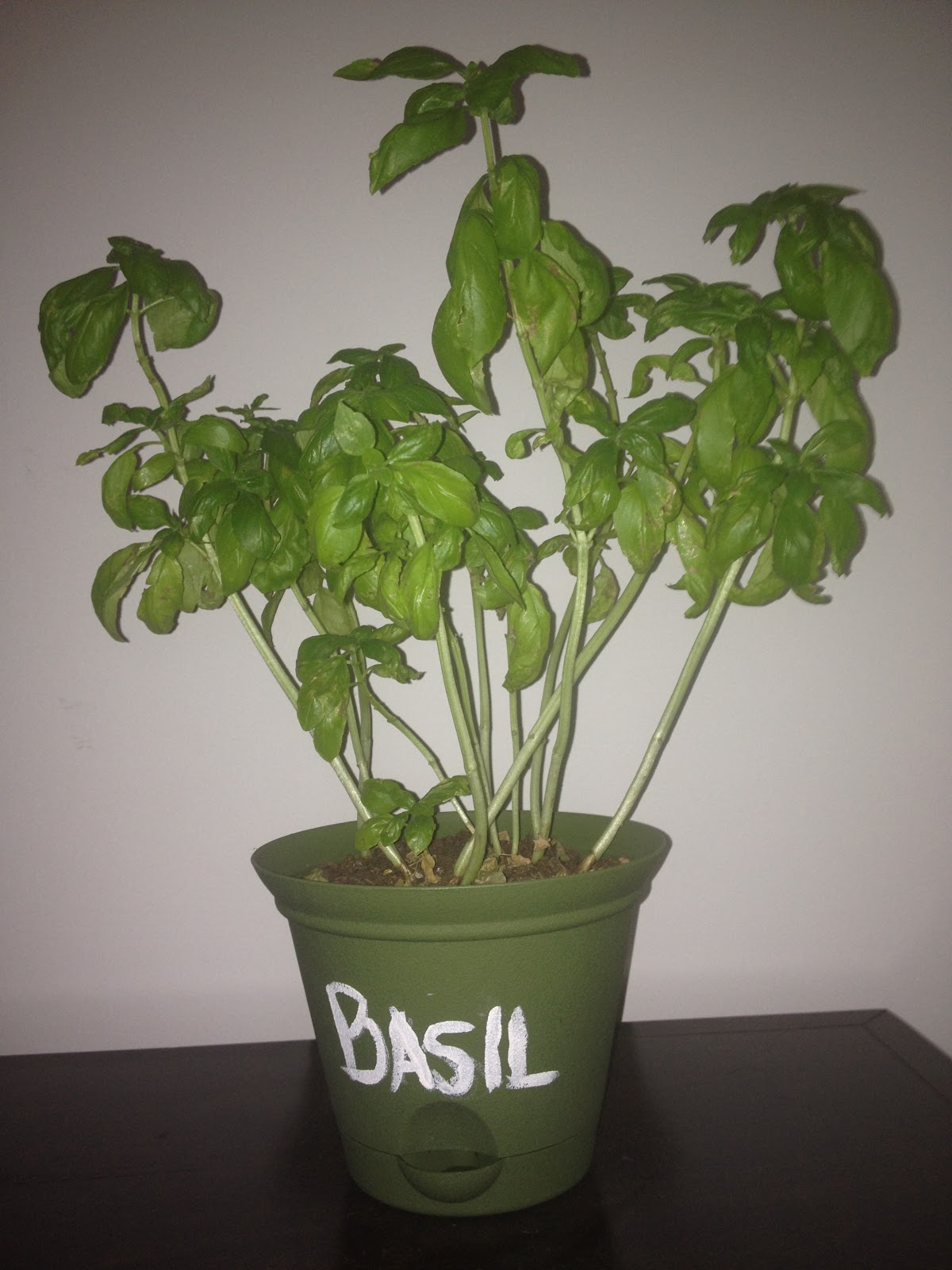
Have you ever dreamt of having towering basil plants, reaching for the sky and filling your kitchen with fragrant, flavorful leaves? Imagine the abundance of pesto, the fresh additions to your salads, and the sheer joy of a thriving herb garden. Growing tall basil isn't just a gardener's fantasy; it's an achievable goal with the right knowledge and techniques. Let's embark on this journey together and unlock the secrets to cultivating impressive basil plants that will make your garden the envy of the neighborhood.
How to Grow Tall Basil: A Comprehensive Guide
Basil, that fragrant herb we all love, is surprisingly easy to grow, but achieving trulytall basil requires a little extra care and attention. This guide will walk you through every step, from selecting the right variety to harvesting your bountiful crop.
Choosing the Right Basil Variety for Maximum Height
Not all basil varieties are created equal. Some are naturally more compact and bushy, while others have the genetic potential to reach impressive heights. Selecting the right variety is the first crucial step in your quest to grow tall basil.
Popular Basil Varieties for Tall Growth:
- Genovese Basil: This classic variety is known for its large, flavorful leaves and its ability to grow quite tall, often reaching 2-3 feet in ideal conditions.
- Thai Basil: With its distinctive anise-licorice flavor, Thai basil can also grow tall, often exceeding 2 feet. Its sturdy stems and attractive purple flowers add visual appeal to your garden.
- Lemon Basil: While not as robust as Genovese, Lemon Basil can still reach a respectable height and offers a delightful citrusy aroma and flavor.
- Lettuce Leaf Basil: As the name suggests, this variety boasts exceptionally large leaves and can grow relatively tall, providing a substantial harvest.
When selecting your basil variety, consider your culinary preferences and the space you have available. Read seed packets carefully to understand the expected mature height of each variety.
Providing Optimal Growing Conditions for Tall Basil Plants
Even with the right variety, basil needs the right environment to thrive and reach its full potential. Meeting these needs is vital for growing tall, healthy plants.
Sunlight: The Foundation of Growth
Basil is a sun-loving herb and requires at least 6-8 hours of direct sunlight per day to flourish. Insufficient sunlight will result in leggy, weak growth and reduced flavor. If you're growing basil indoors, consider using grow lights to supplement natural light.
Soil: Nourishing Your Basil from the Roots
Well-draining soil is essential for basil. It prefers a slightly acidic to neutral p H (around 6.0-7.0). Amend your soil with compost or other organic matter to improve drainage and fertility. Avoid heavy clay soils, which can become waterlogged and lead to root rot.
Tip: A raised garden bed is an excellent option for growing basil, as it provides excellent drainage and warms up quickly in the spring.
Watering: Finding the Right Balance
Basil needs consistent moisture but doesn't like to sit in soggy soil. Water deeply when the top inch of soil feels dry to the touch. Avoid overhead watering, as this can promote fungal diseases. Instead, water at the base of the plant. Mulching around your basil plants can help retain moisture and suppress weeds.
Temperature: Basil's Comfort Zone
Basil is a warm-weather herb and is sensitive to frost. It thrives in temperatures between 70-80°F (21-27°C). Avoid planting basil outdoors until after the last frost. If temperatures drop unexpectedly, protect your plants with row covers or bring them indoors.
Planting and Transplanting Basil for Strong Growth
Starting with healthy seedlings or properly transplanting your basil plants is crucial for establishing a strong foundation for tall growth.
Starting from Seed: Nurturing New Life
You can start basil seeds indoors 6-8 weeks before the last expected frost. Sow the seeds in seed trays or small pots filled with seed-starting mix. Keep the soil consistently moist and provide plenty of light. Once the seedlings have developed a few sets of true leaves, they can be transplanted outdoors.
Transplanting Seedlings: Giving Them Room to Grow
When transplanting basil seedlings, choose a sunny location with well-drained soil. Space the plants 12-18 inches apart to allow for adequate air circulation and growth. Gently remove the seedlings from their containers and plant them at the same depth they were growing in previously. Water thoroughly after transplanting.
Case Study: A local gardener, Sarah, struggled to grow tall basil for years. After switching to a raised bed with well-draining soil and spacing her plants 18 inches apart, she finally achieved her goal of towering basil plants reaching over 2 feet in height.
Pruning and Pinching: Encouraging Bushy and Tall Growth
Pruning and pinching are essential techniques for promoting bushier growth and preventing your basil plants from becoming leggy. These practices encourage the plant to produce more leaves and stems, ultimately leading to taller, more productive plants.
Pinching Back: Promoting Branching
When your basil plants are about 6 inches tall, pinch off the central stem just above a set of leaves. This will encourage the plant to branch out and produce more stems, resulting in a bushier, more compact plant. Repeat this process every few weeks to maintain a desirable shape.
Removing Flower Buds: Redirecting Energy
Basil plants tend to flower when they're stressed or nearing the end of their life cycle. Flowering signals the plant to stop producing leaves and focus on seed production. To encourage continued leaf growth, remove flower buds as soon as they appear. This will redirect the plant's energy towards producing more foliage.
Need a reliable tool to help you keep your basil plants in shape? Consider using a dependablewater hose 75 FT with a 10-Function Nozzle to easily water your garden and keep your plants hydrated. This kink-free, metal connector hose is durable and perfect for tending to your growing garden. Check it out here: Garden Hose 75 FT.
Fertilizing Your Basil: Providing Essential Nutrients
Basil is a relatively heavy feeder and benefits from regular fertilization. Providing the right nutrients will help your basil plants grow tall and produce abundant, flavorful leaves.
Choosing the Right Fertilizer:
A balanced fertilizer with equal amounts of nitrogen, phosphorus, and potassium (e.g., 10-10-10) is a good option for basil. You can also use a fertilizer specifically formulated for herbs. Avoid over-fertilizing, as this can lead to excessive vegetative growth and reduced flavor.
Application Methods:
You can apply fertilizer to basil in several ways:
- Granular Fertilizer: Sprinkle granular fertilizer around the base of the plant and water thoroughly.
- Liquid Fertilizer: Dilute liquid fertilizer according to the package directions and apply it to the soil.
- Foliar Feeding: Spray diluted liquid fertilizer directly onto the leaves.
Fertilize your basil every 2-3 weeks during the growing season.
Protecting Your Basil from Pests and Diseases
Basil is generally a pest-resistant herb, but it can be susceptible to certain pests and diseases. Taking preventative measures and addressing problems promptly can help ensure healthy growth and prevent significant damage.
Common Pests:
- Aphids: These tiny, sap-sucking insects can cluster on the stems and leaves of basil plants. Control aphids with insecticidal soap or neem oil.
- Slugs and Snails: These slimy pests can chew holes in the leaves of basil plants. Control slugs and snails with traps or by handpicking them off the plants.
- Japanese Beetles: These beetles can skeletonize the leaves of basil plants. Control Japanese beetles with insecticides or by handpicking them off the plants.
Common Diseases:
- Downy Mildew: This fungal disease can cause yellow spots on the leaves of basil plants. Control downy mildew with fungicides or by improving air circulation.
- Fusarium Wilt: This soilborne fungal disease can cause basil plants to wilt and die. Control fusarium wilt by planting resistant varieties and avoiding overwatering.
Regularly inspect your basil plants for signs of pests or diseases. Take action promptly to prevent problems from spreading.
Harvesting Your Tall Basil: Enjoying the Fruits of Your Labor
Harvesting basil regularly encourages continued growth and ensures a constant supply of fresh, flavorful leaves. Knowing when and how to harvest your basil is crucial for maximizing its yield and maintaining its health.
When to Harvest:
You can start harvesting basil leaves as soon as the plants are about 6 inches tall. Harvest leaves early in the morning, when their oils are most concentrated. Avoid harvesting more than one-third of the plant at a time, as this can stress the plant.
How to Harvest:
Pinch or cut off the leaves just above a set of leaves. This will encourage the plant to branch out and produce more leaves. You can also harvest entire stems of basil.
Storing Basil:
Freshly harvested basil can be stored in the refrigerator for several days. Wrap the leaves in a damp paper towel and place them in a plastic bag. You can also preserve basil by drying it, freezing it, or making pesto.
By following these tips and techniques, you can successfully grow tall basil and enjoy a bountiful harvest of this versatile and flavorful herb. Happy gardening!