Picture this: you’re making a delicious pesto, but you're out of fresh basil! A quick trip to the grocery store solves the problem, but what if you could extend the life of that store-bought basil and create an endless supply? The good news is, with a little know-how, you absolutely can! Growing Basil From Store-Bought: A Complete Guide So, can you really grow basil from store bought bunches? Absolutely! It's a fantastic way to save money, reduce waste, and enjoy fresh basil whenever you need it. However, the success of growing basil from store bought depends on a few key factors. This article will walk you through the entire process, from selecting the right basil to harvesting your homegrown leaves. We'll cover everything you need to know to successfully propagate basil from your grocery store haul. Selecting the Right Store-Bought Basil for Propagation Not all store-bought basil is created equal when it comes to propagation. To increase your ...
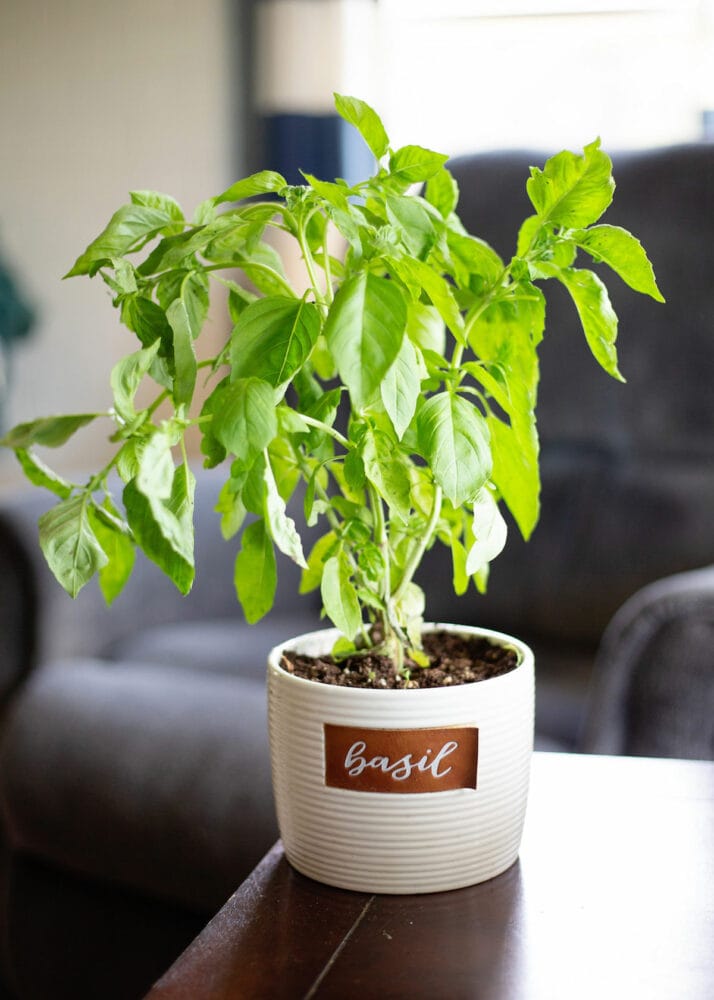
Ah, basil. The fragrant herb that elevates everything from a simple Caprese salad to a complex pesto. But before you dream of culinary delights, a crucial question lingers: should I grow basil inside or outside? The answer, like a well-tended herb garden, requires careful consideration of several factors. Let's dive into the pros and cons of each method, ensuring your basil thrives, regardless of its location.
Growing Basil: Indoor vs. Outdoor - What's Best for You?
Deciding whether to cultivate your basil indoors or outdoors is a pivotal step in ensuring a bountiful harvest. Both approaches offer unique advantages and disadvantages, influenced by factors like your climate, available space, and level of gardening experience. Understanding these nuances will empower you to make an informed decision tailored to your specific circumstances.
Considering the Climate: Does it Matter if I Grow Basil Indoors or Outdoors?
Climate plays a significant role in determining the best environment for your basil. Basil thrives in warm temperatures, ideally between 60°F and 80°F (15°C - 27°C). It's sensitive to frost and even temperatures below 50°F (10°C) can stunt its growth or even kill it. Therefore, gardeners in regions with short growing seasons, cold winters, or unpredictable spring frosts may find indoor cultivation more reliable. When wonderingif I should grow basil inside or outside, climate has to be a primary factor. By growing indoors, you can maintain a consistent temperature, regardless of the weather outside.
For those in warmer climates with long growing seasons, outdoor basil cultivation can be incredibly rewarding. However, even in these regions, you need to be mindful of extreme heat. During scorching summer days, providing afternoon shade can prevent your basil from wilting. Also keep an eye on the soil moisture, especially during heat waves.
Space and Sunlight:Should I Grow Basil Inside? Do I Have Enough Space?
The amount of available space is another critical factor. If you have a small apartment or limited outdoor space, indoor basil cultivation is the obvious choice. A few pots on a sunny windowsill or under grow lights can provide a steady supply of fresh basil. You can even use vertical gardening techniques to maximize space, such as hanging planters or stacked containers.
Outdoor basil requires more space, especially if you plan to grow a large quantity. Basil plants can grow to be quite bushy, so they need adequate spacing to allow for air circulation and prevent disease. Consider the size of your garden or the amount of space you have on your balcony or patio. Furthermore, sunlight is crucial. Basil needs at least 6-8 hours of direct sunlight per day. If your outdoor space is shaded for a significant portion of the day, indoor growing might be more successful. Therefore,if I should grow basil inside depends heavily on available sunlight.
Sunlight Considerations for Indoor Basil
While natural sunlight is ideal, indoor basil can thrive with artificial lighting. Full-spectrum LED grow lights are an excellent option, providing the necessary light intensity and spectrum for healthy growth. Position the lights a few inches above the plants and keep them on for 14-16 hours per day.
Pests and Diseases: The Benefits of Growing Basil Inside
Pests and diseases can be a significant challenge for outdoor basil. Common culprits include aphids, slugs, snails, and Japanese beetles. Diseases like fungal leaf spots can also wreak havoc on your basil crop. While organic pest control methods can be effective, they require consistent monitoring and intervention.
One of the key advantages of growing basil indoors is reduced exposure to pests and diseases. The controlled environment minimizes the risk of infestation, allowing you to enjoy a healthier, more productive basil plant. However, it's still essential to inspect your plants regularly for any signs of trouble. Introducing beneficial insects like ladybugs can help control any pests that do manage to find their way indoors.
Convenience and Control: Is it Easier to Grow Basil Outside?
Outdoor basil cultivation offers the convenience of being closer to nature and potentially less maintenance in some aspects. Natural rainfall can supplement your watering schedule, and the open air provides excellent ventilation. However, you relinquish some control over the environment. You are at the mercy of the weather, and you need to be vigilant in monitoring for pests and diseases. Therefore, the question "is it easier to grow basil outside?" depends heavily on your local climate and your ability to manage potential challenges.
Indoor basil growing provides complete control over the environment. You can regulate temperature, humidity, and light levels, creating optimal growing conditions. This level of control can be particularly beneficial for beginners, as it minimizes the variables that can lead to failure. The trade-off is that you need to be more hands-on with watering and fertilization.
Watering Strategies for Indoor Basil
Overwatering is a common mistake with indoor basil. Allow the top inch of soil to dry out before watering thoroughly. Ensure that your pots have adequate drainage to prevent waterlogging. Use a well-draining potting mix specifically formulated for herbs. Consider using a self-watering container to maintain consistent moisture levels.
Flavor and Aroma: Does Growing Basil Indoors Affect the Taste?
Some gardeners believe that basil grown outdoors has a more intense flavor and aroma, attributing it to the natural sunlight and soil conditions. However, with proper care and attention, indoor basil can also be incredibly flavorful. The key is to provide adequate light and avoid overwatering, which can dilute the essential oils that contribute to basil's distinctive taste. Experiment with different varieties of basil to find the one that best suits your palate.
Ultimately, the choice between growing basil inside or outside is a personal one. Consider your climate, space, lifestyle, and desired level of control. With careful planning and consistent care, you can enjoy a bountiful harvest of fresh basil, regardless of where you choose to grow it.
To help your garden flourish, consider using a reliable watering solution. TheGarden Hose 75 FT with 10-Function Nozzle offers great length and versatility, perfect for reaching all corners of your garden or balcony. This 75-foot long garden hose is built with a leak-proof metal connector and a kink-free design. It is available on Amazon: https://amzn.to/3Yv E0Bo.