Picture this: you’re making a delicious pesto, but you're out of fresh basil! A quick trip to the grocery store solves the problem, but what if you could extend the life of that store-bought basil and create an endless supply? The good news is, with a little know-how, you absolutely can! Growing Basil From Store-Bought: A Complete Guide So, can you really grow basil from store bought bunches? Absolutely! It's a fantastic way to save money, reduce waste, and enjoy fresh basil whenever you need it. However, the success of growing basil from store bought depends on a few key factors. This article will walk you through the entire process, from selecting the right basil to harvesting your homegrown leaves. We'll cover everything you need to know to successfully propagate basil from your grocery store haul. Selecting the Right Store-Bought Basil for Propagation Not all store-bought basil is created equal when it comes to propagation. To increase your ...
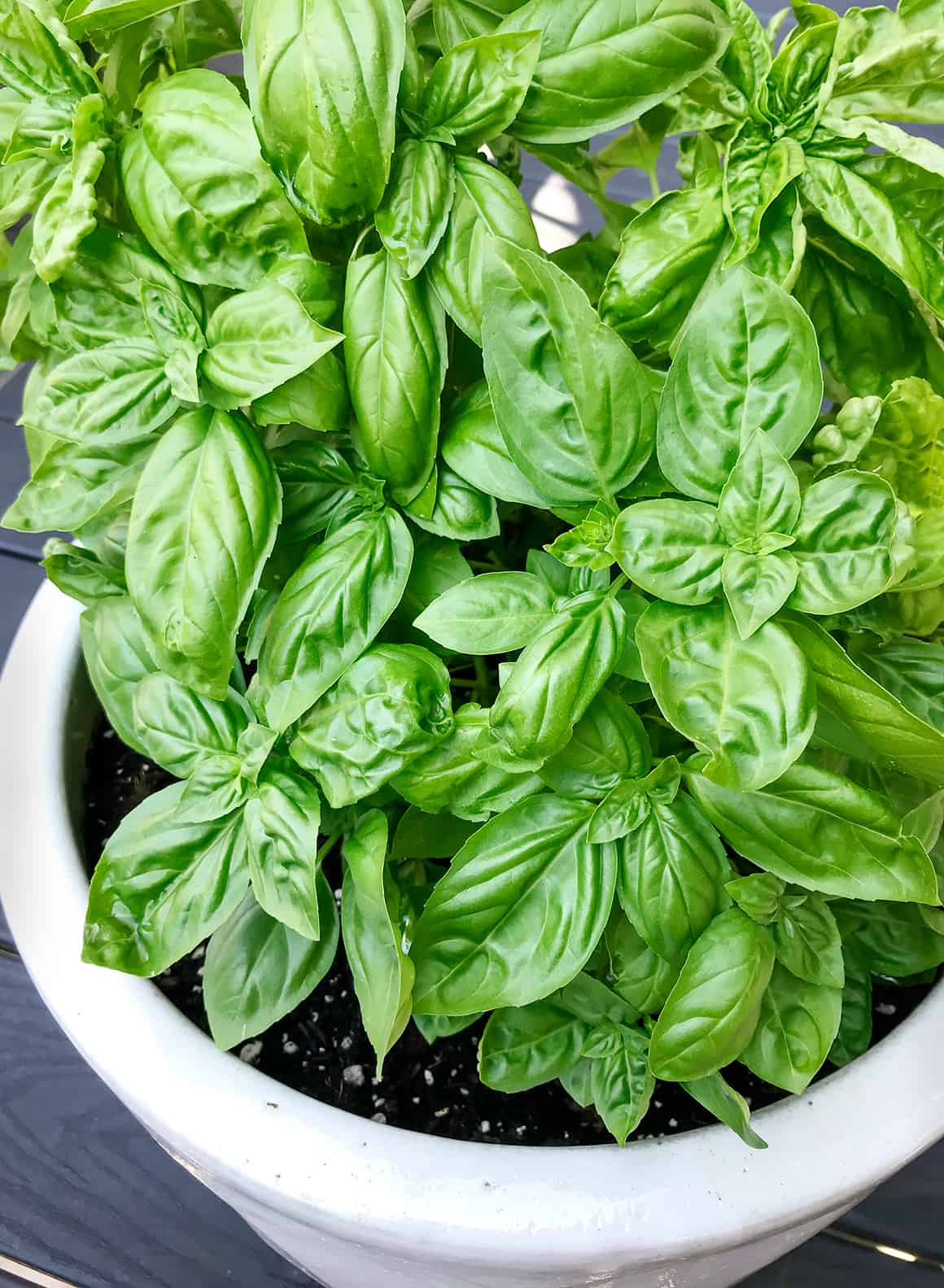
The vibrant green leaves of your basil plant have been a summer staple, adding fresh flavor to your pesto, salads, and countless other dishes. But as the days grow shorter and the nights cooler, the inevitable question arises: what to do with your basil plants as the end of the growing season approaches? Don't worry, there are plenty of ways to make the most of your basil bounty and even keep the taste of summer alive a little longer.
Extending Your Basil Harvest: End of Season Strategies
The first step in managing your basil at the end of the season is to understand its life cycle. Basil is a tender annual, meaning it completes its life cycle in one growing season. It's sensitive to frost and will quickly succumb to freezing temperatures. However, with a little planning and effort, you can extend your harvest and preserve the delicious flavor of your basil well into the colder months. Consider these strategies for maximizing your basil harvest before the frost hits:
Aggressive Harvesting Before Frost
This is perhaps the most straightforward approach. Before the first predicted frost, harvest as much basil as possible. Don't be shy! Basil thrives on pruning, and a heavy harvest will encourage the plant to produce more leaves before the cold sets in. Aim to cut stems just above a leaf node (where leaves grow out of the stem). This encourages the plant to branch out and produce even more leaves. If your basil plant is allowed to flower, the leaves will become bitter, so harvesting as much as possible prevents this from happening. If you're not going to use the basil immediately, consider these preservation methods.
Propagating Cuttings to Overwinter Indoors
One of the easiest ways to keep fresh basil going through the winter is to propagate cuttings. Take 4-6 inch cuttings from your healthiest basil plants, removing the lower leaves to expose the nodes. Place the cuttings in a glass of water, ensuring that the leaves remain above the water line. Place the glass in a bright, indirect light location. Within a week or two, roots should begin to form. Once the roots are an inch or two long, you can pot the cuttings in small pots filled with well-draining potting mix. Keep the soil consistently moist, but not waterlogged, and provide plenty of bright, indirect light. A south-facing window is ideal. You might even consider using grow lights to supplement the natural light during the darker winter months. Overwintered basil may not grow as vigorously as it does outdoors in the summer, but it will provide you with a steady supply of fresh leaves for your culinary creations.
Bringing Potted Basil Plants Indoors
If your basil is already growing in pots, bringing the entire plant indoors is a simple solution. Before bringing them inside, inspect them thoroughly for pests like aphids, spider mites, or whiteflies. These critters can quickly multiply indoors and infest your other houseplants. Treat any infestations with insecticidal soap or neem oil before bringing the basil plants inside. Place the potted basil in a sunny location, ideally a south-facing window. If you don't have enough natural light, consider using a grow light. Indoor basil will need less watering than outdoor basil, so allow the soil to dry out slightly between waterings. Fertilize sparingly with a balanced liquid fertilizer every few weeks.
Preserving Your Basil for Later Use
Even with the best efforts, the basil growing season eventually ends. Fortunately, there are many ways to preserve your basil crop to savor its flavor throughout the year. Here are some popular and effective methods:
Freezing Basil: Whole Leaves, Paste, or Pesto
Freezing is a simple and effective way to preserve basil. You can freeze whole leaves, basil paste, or even pre-made pesto. To freeze whole leaves, wash and dry them thoroughly. Then, blanch them briefly in boiling water for a few seconds, followed by an ice bath. This helps to preserve their color and flavor. Drain the leaves well and spread them out on a baking sheet lined with parchment paper. Freeze for a few hours, or until solid, then transfer the frozen leaves to a freezer bag or container. For basil paste, simply blend fresh basil leaves with a little olive oil until smooth. Pour the paste into ice cube trays and freeze. Once frozen, transfer the cubes to a freezer bag. To freeze pesto, prepare your favorite recipe and portion it into freezer-safe containers, leaving some headspace for expansion. Frozen basil will retain its flavor for several months.
Consider the following chart comparing the different methods:
| Method | Pros | Cons | Best Use |
|---|---|---|---|
| Whole Frozen Leaves | Easy, quick | Leaves may darken slightly | Adding to soups, stews, sauces |
| Basil Paste | Retains flavor well | Requires blending | Adding to sauces, dressings |
| Frozen Pesto | Ready-to-use flavor | Requires making pesto beforehand | Pasta dishes, dips, spreads |
Drying Basil: Air Drying, Oven Drying, or Dehydrator
Drying is another excellent way to preserve basil. You can air dry, oven dry, or use a food dehydrator. To air dry basil, tie small bunches of stems together and hang them upside down in a cool, dry, well-ventilated place. Avoid direct sunlight, which can fade the color and diminish the flavor. Air drying can take several days to a week or more, depending on the humidity. To oven dry basil, preheat your oven to the lowest possible setting (ideally below 170°F). Spread the basil leaves in a single layer on a baking sheet lined with parchment paper. Leave the oven door slightly ajar to allow moisture to escape. Drying time will vary depending on the oven, but it typically takes several hours. Check the leaves frequently and remove them when they are brittle and crumble easily. A food dehydrator is the most efficient way to dry basil. Follow the manufacturer's instructions for drying herbs. Dried basil can be stored in airtight containers in a cool, dark place for up to a year.
Basil-Infused Oil or Vinegar
Infusing oil or vinegar with basil is a flavorful way to preserve its essence. For basil-infused oil, gently heat high-quality olive oil in a saucepan with fresh basil leaves. Do not boil the oil. Allow the basil to infuse the oil for several hours, then strain out the leaves. Store the infused oil in a sterilized bottle in the refrigerator. For basil-infused vinegar, simply combine fresh basil leaves with vinegar in a sterilized jar. White wine vinegar and balsamic vinegar work well. Allow the vinegar to infuse for several weeks, shaking the jar occasionally. Strain out the leaves and store the infused vinegar in a cool, dark place.
Basil Growing Tips: Preparing for Next Season
As you're wrapping up this year's basil harvest, it's a great time to think ahead to next season. Taking a few simple steps now can help ensure a bountiful basil crop next year.
Saving Basil Seeds
If you grew heirloom or open-pollinated basil varieties, you can save the seeds for planting next year. Allow a few of your basil plants to flower and go to seed. Once the seed heads have dried completely on the plant, cut them off and place them in a paper bag. Allow the seed heads to dry further indoors for a week or two. Then, gently crush the seed heads to release the seeds. Separate the seeds from the chaff by winnowing or using a fine-mesh sieve. Store the basil seeds in an airtight container in a cool, dark, dry place. Be sure to label the container with the variety and date.
Soil Preparation
If you plan to grow basil in the same location next year, now is a good time to prepare the soil. Remove any remaining basil plants and weeds. Amend the soil with compost or other organic matter to improve its fertility and drainage. Basil prefers well-drained soil with a p H between 6.0 and
7.5. Consider adding a slow-release organic fertilizer to provide essential nutrients for next year's basil crop. If you’ve been watering your basil patch, make sure to use your watering hose. I found an amazing75 FT Garden Hose with a10-Function Nozzle that has been a game changer, it'sleak-proof, kink-free, and superlight! Check it out here:Garden Hose 75 FT with 10-Function Nozzle.
Planning Next Year's Basil Garden
Take some time to reflect on this year's basil growing experience. What varieties did you grow? Which ones performed best? Did you have any pest or disease problems? Use this information to plan your basil garden for next year. Consider trying new varieties or experimenting with different growing techniques. By planning ahead, you can ensure an even more successful basil harvest next season.
Conclusion
As the growing season winds down, don't let your basil plants go to waste. By following these end-of-season tips, you can extend your harvest, preserve the flavor of summer, and prepare for an even more bountiful basil crop next year. With a little effort, you can enjoy the fresh, aromatic taste of basil all year long.