Picture this: you’re making a delicious pesto, but you're out of fresh basil! A quick trip to the grocery store solves the problem, but what if you could extend the life of that store-bought basil and create an endless supply? The good news is, with a little know-how, you absolutely can! Growing Basil From Store-Bought: A Complete Guide So, can you really grow basil from store bought bunches? Absolutely! It's a fantastic way to save money, reduce waste, and enjoy fresh basil whenever you need it. However, the success of growing basil from store bought depends on a few key factors. This article will walk you through the entire process, from selecting the right basil to harvesting your homegrown leaves. We'll cover everything you need to know to successfully propagate basil from your grocery store haul. Selecting the Right Store-Bought Basil for Propagation Not all store-bought basil is created equal when it comes to propagation. To increase your ...
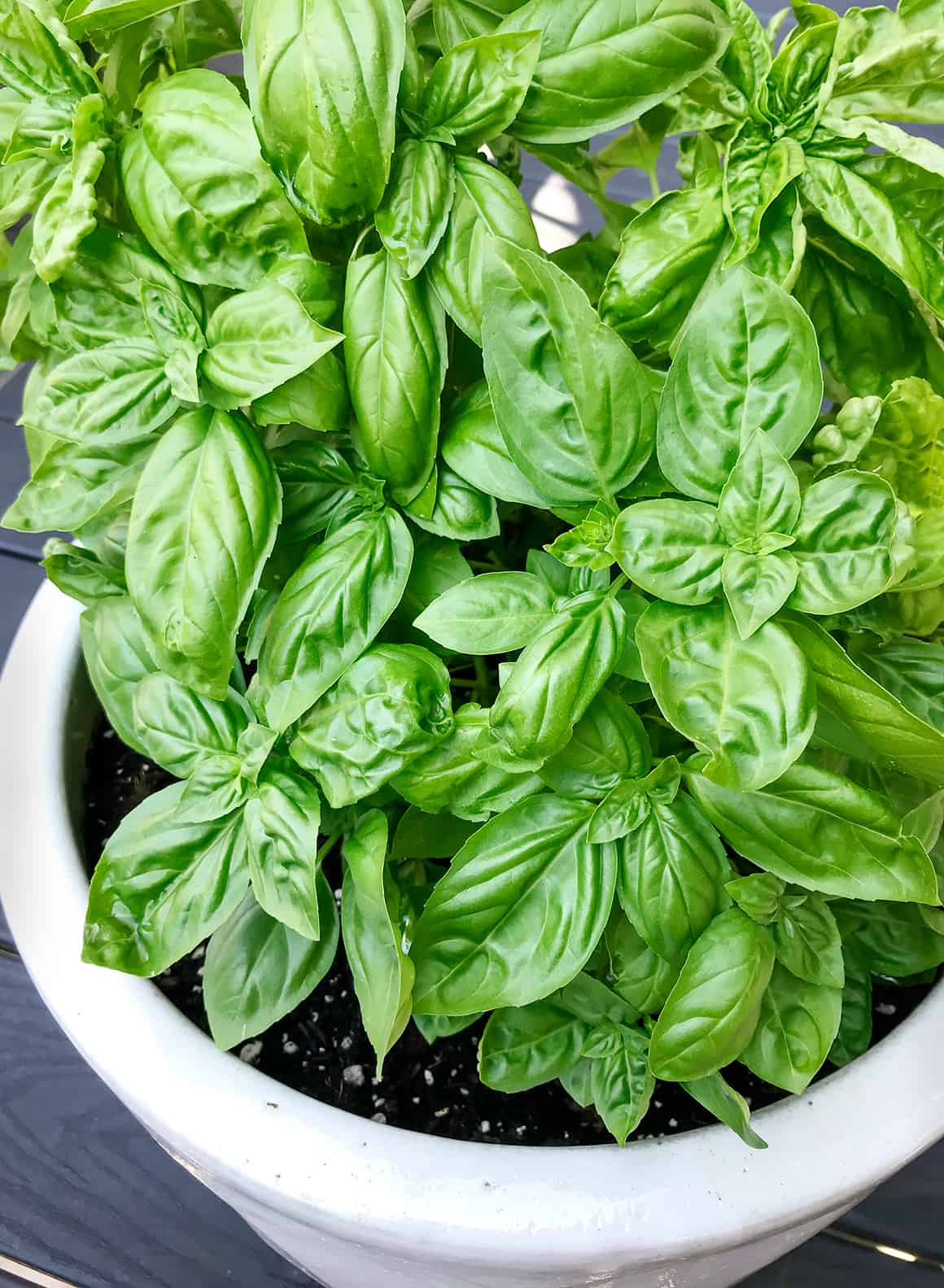
Ah, basil. Just the scent alone can transport you to a sun-drenched Italian kitchen, right? But beyond the aroma, growing your own basil is incredibly rewarding. Imagine fresh pesto, Caprese salads bursting with flavor, and homemade pizzas elevated to gourmet status. The secret? A little know-how. Let's dig into the art of cultivating vibrant, healthy basil plants, ensuring a season of culinary delights.
Understanding Basil: A Gardener's Delight
Before we delve into the specifics of basil growing, let's appreciate this versatile herb. Basil, scientifically known as Ocimum basilicum, is a member of the mint family and originates from Southeast Asia. Its leaves boast a distinctive peppery-sweet flavor with hints of mint and clove. Basil is not only delicious but also packed with vitamins and antioxidants. Different basil varieties exist, each offering a unique taste and aroma. These varieties are often categorized by leaf size, color and flavor profiles. Popular types include:
- Sweet Basil: The most common type, perfect for Italian dishes.
- Genovese Basil: A classic Italian basil with a strong, distinct flavor, often preferred for pesto.
- Thai Basil: Anise-flavored, ideal for Asian cuisine.
- Lemon Basil: Citrusy notes, great for salads and teas.
- Purple Basil: Visually striking with a mild flavor, perfect for garnishes.
Essential Basil Herb Growing Tips: From Seed to Harvest
Successfully growing basil involves creating the right conditions and providing proper care. Here's a breakdown of key aspects:
Starting Basil: Seeds vs. Seedlings
You have two primary options for starting your basil journey: seeds or seedlings. Seeds offer a more economical approach and allow you to cultivate specific varieties not readily available as seedlings. However, they require more patience as it takes longer for them to mature. Seedlings, on the other hand, provide a head start and are ideal if you're eager to harvest quickly.
Starting from Seed: Sow basil seeds indoors 6-8 weeks before the last expected frost. Use a seed-starting mix and keep the soil consistently moist. Germination typically occurs within 5-10 days at a temperature of 70-80°F (21-27°C). Once seedlings develop a few sets of true leaves, they can be transplanted outdoors after the risk of frost has passed. When transplanting, space the plants around 12-18 inches apart. Direct sowing outdoors is possible in warmer climates, after the soil has warmed up and the threat of frost is gone.
Starting from Seedlings:Purchase healthy seedlings from a reputable nursery. Look for plants with vibrant green leaves and sturdy stems. Avoid seedlings that appear leggy or have signs of disease. When transplanting, handle the seedlings carefully to avoid damaging the roots. Plant them at the same depth as they were in the nursery pot and water them thoroughly.
Sunlight and Soil: The Foundation for Healthy Basil
Basil thrives infull sun, requiring at least 6-8 hours of direct sunlight daily. Insufficient sunlight can lead to leggy growth and reduced flavor intensity. The soil should be well-draining, fertile, and slightly acidic to neutral (p H 6.0-7.5). Amend heavy clay soils with compost or other organic matter to improve drainage and aeration. A sandy loam soil is ideal for basil growth.
Before planting, consider enriching the soil with compost or aged manure. This provides essential nutrients and improves soil structure. You can also incorporate a slow-release fertilizer to ensure a steady supply of nutrients throughout the growing season. Here’s a table summarizing the ideal conditions:
| Factor | Ideal Condition |
|---|---|
| Sunlight | 6-8 hours of direct sunlight daily |
| Soil | Well-draining, fertile, p H 6.0-7.5 |
| Watering | Consistent moisture, avoid overwatering |
| Temperature | Warm temperatures (60-80°F or 15-27°C) |
Watering and Fertilizing: Nurturing Your Basil Plants
Basil needs consistent moisture, but avoid overwatering, which can lead to root rot. Water deeply when the top inch of soil feels dry. Early mornings are the best time to water, allowing the foliage to dry before nightfall, reducing the risk of fungal diseases. Mulching around the base of the plants helps retain moisture, suppress weeds, and regulate soil temperature.
Fertilize basil plants every 2-3 weeks with a balanced liquid fertilizer or compost tea. Avoid excessive nitrogen fertilization, as this can promote leafy growth at the expense of flavor. Organic fertilizers, such as fish emulsion or seaweed extract, are excellent options for providing essential nutrients without the risk of burning the plants.
To ensure your plants get enough water, consider using a good quality garden hose. A reliablegarden hose 75 FT with a 10-Function Nozzle makes watering easier and more efficient. Theleak-proof metal connector water hose ensures no water is wasted, and its lightweight, kink-free design simplifies your gardening routine. You can find one on Amazon here: https://amzn.to/3Yv E0Bo.
Pruning and Harvesting: Encouraging Bushy Growth and Flavor
Regular pruning is essential for promoting bushy growth and preventing basil plants from flowering prematurely. Pinch off the tips of the stems just above a set of leaves. This encourages the plant to produce more side shoots, resulting in a fuller, more productive plant. Remove any flower buds as soon as they appear, as flowering diminishes the flavor of the leaves.
Harvest basil leaves regularly throughout the growing season. The best time to harvest is in the morning, after the dew has dried but before the heat of the day sets in. Gently snip off the leaves with scissors or garden shears. Harvest from the top down, leaving at least 4-6 leaves on the stem to allow the plant to continue growing. Fresh basil leaves can be stored in the refrigerator for a few days or frozen for longer-term storage.
Troubleshooting Common Basil Herb Growing Problems
Like any plant, basil can be susceptible to certain pests and diseases. Here's how to address common problems:
Pests: Identifying and Managing Common Threats
Basil can be targeted by pests such as aphids, spider mites, and Japanese beetles.
- Aphids: Small, pear-shaped insects that suck sap from the leaves, causing them to curl and distort. Control aphids by spraying them with a strong stream of water or using insecticidal soap.
- Spider Mites: Tiny pests that create webs on the leaves, causing them to become stippled and yellowed. Increase humidity and spray the plants with horticultural oil to control spider mites.
- Japanese Beetles: Metallic green beetles that skeletonize the leaves. Handpick the beetles or use traps to reduce their population.
Diseases: Preventing and Treating Common Ailments
Basil is susceptible to fungal diseases, such as downy mildew and fusarium wilt.
- Downy Mildew: A fungal disease that causes yellow spots on the upper surface of the leaves and a grayish-purple fuzz on the undersides. Improve air circulation, avoid overhead watering, and apply a fungicide to control downy mildew.
- Fusarium Wilt: A soilborne fungal disease that causes wilting and yellowing of the leaves, eventually leading to plant death. Use disease-resistant varieties, practice crop rotation, and avoid overwatering to prevent fusarium wilt.
Maximizing Your Basil Harvest: Advanced Basil Herb Growing Tips
Ready to take your basil growing to the next level? Here are some advanced techniques:
Succession Planting: Extending the Harvest Season
To enjoy a continuous supply of fresh basil throughout the growing season, practice succession planting. Sow seeds or transplant seedlings every 2-3 weeks. This ensures that you always have young, productive plants ready for harvest.
Companion Planting: Creating a Beneficial Ecosystem
Basil is a great companion plant for tomatoes, peppers, and other garden vegetables. It repels certain pests and attracts beneficial insects. Plant basil near these crops to improve their growth and yields. Some other good companion plants include marigolds, onions, and garlic.
Overwintering Basil: Keeping the Flavor Alive
In colder climates, you can overwinter basil plants indoors. Before the first frost, dig up healthy plants and pot them in containers. Place them in a sunny location and water them sparingly. With proper care, you can enjoy fresh basil throughout the winter months.
Growing your own basil is a rewarding experience that adds flavor and vibrancy to your culinary creations. By following these tips, you can cultivate healthy, productive basil plants and enjoy a bountiful harvest. Happy gardening!