Picture this: you’re making a delicious pesto, but you're out of fresh basil! A quick trip to the grocery store solves the problem, but what if you could extend the life of that store-bought basil and create an endless supply? The good news is, with a little know-how, you absolutely can! Growing Basil From Store-Bought: A Complete Guide So, can you really grow basil from store bought bunches? Absolutely! It's a fantastic way to save money, reduce waste, and enjoy fresh basil whenever you need it. However, the success of growing basil from store bought depends on a few key factors. This article will walk you through the entire process, from selecting the right basil to harvesting your homegrown leaves. We'll cover everything you need to know to successfully propagate basil from your grocery store haul. Selecting the Right Store-Bought Basil for Propagation Not all store-bought basil is created equal when it comes to propagation. To increase your ...
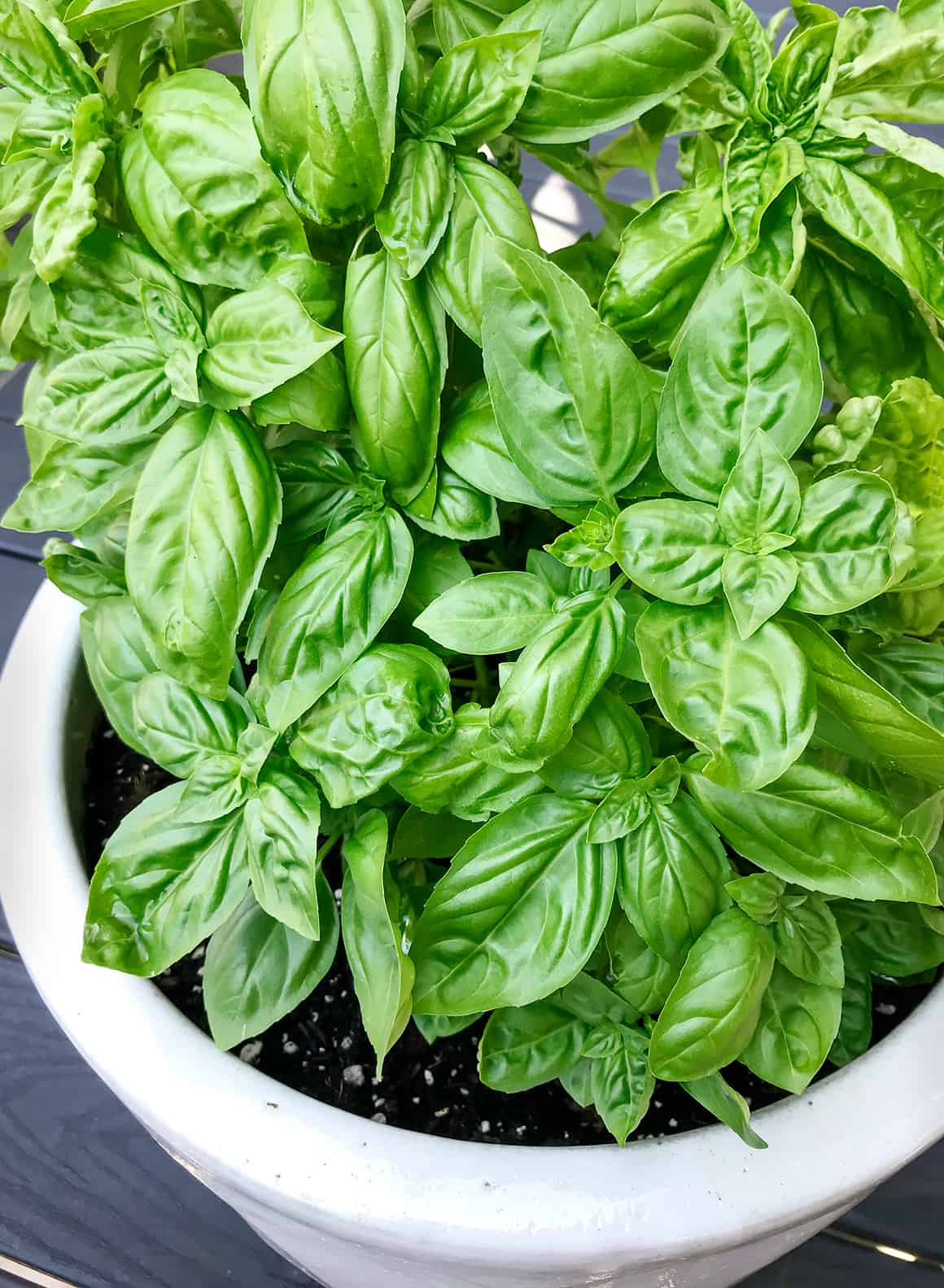
Have you ever considered growing your own basil, not just from seedlings, but from the very beginning – the tiny, humble basil seed? It's an incredibly rewarding experience, watching a plant emerge from virtually nothing and eventually provide you with fragrant leaves for your culinary creations. But like any gardening endeavor, patience is key. Understanding the basil seeds growing time is essential for success.
Basil Seeds Growing Time: A Comprehensive Guide
Understanding thebasil seeds growing time is crucial for planning your garden and anticipating when you can harvest those flavorful leaves. Several factors influence how quickly your basil seeds will germinate and mature into a flourishing plant. Let's delve into the details.
Germination Time for Basil Seeds
The first step in the journey is germination. This is when the seed sprouts and begins to grow. The typicalbasil seeds germination time ranges from5 to 10 days. However, several factors can influence this timeframe:
- Temperature: Basil seeds germinate best in warm soil temperatures, ideally between 70°F and 80°F (21°C and 27°C). Cooler temperatures can significantly slow down germination.
- Moisture: Consistent moisture is vital. The soil should be damp but not waterlogged. Allowing the soil to dry out can kill the germinating seed.
- Light: While not strictly necessary for germination, providing some light can encourage faster sprouting.
- Seed Quality: Fresh, high-quality seeds will germinate more readily than older seeds.
Tip: You can pre-soak your basil seeds for a few hours before planting to speed up germination. This helps to soften the seed coat and allow moisture to penetrate more easily.
From Seedling to Harvest: Basil Growing Stages
Once your basil seeds have germinated, the real fun begins! But it’s important to understand the entirebasil seeds to harvest time frame. Here’s a breakdown of the key stages and what to expect:
Early Seedling Stage (2-4 weeks after germination)
During this stage, your basil seedlings will be small and delicate, with only a few sets of true leaves. They need consistent moisture and gentle sunlight. Be careful not to overwater, as this can lead to damping off, a fungal disease that can kill young seedlings.
Vegetative Growth Stage (4-8 weeks after germination)
As the seedlings mature, they will enter the vegetative growth stage. This is when they focus on producing leaves and stems. Pinching off the top growth encourages bushier growth and more leaves. Ensure the plant receives adequate sunlight (at least 6 hours per day) and fertilizer.
Fact: Pinching off the flower buds as they appear will encourage the plant to focus its energy on leaf production, resulting in a larger and more flavorful harvest.
Flowering Stage (8+ weeks after germination)
Eventually, your basil plant will start to produce flowers. While the flowers are edible, allowing the plant to flower will reduce leaf production and flavor. Regularly pinching off the flower buds will extend the harvest period. Some gardeners prefer to let a few plants flower to collect seeds for the following year.
Harvest Time
You can start harvesting basil leaves as soon as the plant has a good amount of foliage, typically around 6-8 weeks after germination. Thetotal basil plant growing time can range from 60 to 90 days from seed to maturity.
Table: Basil Seeds Growing Time Summary
| Stage | Timeframe | Key Considerations |
|---|---|---|
| ----------------- | ---------------------- | --------------------------------------------------- |
| Germination | 5-10 days | Warmth, moisture, seed quality |
| Early Seedling | 2-4 weeks after germination | Gentle sunlight, consistent moisture, prevent damping off |
| Vegetative Growth | 4-8 weeks after germination | Pinching, adequate sunlight, fertilization |
| Flowering | 8+ weeks after germination | Pinching off flower buds for extended harvest |
| Harvest | 6-8 weeks after germination (continuous harvest possible) | Harvest before flowering for best flavor |
Factors Affecting Basil Seeds Growing Time
Several factors can influence thetotal time to grow basil from seed. Understanding these factors can help you optimize your growing conditions and ensure a bountiful harvest.
- Sunlight: Basil needs at least 6 hours of direct sunlight per day. Insufficient sunlight can stunt growth and delay maturity.
- Soil: Basil prefers well-draining, fertile soil. Amend your soil with compost or other organic matter to improve drainage and nutrient content.
- Watering: Consistent moisture is crucial, especially during hot weather. Water deeply whenever the top inch of soil feels dry.
- Fertilizer: Basil benefits from regular fertilization, especially during the vegetative growth stage. Use a balanced fertilizer or one specifically formulated for herbs.
- Variety: Different basil varieties may have slightly different growing times. For example, some varieties are known to mature faster than others.
- Pests and Diseases: Pests and diseases can weaken the plant and delay maturity. Monitor your basil plants regularly and take action to control any problems promptly.
If you're looking for a reliable way to water your garden and ensure your basil plants get the moisture they need, you might consider upgrading your watering setup. A qualitygarden hose makes a big difference. The Garden Hose 75 FT with 10-Function Nozzle, Leak-proof Metal Connector Water Hose, No Knots, Kink-Free, Lighter, Anti-Pets, Wear-Resistant, 3/4 GHT, Metal Hose for Garden, Yard, Outdoor (available here: https://amzn.to/3Yv E0Bo) is a great option for efficiently watering your garden. This flexibleoutdoor water line is perfect for reaching all your plants without tangles or leaks.
Troubleshooting Slow Basil Growth
Sometimes, despite your best efforts, your basil plants may grow slower than expected. Here are some common issues and how to address them:
- Lack of Sunlight: Move your basil plants to a sunnier location or supplement with artificial light.
- Poor Soil: Amend your soil with compost or other organic matter to improve drainage and nutrient content.
- Overwatering or Underwatering: Adjust your watering schedule to ensure the soil is consistently moist but not waterlogged.
- Nutrient Deficiency: Fertilize your basil plants regularly with a balanced fertilizer.
- Pests or Diseases: Identify and treat any pests or diseases promptly. Common basil pests include aphids and spider mites. Damping off is a common disease affecting young seedlings.
By understanding thetime it takes to grow basil from seed and addressing any potential issues, you can enjoy a bountiful harvest of fresh, flavorful basil throughout the growing season. Happy gardening!