Picture this: you’re making a delicious pesto, but you're out of fresh basil! A quick trip to the grocery store solves the problem, but what if you could extend the life of that store-bought basil and create an endless supply? The good news is, with a little know-how, you absolutely can! Growing Basil From Store-Bought: A Complete Guide So, can you really grow basil from store bought bunches? Absolutely! It's a fantastic way to save money, reduce waste, and enjoy fresh basil whenever you need it. However, the success of growing basil from store bought depends on a few key factors. This article will walk you through the entire process, from selecting the right basil to harvesting your homegrown leaves. We'll cover everything you need to know to successfully propagate basil from your grocery store haul. Selecting the Right Store-Bought Basil for Propagation Not all store-bought basil is created equal when it comes to propagation. To increase your ...
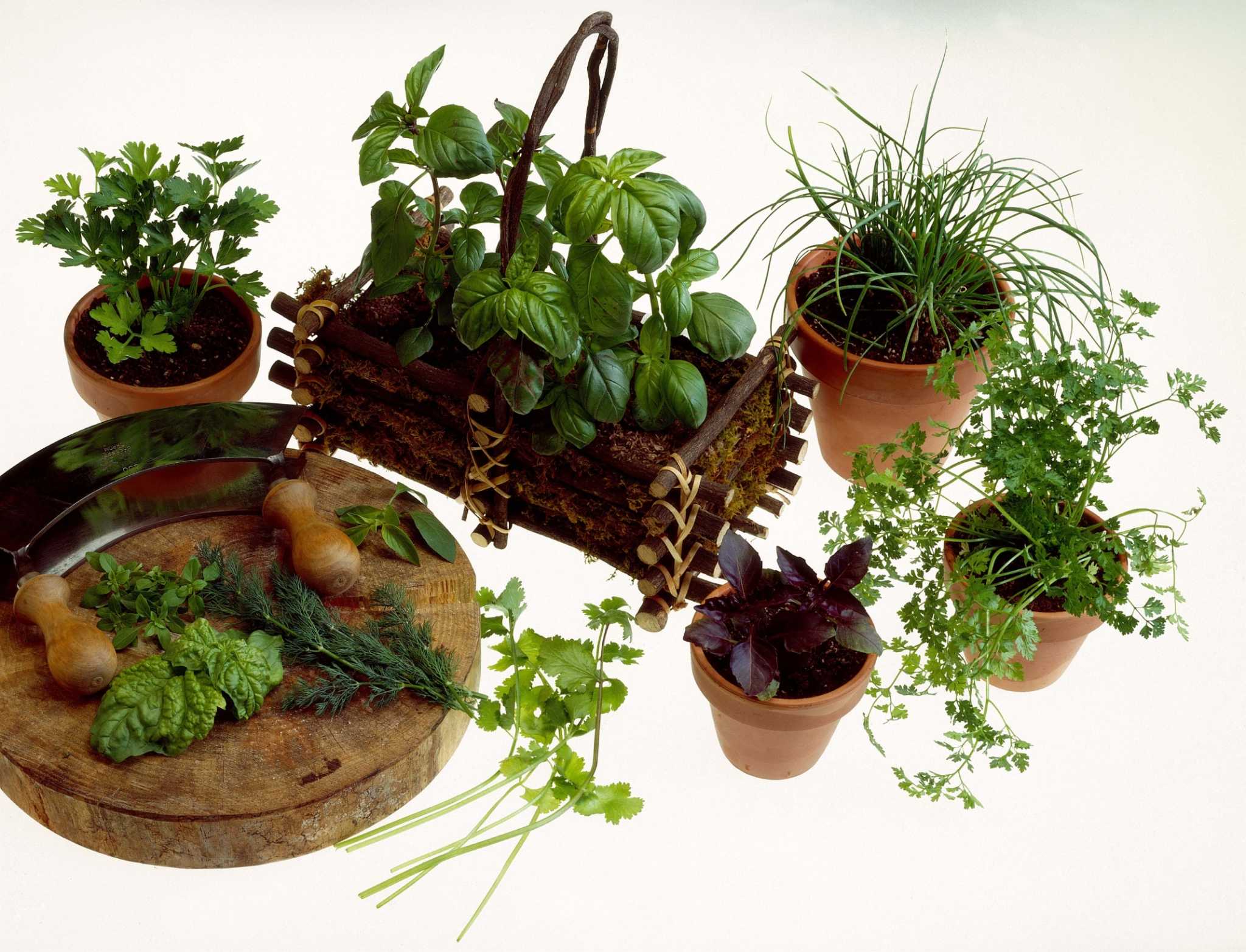
Imagine stepping outside your back door, the warm sun on your face, and snipping fresh, fragrant basil and parsley to add to your favorite dish. Growing your own herbs is easier than you might think, and nothing beats the taste of homegrown goodness. Let's dive into the wonderful world of cultivating these culinary staples right in your own backyard or windowsill!
Growing Basil and Parsley: A Comprehensive Guide
Choosing the Right Varieties to Grow
Before you even think about planting, it’s crucial to select the right varieties of basil and parsley that suit your taste and climate. There's more to basil than just the standard Genovese you find in most supermarkets. And parsley? It comes in more forms than just curly!
Basil Varieties: A World of Flavors
Basil offers a surprising range of flavors and aromas. Here's a look at some popular choices:
- Genovese Basil: The classic choice for pesto and Italian dishes, known for its large, fragrant leaves. It's a must-have for any herb garden.
- Lemon Basil: This variety offers a delightful citrusy aroma and flavor, perfect for teas, salads, and fish dishes. It's a refreshing twist on the traditional basil.
- Thai Basil: With its anise-like flavor, Thai basil is a staple in Southeast Asian cuisine. It pairs well with spicy dishes and adds a unique depth of flavor.
- Purple Basil: Not only is it visually stunning with its deep purple leaves, but it also has a slightly spicier flavor than Genovese basil. It makes a beautiful garnish and adds a unique touch to any dish.
- Globe Basil: This variety grows in a compact, globe shape, making it ideal for containers. It has a milder flavor and is great for adding a touch of basil to everyday meals.
Parsley Varieties: Curly vs. Flat-Leaf
Parsley may seem simple, but there are two main types:
- Curly Parsley: The most common type, often used as a garnish. It has a slightly milder flavor than flat-leaf parsley and a more decorative appearance.
- Flat-Leaf Parsley (Italian Parsley): This variety boasts a more robust flavor and is preferred by chefs for cooking. It's more versatile and holds its flavor better when heated.
Consider your culinary preferences and available space when choosing your varieties. If you're tight on space, globe basil is a great option. If you love pesto, Genovese is a must. And if you're looking for a parsley with a strong flavor, go for flat-leaf.
Understanding the Growing Conditions Required to Grow Basil and Parsley
Successful herb gardening relies heavily on providing the right environment. Basil and parsley, while relatively easy to grow, have specific needs when it comes to sunlight, soil, and water.
Sunlight: Basking in the Light
Both basil and parsley thrive infull sun, meaning at least 6-8 hours of direct sunlight per day. Without enough sunlight, they can become leggy and produce fewer leaves. If you're growing them indoors, place them near a sunny window or use grow lights to supplement natural light.
Tip: Rotate your indoor plants regularly to ensure even light exposure on all sides.
Soil: The Foundation of Growth
Well-draining soil is essential for both basil and parsley. They don't like to sit in soggy soil, which can lead to root rot. A loamy soil that's rich in organic matter is ideal. You can improve drainage by adding perlite or sand to the soil mix.
Recipe for a great potting mix:
- 1 part potting soil
- 1 part compost
- 1 part perlite or coarse sand
Watering: Finding the Right Balance
Water basil and parsley regularly, keeping the soil consistently moist but not waterlogged. Check the soil moisture by sticking your finger about an inch deep. If it feels dry, it's time to water. Avoid overhead watering, which can promote fungal diseases. Instead, water at the base of the plants.
Important note: Overwatering is a common mistake that can kill your herbs. Make sure your pots have drainage holes and that the soil isn't compacted.
Planting and Propagation: Getting Started
Now that you've chosen your varieties and understand the growing conditions, it's time to get your hands dirty! You can start basil and parsley from seeds or purchase seedlings from a nursery.
Starting from Seeds: A Rewarding Experience
Starting from seeds is a cost-effective way to grow basil and parsley. Sow seeds indoors 6-8 weeks before the last expected frost or directly sow them outdoors after the danger of frost has passed.
Steps for starting seeds indoors:
- Fill seed trays or small pots with seed-starting mix.
- Moisten the soil.
- Sow seeds thinly, covering them lightly with soil.
- Cover the trays with a plastic dome or plastic wrap to retain moisture.
- Place the trays in a warm, sunny location or under grow lights.
- Once the seedlings emerge, remove the plastic cover and thin them out, leaving the strongest seedlings.
- Transplant the seedlings into larger pots when they have a few sets of true leaves.
Transplanting Seedlings: Moving to a New Home
When transplanting seedlings, choose a spot with plenty of sunlight and well-draining soil. Gently remove the seedlings from their pots and plant them at the same depth they were growing in before. Space basil plants about 12-18 inches apart and parsley plants about 6-8 inches apart.
Tip: Water the seedlings thoroughly after transplanting and apply a layer of mulch to help retain moisture and suppress weeds.
Propagation: Making More Plants
Basil can also be easily propagated from stem cuttings. Simply take a 4-6 inch cutting from a healthy basil plant, remove the lower leaves, and place the cutting in a glass of water. Roots will typically form within a week or two. Once the roots are about an inch long, you can transplant the cutting into a pot filled with soil.
Caring for Your Basil and Parsley: Nurturing Growth
Once your basil and parsley are planted, regular care is essential to keep them healthy and productive.
Fertilizing: Providing Essential Nutrients
Basil and parsley benefit from regular fertilization. Use a balanced organic fertilizer or compost tea every few weeks to provide them with the nutrients they need. Avoid over-fertilizing, which can lead to leggy growth and reduced flavor.
Pruning and Harvesting: Encouraging Bushiness
Regular pruning and harvesting are crucial for keeping your basil and parsley plants bushy and productive. Pinch off the top growth of basil plants to encourage them to branch out. Harvest parsley by cutting the outer leaves, leaving the inner leaves to continue growing.
Tip: Pinch off any flower buds that appear on basil plants, as flowering can reduce the flavor of the leaves.
To keep your plants healthy and thriving, consider investing in a quality garden hose. The Garden Hose 75 FT with 10-Function Nozzle is a great option for watering your herbs and garden. Its leak-proof metal connector and kink-free design will make watering a breeze, and you can purchase it here: https://amzn.to/3Yv E0Bo. This durable, anti-pet, and wear-resistant yard hose will be your gardening companion for years to come.
Pest and Disease Control: Keeping Your Plants Healthy
Basil and parsley are generally resistant to pests and diseases, but they can occasionally be affected by aphids, spider mites, or fungal diseases. Inspect your plants regularly and take action if you notice any problems.
Common pests and diseases:
- Aphids: Small, soft-bodied insects that suck sap from plants. Control them with insecticidal soap or neem oil.
- Spider Mites: Tiny mites that create webs on plants. Control them with insecticidal soap or miticides.
- Fungal Diseases: Such as powdery mildew or leaf spot. Prevent them by providing good air circulation and avoiding overhead watering. Treat them with fungicides if necessary.
Harvesting and Storing: Preserving the Flavor
Harvesting your basil and parsley at the right time and storing them properly will ensure that you can enjoy their fresh flavor for as long as possible.
When to Harvest: Timing is Key
Harvest basil when the plants have reached about 6-8 inches in height. Harvest parsley as needed, cutting the outer leaves.
Storing Fresh Herbs: Keeping the Flavor Alive
Freshly harvested basil and parsley can be stored in the refrigerator for a few days. Wrap them loosely in a damp paper towel and place them in a plastic bag. You can also freeze basil leaves for longer storage. Blanch them briefly in boiling water, then shock them in ice water. Drain them well and freeze them in freezer bags. Parsley can be frozen similarly.
Another storage tip: Place basil stems in a glass of water, like cut flowers, and keep them on the counter. Change the water every day.
Enjoying Your Harvest: Culinary Delights
Now for the best part: using your homegrown basil and parsley in your favorite recipes!
Basil: A Culinary Staple
Basil is a versatile herb that can be used in a wide variety of dishes. It's a key ingredient in pesto, pasta sauces, salads, and pizzas. It also pairs well with tomatoes, mozzarella cheese, and olive oil.
Parsley: A Flavorful Garnish and Ingredient
Parsley is a classic garnish that adds a fresh, herbaceous flavor to many dishes. It can also be used as an ingredient in soups, stews, salads, and sauces. Flat-leaf parsley is particularly well-suited for cooking.
Growing your own basil and parsley is a rewarding experience that will enhance your culinary creations and bring joy to your garden. With a little bit of knowledge and care, you can enjoy the fresh flavor of homegrown herbs all season long. Happy gardening!