Picture this: you’re making a delicious pesto, but you're out of fresh basil! A quick trip to the grocery store solves the problem, but what if you could extend the life of that store-bought basil and create an endless supply? The good news is, with a little know-how, you absolutely can! Growing Basil From Store-Bought: A Complete Guide So, can you really grow basil from store bought bunches? Absolutely! It's a fantastic way to save money, reduce waste, and enjoy fresh basil whenever you need it. However, the success of growing basil from store bought depends on a few key factors. This article will walk you through the entire process, from selecting the right basil to harvesting your homegrown leaves. We'll cover everything you need to know to successfully propagate basil from your grocery store haul. Selecting the Right Store-Bought Basil for Propagation Not all store-bought basil is created equal when it comes to propagation. To increase your ...
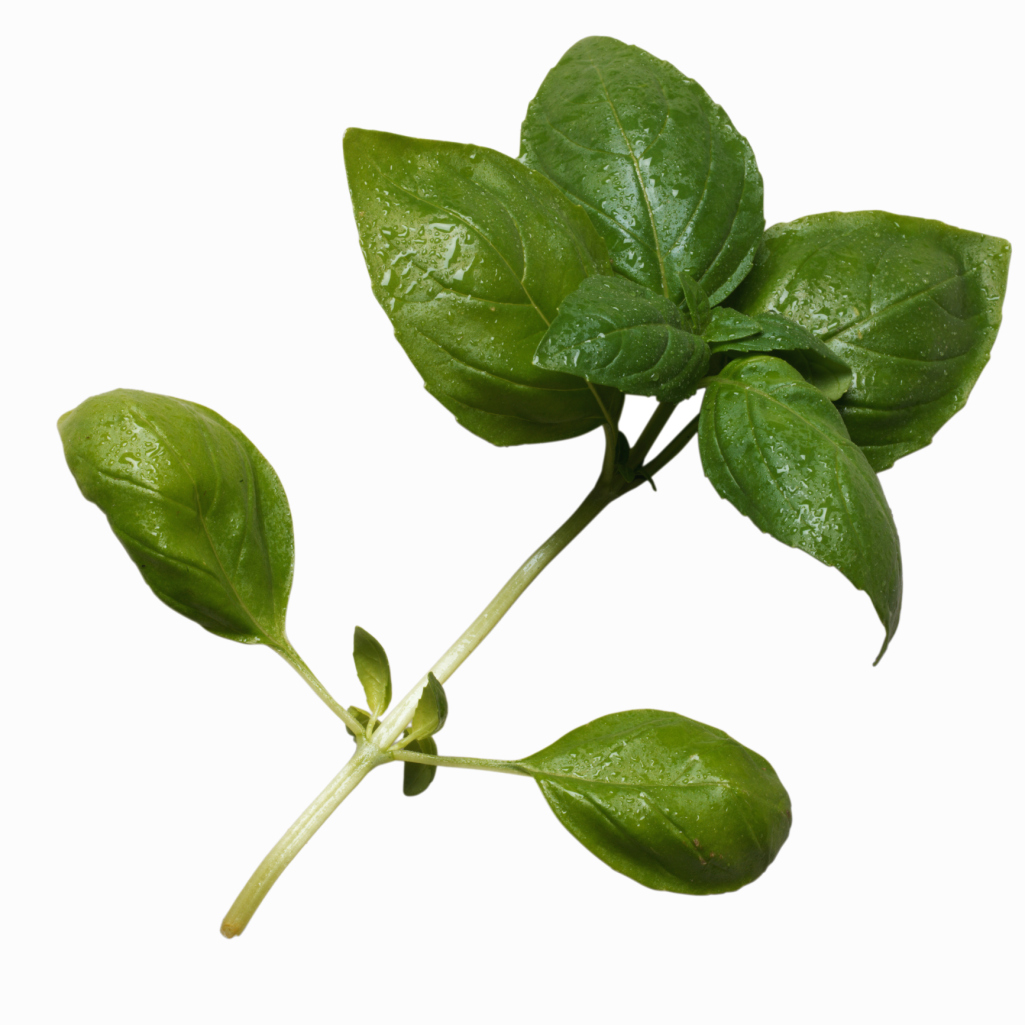
Basil, the fragrant herb that elevates everything from pasta sauces to refreshing summer cocktails, is surprisingly easy to cultivate indoors. Forget the sprawling garden; an open terrarium offers a charming and manageable way to enjoy fresh basil right on your windowsill. Let's explore how to successfully grow basil in an open terrarium.
Grow Basil In Open Terrarium: A Complete Guide
Understanding Open Terrariums for Basil
An open terrarium, unlike its closed counterpart, doesn't trap humidity. This crucial difference makes it a much more suitable environment for basil. Basil thrives in well-ventilated conditions and can be susceptible to fungal diseases in overly humid environments. The open design allows for air circulation, preventing moisture build-up and creating a healthier space for your basil to flourish.
Think of an open terrarium as a miniature garden within a glass container. The goal is to mimic basil's natural environment, providing the right light, soil, and airflow. This doesn't need to be overly complicated or expensive. A simple glass bowl, a recycled jar, or even a creatively repurposed container can serve as your terrarium.
Essential Materials for Your Basil Terrarium
Before you begin, gather these key components:
- Container: Choose a glass container with a wide opening for easy access and good ventilation. Consider size - smaller containers require more frequent watering and attention.
- Drainage Layer: This is crucial! Use pebbles, gravel, or horticultural charcoal to create a layer at the bottom of your container. This layer prevents water from pooling around the roots, which can lead to root rot. A good drainage layer should be about 1-2 inches deep.
- Soil: Select a well-draining potting mix specifically formulated for herbs or vegetables. Avoid using garden soil, as it can be too dense and may contain pests or diseases.
- Basil Seeds or Seedlings: You can start from seeds or purchase established seedlings from a nursery. Seedlings offer a faster route to harvesting, while starting from seeds allows you to choose from a wider variety of basil types.
- Watering Can or Spray Bottle: For gentle and controlled watering.
- Optional Decorations: Small rocks, decorative moss, or other natural elements to enhance the aesthetic appeal of your terrarium.
For ensuring adequate watering of your basil in open terrarium, consider utilizing a reliablegarden watering system. A great option is the Garden Hose 75 FT with 10-Function Nozzle, Leak-proof Metal Connector Water Hose, No Knots, Kink-Free, Lighter, Anti-Pets, Wear-Resistant, 3/4 GHT, Metal Hose for Garden, Yard, Outdoor, which you can find here: https://amzn.to/3Yv E0Bo. This versatile and durable75-foot garden hose makes watering your plants a breeze!
Step-by-Step Guide: Planting Basil in an Open Terrarium
Follow these steps to create a thriving basil terrarium:
- Prepare the Container: Thoroughly clean your chosen container with soap and water and allow it to dry completely.
- Create the Drainage Layer: Add a 1-2 inch layer of pebbles, gravel, or horticultural charcoal to the bottom of the container. This layer will ensure proper drainage and prevent waterlogging.
- Add the Soil: Gently pour the well-draining potting mix over the drainage layer, leaving about an inch of space at the top of the container.
- Plant the Basil:
- From Seeds: Sprinkle basil seeds evenly over the soil surface and lightly cover them with a thin layer of soil. Mist the soil gently with water.
- From Seedlings: Carefully remove the basil seedling from its container, gently loosen the roots, and plant it in the terrarium. Make sure the top of the root ball is level with the soil surface.
- Water Thoroughly: Water the soil gently until it is evenly moist, but not waterlogged. Use a spray bottle or watering can with a gentle nozzle to avoid disturbing the soil.
- Choose the Right Location: Place the terrarium in a location that receives at least 6-8 hours of direct sunlight per day. A south-facing windowsill is ideal. If you don't have enough natural light, you can supplement with a grow light.
Caring for Your Basil Terrarium
Maintaining a healthy basil terrarium requires consistent care. Here are some key tips:
Watering
Basil needs consistent moisture, but avoid overwatering. Check the soil moisture regularly by sticking your finger about an inch into the soil. If the soil feels dry, it's time to water. Water thoroughly, allowing excess water to drain out of the drainage layer. In general, water every few days, depending on the humidity and temperature. Basil prefers slightly drier conditions, so err on the side of underwatering rather than overwatering.
Light
Basil needs ample sunlight to thrive. If you're not providing enough natural light (6-8 hours daily), supplement with a grow light. Position the light a few inches above the basil plant. Insufficient light can lead to leggy growth and reduced flavor.
Fact: Lack of proper lighting can cause the plant to reach for the sun, resulting in long and weak stems.
Fertilizing
Basil benefits from regular fertilization, especially during the growing season. Use a balanced liquid fertilizer diluted to half strength every 2-4 weeks. Avoid over-fertilizing, as this can lead to excessive foliage growth at the expense of flavor. Look for fertilizers specifically designed for herbs or vegetables.
Pruning
Pruning is essential for maintaining a bushy and productive basil plant. Regularly pinch off the top sets of leaves to encourage lateral growth. This will result in a fuller, more compact plant with more leaves to harvest. Also, remove any flowers that appear. Flowering signals the end of the plant's life cycle and can reduce leaf production. By removing the flowers, you encourage the plant to focus its energy on producing more leaves.
Data: Pruning regularly can increase basil yield by up to 50%.
Ventilation
While an open terrarium provides better ventilation than a closed one, it's still important to ensure adequate airflow. Avoid placing the terrarium in a stuffy or poorly ventilated area. Occasionaly, you can use a small fan to circulate the air around the terrarium, which can help prevent fungal diseases.
Pest and Disease Control
Basil is relatively pest-resistant, but it can be susceptible to aphids, spider mites, and whiteflies. Inspect your plant regularly for signs of infestation. If you find pests, treat them with insecticidal soap or neem oil. Fungal diseases, such as downy mildew, can also be a problem in humid environments. Proper ventilation and avoiding overwatering can help prevent these diseases. If you notice signs of fungal disease, remove the affected leaves and treat the plant with a fungicide.
Harvesting and Using Your Basil
You can start harvesting basil leaves once the plant is about 6-8 inches tall. Pinch off the top sets of leaves, leaving at least 4-6 leaves on the stem. This will encourage the plant to produce more leaves. Harvest regularly to keep the plant productive. Fresh basil leaves are best used immediately, but they can also be stored in the refrigerator for a few days. To store basil, wrap the leaves in a damp paper towel and place them in a plastic bag in the refrigerator. You can also dry basil leaves for later use.
Enjoy the fresh, aromatic basil you've grown in your open terrarium! Use it in your favorite recipes, such as pesto, pasta sauces, salads, and soups. Fresh basil is also a delicious addition to sandwiches, pizzas, and omelets. The possibilities are endless!
Troubleshooting Common Issues
Even with the best care, you may encounter some issues when growing basil in an open terrarium. Here are some common problems and how to fix them:
- Yellowing Leaves: Overwatering, underwatering, nutrient deficiency, or pest infestation. Adjust watering, fertilize, and inspect for pests.
- Leggy Growth: Insufficient light. Provide more sunlight or supplement with a grow light.
- Wilting Leaves: Overwatering, underwatering, or root rot. Adjust watering and ensure proper drainage.
- Brown Spots on Leaves: Fungal disease. Improve ventilation and treat with a fungicide.
Varieties of Basil to Grow in Terrariums
While sweet basil is the most common and readily available, many other basil varieties thrive in open terrariums. Experiment with different types to discover your favorites!
- Sweet Basil: The classic, all-purpose basil with a sweet, slightly peppery flavor.
- Thai Basil: Anise-flavored basil with pointed leaves, commonly used in Asian cuisine.
- Lemon Basil: Citrusy basil with a bright, lemony aroma and flavor.
- Purple Basil: Beautiful ornamental basil with deep purple leaves and a slightly spicy flavor.
- Globe Basil: Compact, globe-shaped basil with small leaves and a mild flavor, perfect for small terrariums.
Conclusion
Growing basil in an open terrarium is a rewarding and accessible way to enjoy fresh herbs year-round. With the right materials, care, and a little patience, you can create a thriving miniature garden that will provide you with a constant supply of aromatic basil leaves. So, give it a try and experience the joy of growing your own basil!