Picture this: you’re making a delicious pesto, but you're out of fresh basil! A quick trip to the grocery store solves the problem, but what if you could extend the life of that store-bought basil and create an endless supply? The good news is, with a little know-how, you absolutely can! Growing Basil From Store-Bought: A Complete Guide So, can you really grow basil from store bought bunches? Absolutely! It's a fantastic way to save money, reduce waste, and enjoy fresh basil whenever you need it. However, the success of growing basil from store bought depends on a few key factors. This article will walk you through the entire process, from selecting the right basil to harvesting your homegrown leaves. We'll cover everything you need to know to successfully propagate basil from your grocery store haul. Selecting the Right Store-Bought Basil for Propagation Not all store-bought basil is created equal when it comes to propagation. To increase your ...
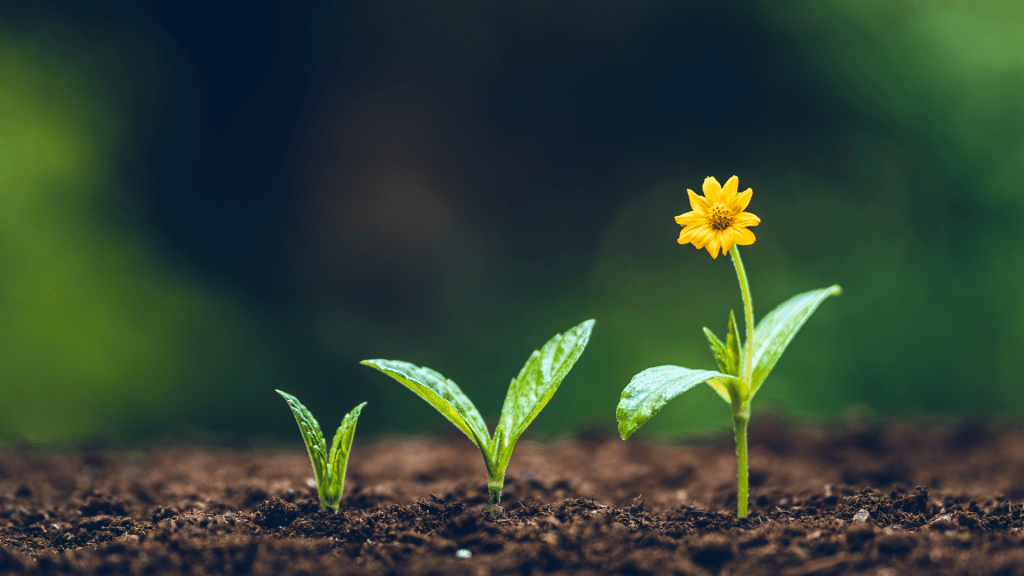
Dreaming of fresh, fragrant basil all year round? Whether you're battling short winter days or simply lack a sunny windowsill, grow lights can be your secret weapon to cultivating thriving basil plants indoors. Let's dive into everything you need to know about selecting and using grow lights to keep your basil happy and productive.
Why Use Grow Lights for Basil Plants?
Basil, a sun-loving herb originating from tropical regions, thrives with plenty of light. Ideally, basil needs 6-8 hours of direct sunlight per day. In many homes, especially during the colder months, this simply isn't possible. This is wheregrow lights for basil plants come into play.
- Insufficient Sunlight: Indoor environments often lack the intensity and duration of sunlight needed for optimal basil growth.
- Seasonal Limitations: Winter months significantly reduce natural light availability, hindering basil's growth and flavor.
- Controlled Environment: Grow lights provide a consistent and controllable light source, allowing you to tailor the light spectrum and intensity to meet your basil's specific needs, resulting in healthier and more productive plants.
Without adequate light, basil plants can become leggy (tall and spindly), produce smaller leaves, and lose their intense flavor. They might even struggle to survive. Investing in agrow light for basil can be the difference between a struggling plant and a flourishing one, providing you with fresh basil for pesto, salads, and more, year-round.
Understanding Light Spectrum for Basil Growth
Not all light is created equal when it comes to plant growth. Basil, like other plants, utilizes specific wavelengths of light for photosynthesis, the process of converting light energy into food. Understanding the light spectrum is crucial for choosing the rightgrow lights for your basil plants.
Photosynthetically Active Radiation (PAR)
PAR refers to the range of light wavelengths (400-700 nanometers) that plants can use for photosynthesis. Within PAR, different colors of light play distinct roles:
- Blue Light (400-500 nm): Promotes vegetative growth, strong stems, and healthy leaf development. It’s particularly important in the early stages of basil's life.
- Red Light (600-700 nm): Encourages flowering and fruiting. While basil is primarily grown for its leaves, a little red light can still be beneficial for overall plant health.
- Green Light (500-600 nm): While previously thought to be less important, research shows that green light can penetrate deeper into the leaf canopy than red or blue light, contributing to photosynthesis in lower leaves.
Ideally, agrow light system for basil should provide a balanced spectrum of blue and red light, with some green light as well. This can be achieved through "full-spectrum" grow lights, which mimic the spectrum of natural sunlight. Some growers even prefer a slightly "red-heavy" light spectrum to ensure robust growth.
Light Intensity (PPFD)
Beyond the spectrum, light intensity is another critical factor. PPFD, or Photosynthetic Photon Flux Density, measures the amount of PAR light that actually reaches the plant's surface. It's measured in micromoles per square meter per second (µmol/m²/s). Basil thrives in relatively high light intensity.
Aim for a PPFD of at least 150-200 µmol/m²/s for basil. You can use a light meter to measure the PPFD at the top of your plants. If you don't have a light meter, you can adjust the distance between the light and your plants – closer for higher intensity, further for lower intensity.
Types of Grow Lights for Basil
The market offers a wide variety ofgrow lights for basil, each with its own advantages and disadvantages. Here's a breakdown of the most common types:
LED Grow Lights
LED (Light Emitting Diode) grow lights are the most popular choice for indoor gardening due to their energy efficiency, long lifespan, and customizable spectrum. They generate relatively little heat, reducing the risk of burning your plants. LED lights tailored specifically for plants are available in "full spectrum", with the optimal red and blue light ratios for vegetative growth.
- Pros: Energy-efficient, long lifespan, low heat, customizable spectrum, available in various sizes and shapes.
- Cons: Can be more expensive upfront than other types of grow lights.
Fluorescent Grow Lights
Fluorescent grow lights, including T5 and compact fluorescent lamps (CFLs), are a more affordable option than LEDs. They produce a decent amount of light for basil plants, although they are less energy-efficient and have a shorter lifespan.
- Pros: More affordable than LEDs, readily available.
- Cons: Less energy-efficient, shorter lifespan, produce more heat than LEDs, limited spectrum control.
Incandescent Grow Lights
Incandescent lights are generally not recommended for growing basil. They produce very little useful light for plants and generate a lot of heat, which can damage or dry out the plants.
- Pros: Inexpensive to purchase.
- Cons: Highly inefficient, short lifespan, produce excessive heat, provide inadequate light spectrum for plant growth.
HID (High-Intensity Discharge) Grow Lights
HID lights, such as metal halide (MH) and high-pressure sodium (HPS) lights, are powerful lights often used for larger-scale indoor gardening. They produce a lot of light, but they also generate a significant amount of heat and consume a lot of energy. They are generally not suitable for small indoor basil gardens.
- Pros: High light output.
- Cons: High energy consumption, high heat output, expensive, require a ballast.
Choosing the Right Grow Light for Your Basil Plants
Selecting the bestgrow light for your basil plant depends on your budget, space, and desired level of control. Here are some key factors to consider:
- Size of your growing area: A small LED panel might be sufficient for a few basil plants, while a larger grow tent might require a more powerful LED or fluorescent fixture.
- Budget: LEDs are generally more expensive upfront but offer long-term cost savings due to their energy efficiency.
- Heat management: LEDs generate the least heat, making them ideal for small spaces where temperature control is a concern.
- Spectrum control: If you want to fine-tune the light spectrum for optimal basil growth, choose LEDs that allow you to adjust the blue and red light ratios.
For most home gardeners, LED grow lights are the best option for growing basil indoors. They offer a good balance of performance, energy efficiency, and affordability.
Setting Up Your Grow Light System for Basil
Once you've chosen yourgrow light for growing basil indoors, you need to set it up properly to ensure your plants receive the right amount of light.
Distance and Duration
The distance between the grow light and your basil plants is crucial. Too close, and the leaves could get burned. Too far, and the plants won't receive enough light. Here's a general guideline:
- LED Grow Lights: Start with the light 12-18 inches above the top of the plants and adjust as needed.
- Fluorescent Grow Lights: Position the light 4-6 inches above the plants.
Monitor your plants closely for signs of light stress, such as bleached leaves or stunted growth. Adjust the distance accordingly. As for duration, aim for 14-16 hours of light per day. You can use a timer to automate the on/off cycle.
Air Circulation
Good air circulation is essential for healthy basil growth, especially under grow lights. It helps to prevent fungal diseases and ensures that the plants receive enough carbon dioxide for photosynthesis. A small fan can provide adequate air circulation.
Watering and Nutrients
Basil grown under grow lights will typically need more water and nutrients than basil grown outdoors. Monitor the soil moisture regularly and water when the top inch of soil feels dry. Use a balanced liquid fertilizer diluted to half strength to feed your plants every 2-4 weeks. Check out some fantasticindoor grow lights for basil plants while you're at it!
Troubleshooting Common Problems
Even with the best grow light setup, you might encounter some problems. Here are some common issues and how to address them:
- Leggy growth: This indicates insufficient light. Move the light closer to the plants or increase the light duration.
- Yellowing leaves: This could be due to overwatering, underwatering, or nutrient deficiency. Adjust your watering schedule and fertilize as needed.
- Burnt leaves: This indicates that the light is too close to the plants. Move the light further away.
- Pests: Indoor plants can still be susceptible to pests. Inspect your plants regularly and treat any infestations promptly with insecticidal soap or neem oil.
By paying attention to your basil plants and adjusting your grow light setup as needed, you can enjoy a bountiful harvest of fresh basil year-round.
Looking for a way to make watering your basil plants even easier? Consider the advantages of using a high-quality hose for your garden. TheGarden Hose 75 FT with 10-Function Nozzle, Leak-proof Metal Connector Water Hose, No Knots, Kink-Free, Lighter, Anti-Pets, Wear-Resistant, 3/4 GHT, Metal Hose for Garden, Yard, Outdoor offers a tangle-free experience and multiple spray patterns to suit all your watering needs. You can check out this excellent75-foot garden watering tool and find more details at https://amzn.to/3Yv E0Bo.