Picture this: you’re making a delicious pesto, but you're out of fresh basil! A quick trip to the grocery store solves the problem, but what if you could extend the life of that store-bought basil and create an endless supply? The good news is, with a little know-how, you absolutely can! Growing Basil From Store-Bought: A Complete Guide So, can you really grow basil from store bought bunches? Absolutely! It's a fantastic way to save money, reduce waste, and enjoy fresh basil whenever you need it. However, the success of growing basil from store bought depends on a few key factors. This article will walk you through the entire process, from selecting the right basil to harvesting your homegrown leaves. We'll cover everything you need to know to successfully propagate basil from your grocery store haul. Selecting the Right Store-Bought Basil for Propagation Not all store-bought basil is created equal when it comes to propagation. To increase your ...
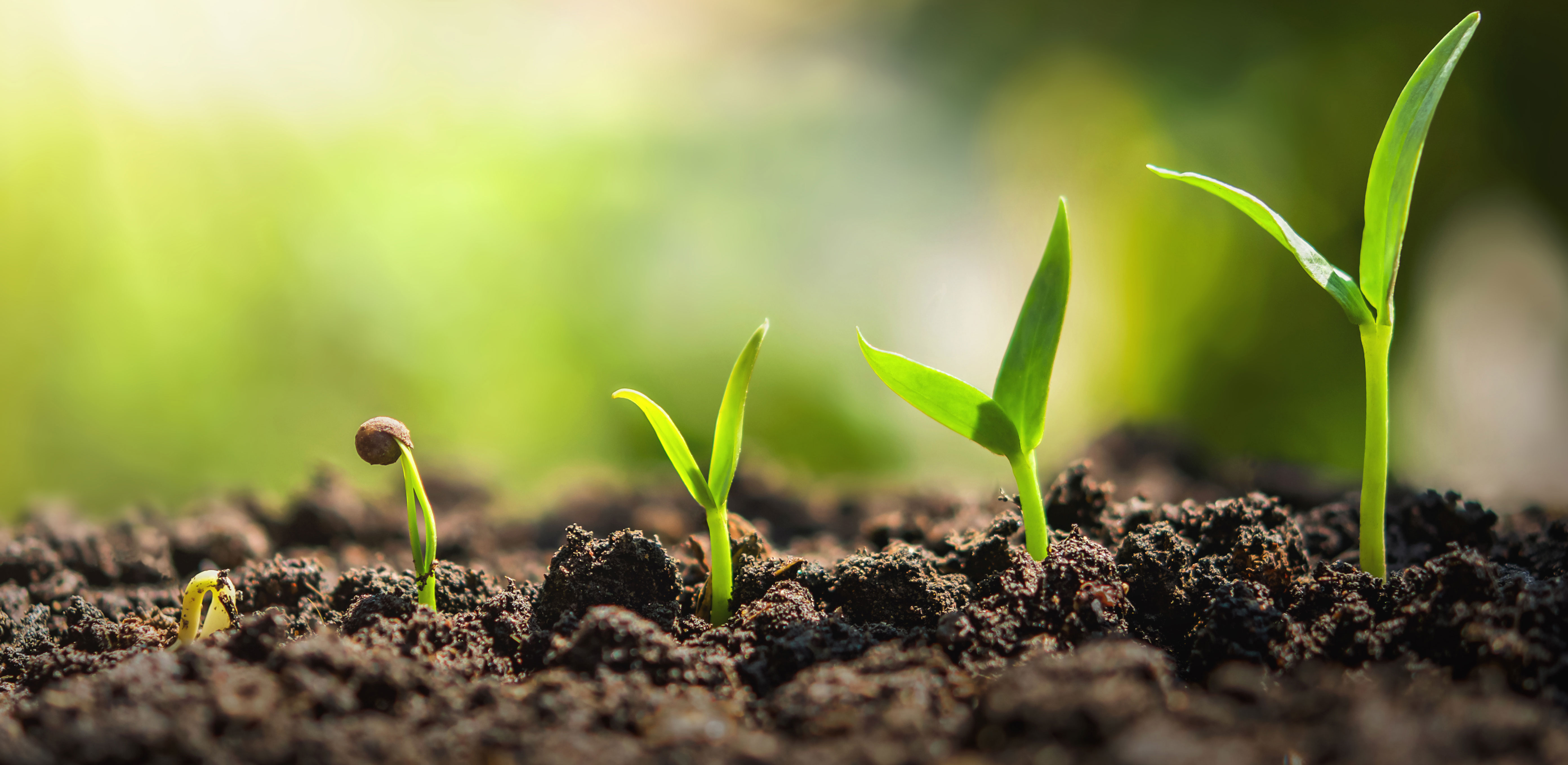
Imagine the aroma of fresh basil filling your kitchen on a cold, grey January day. Sounds idyllic, right? While most associate basil with sunny summer gardens, you absolutely can cultivate this fragrant herb indoors during the UK's winter months. It just requires a little planning and understanding of basil's needs.
Growing Basil Indoors in Winter: A UK Guide
Successfully growing basil indoors in winter in the UK is achievable with the right approach. The key is to mimic basil's natural growing conditions as closely as possible, considering the reduced sunlight and cooler temperatures that characterise the British winter. This section will guide you through the essential steps, from selecting the right variety to providing adequate light and warmth.
Choosing the Right Basil Variety
Not all basil varieties are created equal, especially when it comes to indoor winter growing. Some are more compact and better suited to container gardening, while others are more tolerant of lower light levels. Here's a look at some excellent choices for growing basil during winter:
- Dwarf Basil: As the name suggests, dwarf basil varieties are compact and bushy, making them ideal for small pots and windowsills. They require less light than larger varieties and are relatively easy to maintain. 'Spicy Globe' and 'Greek Column' are popular choices.
- Thai Basil: This variety offers a unique anise-like flavour and is slightly more cold-tolerant than sweet basil. Its sturdy stems and vibrant purple flowers add a touch of colour to your indoor garden.
- Lemon Basil: With its refreshing citrus aroma, lemon basil is a delightful addition to any winter herb garden. It's relatively easy to grow indoors and tolerates slightly cooler temperatures than other varieties.
- Sweet Basil: While sweet basil ('Genovese' is a common cultivar) is the most popular basil, it needs extra attention when grown indoors in winter. Provide plenty of light and warmth, and consider pinching back the leaves regularly to encourage bushier growth.
When selecting your basil variety, consider your culinary preferences and the available growing space. Start with a small number of plants to gain experience and adjust your growing conditions as needed.
Setting Up Your Indoor Basil Garden
Creating the right environment is crucial for successfully growing basil indoors in winter. Consider the following factors:
Light
Basil needs at least 6-8 hours of sunlight per day. During the UK's winter months, this can be a challenge. A south-facing windowsill is ideal, but you may need to supplement with grow lights. Fluorescent or LED grow lights are excellent options, providing the necessary spectrum of light for healthy basil growth. Place the lights a few inches above the plants and adjust as they grow. If you notice your basil plants becoming leggy (stretched out with sparse leaves), it's a sign that they're not getting enough light.
A simple way to test if your plants are getting enough light is to observe their leaf colour. Healthy basil leaves should be a vibrant green. Pale or yellowish leaves indicate insufficient light. Another trick is to rotate your plants regularly to ensure even exposure to light on all sides.
Temperature
Basil thrives in temperatures between 21-27°C (70-80°F). During winter, indoor temperatures can fluctuate, especially near windows. Avoid placing your basil plants near drafty windows or doors. Consider using a heat mat designed for seedlings to provide consistent warmth, particularly during colder nights. Regularly monitor the temperature near your plants with a thermometer to ensure it stays within the optimal range.
Humidity
Basil prefers moderate humidity levels. Dry indoor air, common in winter due to central heating, can be detrimental. Increase humidity by misting your plants regularly with water, placing them on a tray filled with pebbles and water (ensuring the pot doesn't sit directly in the water), or using a humidifier. Grouping plants together can also help create a more humid microclimate.
Potting and Soil
Use well-draining potting mix. Basil doesn't like soggy roots. A mix of peat moss, perlite, and vermiculite is a good option. Choose pots with drainage holes to prevent waterlogging. Terra cotta pots are porous and allow the soil to dry out more quickly, which can be beneficial in humid environments. Avoid using garden soil, as it can compact and drain poorly in containers.
Caring for Your Winter Basil Plants
Proper care is essential for maintaining healthy basil plants throughout the winter months. Here’s what you need to know:
Watering
Water your basil plants when the top inch of soil feels dry to the touch. Avoid overwatering, which can lead to root rot. Water deeply, allowing the excess water to drain out of the drainage holes. Reduce watering frequency during winter, as plants need less water when growth slows down. Use lukewarm water to avoid shocking the roots.
Fertilizing
Basil plants need regular feeding to thrive. Use a balanced liquid fertilizer diluted to half strength every two to four weeks. Avoid over-fertilizing, which can lead to leggy growth and weak stems. Look for a fertilizer specifically formulated for herbs or vegetables. A fertilizer with a higher phosphorus content can promote root growth.
Pruning and Harvesting
Regular pruning is crucial for encouraging bushy growth and preventing your basil plants from becoming leggy. Pinch off the top sets of leaves regularly, just above a node (where leaves emerge from the stem). This will encourage the plant to branch out and produce more leaves. When harvesting, always take the top leaves first, allowing the lower leaves to continue growing. Remove any flowers that appear to prevent the plant from going to seed, which can reduce leaf production and flavour. You can use the harvested basil leaves fresh or dry them for later use.
Pest and Disease Control
Indoor basil plants are generally less susceptible to pests and diseases than outdoor plants. However, they can still be affected by common problems such as aphids, spider mites, and whiteflies. Inspect your plants regularly for signs of infestation, such as small insects on the leaves or webbing. Treat infestations with insecticidal soap or neem oil. Avoid using harsh chemicals indoors. Ensure good air circulation to prevent fungal diseases. Remove any yellowing or spotted leaves promptly.
Troubleshooting Common Problems
Even with the best care, you may encounter some challenges when growing basil indoors in winter. Here are some common problems and their solutions:
- Yellowing Leaves: This can be caused by overwatering, underwatering, nutrient deficiencies, or pest infestations. Check the soil moisture, fertilize appropriately, and inspect for pests.
- Leggy Growth: Insufficient light is the most common cause. Provide more light or move the plants to a sunnier location.
- Slow Growth: This can be due to cold temperatures, lack of nutrients, or insufficient light. Increase the temperature, fertilize, and provide more light.
- Root Rot: Overwatering is the culprit. Allow the soil to dry out more between waterings and ensure good drainage.
Extending Your Basil Harvest
You can extend your basil harvest even further by propagating new plants from cuttings. Simply take a cutting from a healthy stem, remove the lower leaves, and place the cutting in water. Roots should develop within a week or two. Once the roots are a few inches long, you can transplant the cutting into a pot filled with potting mix. This is a great way to create new basil plants from your existing ones, ensuring a continuous supply of fresh basil throughout the winter.
As you nurture your basil plants this winter, consider using a reliable watering solution like theGarden Hose 75 FT with 10-Function Nozzle. This leak-proof metal connector water hosemakes watering easy, preventing knots and kinks, and is lighter than traditional hoses. It’s also wear-resistant and features a 3/4 GHT metal hose fitting. Find yours here:https://amzn.to/3Yv E0Bo.
Enjoying Your Homegrown Basil
There's nothing quite like the taste of fresh, homegrown basil. Use it in your favourite Italian dishes, salads, pesto, or even as a garnish for cocktails. Growing basil indoors in winter in the UK can be a rewarding experience, bringing a touch of summer to your kitchen and enhancing your culinary creations. With a little care and attention, you can enjoy a continuous supply of this fragrant herb, even on the coldest of winter days.