Picture this: you’re making a delicious pesto, but you're out of fresh basil! A quick trip to the grocery store solves the problem, but what if you could extend the life of that store-bought basil and create an endless supply? The good news is, with a little know-how, you absolutely can! Growing Basil From Store-Bought: A Complete Guide So, can you really grow basil from store bought bunches? Absolutely! It's a fantastic way to save money, reduce waste, and enjoy fresh basil whenever you need it. However, the success of growing basil from store bought depends on a few key factors. This article will walk you through the entire process, from selecting the right basil to harvesting your homegrown leaves. We'll cover everything you need to know to successfully propagate basil from your grocery store haul. Selecting the Right Store-Bought Basil for Propagation Not all store-bought basil is created equal when it comes to propagation. To increase your ...
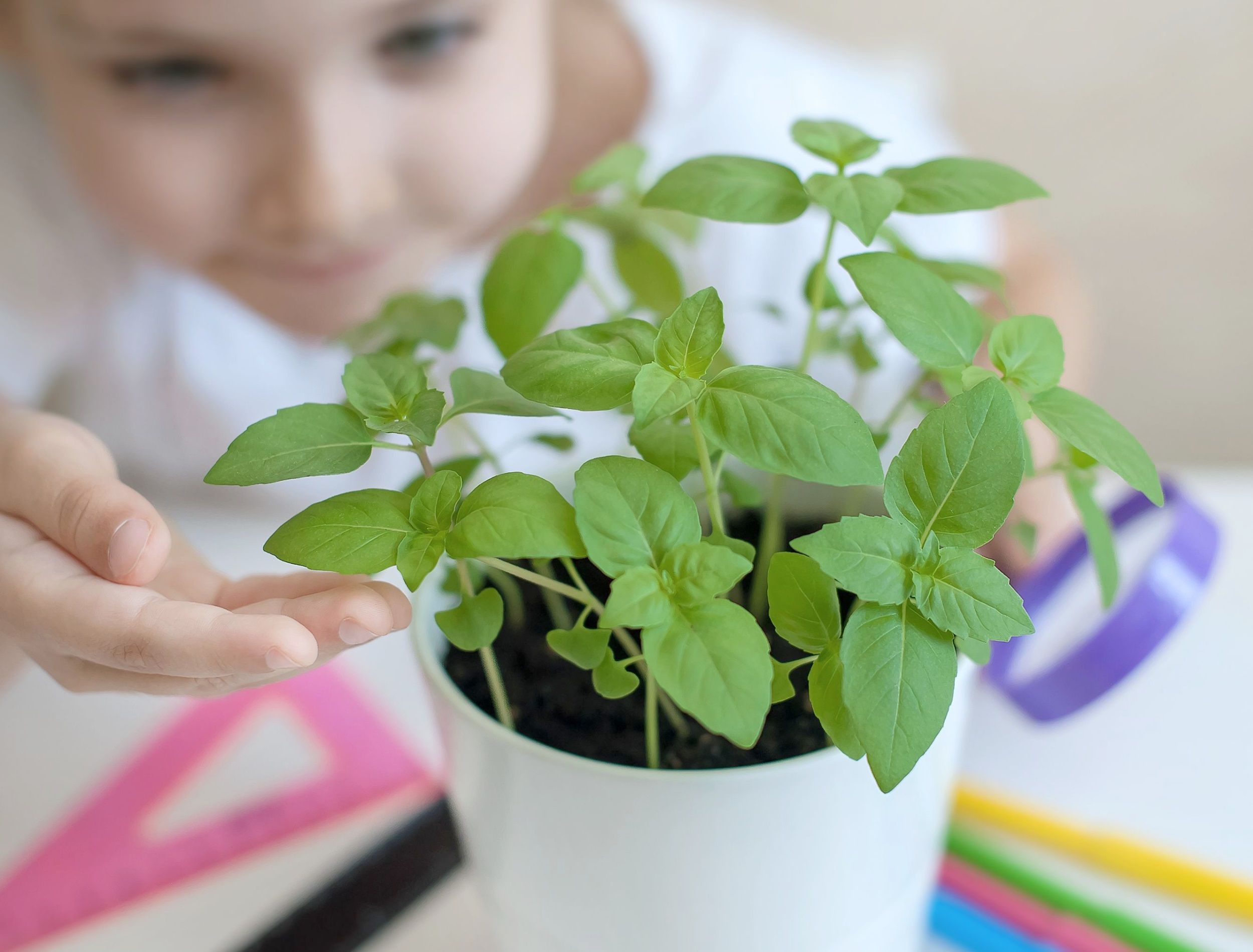
Imagine fresh, fragrant basil leaves gracing your dishes, even in the dead of winter. Sounds idyllic, right? Well, it's not just a dream! Growing basil indoors from seed is surprisingly easy and rewarding, allowing you to enjoy the vibrant flavors of this beloved herb year-round. Let's dive in and unlock the secrets to successful indoor basil cultivation.
Why Grow Basil Indoors From Seed?
There are so many reasons why starting basil seeds indoors is a fantastic idea. First and foremost, it extends your growing season. Forget relying on pricey, pre-packaged herbs from the grocery store. You can have a constant supply of fresh basil at your fingertips, adding that authentic Italian flair to your cooking whenever the mood strikes.
Beyond convenience, growing from seed offers more control. You can choose from a wider variety of basil types than you typically find in stores. Ever wanted to try lemon basil or Thai basil? Growing from seed lets you explore these exciting options. Plus, you know exactly what went into your plants – no hidden pesticides or fertilizers. It's a healthier and more sustainable choice.
Finally, it's just plain fun! There's something deeply satisfying about nurturing a tiny seed into a thriving plant. It's a rewarding hobby that connects you to nature, even when you're stuck indoors. Watching your basil seedlings emerge and flourish is a simple joy that can brighten any day.
Getting Started: What You'll Need to Grow Basil Indoors from Seed
Before you can enjoy the aroma of homegrown basil, you'll need to gather a few essential supplies. Here's a comprehensive list to get you started:
Basil Seeds: Choose a variety that suits your taste and space. Genovese basil is a classic choice, but consider smaller varieties like Spicy Globe basil if space is limited. Seed Starting Trays or Pots: These provide a contained environment for germination. Peat pots, plastic trays with individual cells, or even repurposed egg cartons work well. Seed Starting Mix: This is a sterile, lightweight soil mix formulated for seed germination. Avoid using regular potting soil, as it can be too heavy and compact. Grow Lights: Basil needs plenty of light, especially indoors. A fluorescent grow light or an LED grow light is essential for healthy growth. Watering Can or Spray Bottle: Gentle watering is crucial to avoid disturbing the delicate seedlings. Heat Mat (Optional): Basil seeds germinate best in warm temperatures. A heat mat can help speed up the process, especially in cooler climates. Small Fan (Optional): Gentle air circulation helps prevent fungal diseases and strengthens stems. Potting Soil: Once seedlings are ready to transplant, you'll need a good quality potting soil. Fertilizer: A balanced liquid fertilizer will provide essential nutrients. Plant Markers: Labeling your seeds can help you keep track of what you have planted.
Now, with your supplies ready, let's walk through the step-by-step process of growing basil indoors from seed.
Step-by-Step Guide: Growing Basil Indoors From Seed
Follow these steps carefully, and you'll be well on your way to a bountiful basil harvest.
1. Sowing the Seeds: Preparing for Germination
The first step is to sow your basil seeds. Here's how to do it correctly:
Fill your seed starting trays or pots with seed starting mix. Moisten the mix thoroughly before sowing. Sow the seeds shallowly. Basil seeds need light to germinate, so don't bury them too deep. Gently press them into the surface of the mix. A general guideline is to sow them about ¼ inch deep. Cover the seeds lightly with a thin layer of seed starting mix. Mist the surface gently with water.Avoid overwatering, which can lead to fungal problems. Cover the trays or pots with a clear plastic dome or plastic wrap.This helps to create a humid environment that promotes germination. Place the trays or pots in a warm location.Basil seeds germinate best at temperatures between 70°F and 80°F. Use a heat mat if needed. Monitor the moisture level daily.Keep the seed starting mix consistently moist but not soggy.
2. Germination and Early Growth:Nurturing Your Seedlings
Once your seeds are sown, the waiting game begins. But don't worry, germination usually happens within 5-10 days. Here's what to do during this crucial phase:
Remove the plastic dome or wrap once the seedlings emerge. This will prevent the seedlings from becoming too humid and developing fungal diseases. Provide adequate light. Place the seedlings under grow lights. Keep the lights on for 14-16 hours per day. Position the lights a few inches above the seedlings. Water carefully. Continue to mist the seedlings gently with water as needed. Avoid overwatering. Provide good air circulation. A small fan can help to prevent fungal diseases and strengthen stems. Thin the seedlings. Once the seedlings have developed their first true leaves (the second set of leaves to appear), thin them out, leaving only the strongest seedling in each cell or pot.
3. Transplanting and Ongoing Care: Ensuring a Thriving Basil Plant
After a few weeks, your basil seedlings will be ready to transplant into larger pots. This is a critical step in ensuring their continued growth. Usually seedlings are ready to transplant when they are 2-3 inches tall and have several sets of true leaves.
Choose a pot that is at least 4-6 inches in diameter. Ensure that the pot has drainage holes. Fill the pot with a good quality potting soil. Gently remove the seedlings from the seed starting trays or pots.Be careful not to damage the roots. Plant the seedlings in the pots.Bury the seedlings up to the first set of true leaves. Water the seedlings thoroughly. Place the pots in a sunny location. Basil needs at least 6 hours of sunlight per day. Supplement with grow lights if needed. Fertilize regularly. Feed the basil plants with a balanced liquid fertilizer every 2-4 weeks. Pinch off the flower buds. This will encourage the plant to produce more leaves. Harvest the leaves regularly. This will also encourage the plant to produce more leaves. Monitor for pests and diseases. Treat any problems promptly.
The best way to get the most of this process is to document how the seedlings are doing each day, so that you can reflect on your progress each week and adjust based on your observations.
Troubleshooting Common Problems When Growing Basil Indoors From Seed
Even with the best care, problems can sometimes arise. Here's how to tackle some common issues:
Leggy Seedlings: This usually happens due to insufficient light. Move the grow lights closer to the seedlings or provide more light. Yellowing Leaves: This can be caused by overwatering, underwatering, or nutrient deficiencies. Adjust your watering habits and fertilize regularly. Fungal Diseases: These can be prevented by providing good air circulation and avoiding overwatering. Treat any affected plants with a fungicide. Pests: Aphids, spider mites, and whiteflies can sometimes attack basil plants. Treat any infestations with insecticidal soap or neem oil.
By addressing these issues promptly, you can keep your basil plants healthy and productive.
Harvesting and Enjoying Your Homegrown Basil
The best part of growing basil is, of course, harvesting and enjoying the delicious leaves! Here's how to do it properly:
Harvest the leaves regularly. This will encourage the plant to produce more leaves. Pinch off the top leaves and stems. This will also encourage the plant to become bushier. Harvest the leaves in the morning. This is when they are most flavorful. Use the leaves fresh or dry them for later use.
Add your fresh basil to pasta dishes, salads, sauces, and more. The possibilities are endless!
Additional Tips for Success
Here are a few extra tips to help you succeed in growing basil indoors from seed:
Choose a sunny location. Basil needs at least 6 hours of sunlight per day. Use a good quality potting soil. Water regularly.Basil needs consistently moist soil, but avoid overwatering. Fertilize regularly.Feed the basil plants with a balanced liquid fertilizer every 2-4 weeks. Pinch off the flower buds.This will encourage the plant to produce more leaves. Harvest the leaves regularly.This will also encourage the plant to produce more leaves. Monitor for pests and diseases.Treat any problems promptly. Rotate your crops.This will help to prevent soilborne diseases. Consider companion planting.Basil is said to grow well with tomatoes, peppers, and other vegetables. Experiment with different varieties of basil.There are many different types of basil, each with its own unique flavor.
By following these tips, you can enjoy a bountiful basil harvest year-round!
To ensure that your new basil plants are getting the right amount of water, consider a quality hose. The75 FT Garden Hose with 10-Function Nozzle, Leak-proof Metal Connector Water Hose, No Knots, Kink-Free, Lighter, Anti-Pets, Wear-Resistant, 3/4 GHT, Metal Hose for Garden, Yard, Outdooris a fantastic option for keeping your garden lush and healthy, whether you're tending to indoor herbs or watering your outdoor plants. You can find a durable and tangle-free water pipe at this link:https://amzn.to/3Yv E0Bo.