Picture this: you’re making a delicious pesto, but you're out of fresh basil! A quick trip to the grocery store solves the problem, but what if you could extend the life of that store-bought basil and create an endless supply? The good news is, with a little know-how, you absolutely can! Growing Basil From Store-Bought: A Complete Guide So, can you really grow basil from store bought bunches? Absolutely! It's a fantastic way to save money, reduce waste, and enjoy fresh basil whenever you need it. However, the success of growing basil from store bought depends on a few key factors. This article will walk you through the entire process, from selecting the right basil to harvesting your homegrown leaves. We'll cover everything you need to know to successfully propagate basil from your grocery store haul. Selecting the Right Store-Bought Basil for Propagation Not all store-bought basil is created equal when it comes to propagation. To increase your ...
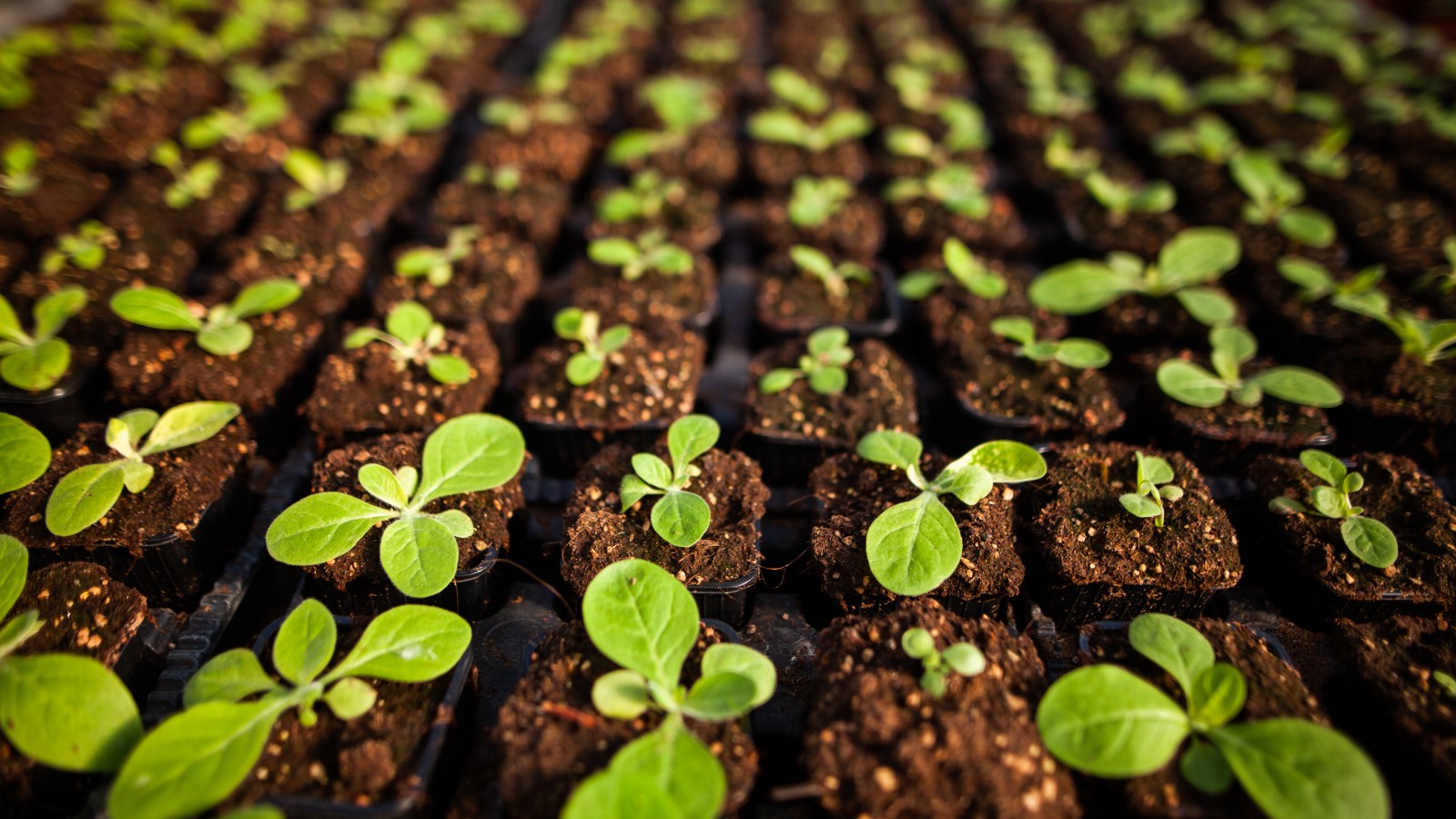
The aroma of fresh basil, wafting through your kitchen on a cold winter day... sounds like a dream, right? Well, it doesn't have to be! Growing basil indoors during the winter months is easier than you might think, and with a little know-how, you can enjoy fresh, homegrown basil even when the snow is falling outside. Let's explore how to bring the taste of summer into your home, all winter long.
Why Grow Basil Indoors in Winter?
There are several compelling reasons to consider indoor basil cultivation during the colder months. First and foremost, it allows you to enjoy the unparalleled flavor of fresh basil year-round. Store-bought basil often lacks the vibrancy and intensity of homegrown. Secondly, growing your own basil provides a sustainable and cost-effective alternative to purchasing it regularly. A single basil plant can provide a surprising amount of leaves over the winter. Finally, tending to plants indoors can be incredibly therapeutic, offering a connection to nature during the often-dreary winter season. This can be particularly beneficial for mental well-being. Consider it a little patch of summer sunshine, right on your windowsill!
Essential Factors for Successfully Growing Basil Indoors During Winter
Successfully growing basil indoors during the winter requires careful attention to a few key factors. Mimicking basil's preferred environment is crucial for healthy growth and abundant harvests.
Light: The Key to Winter Basil Success
Sunlight is the single most important factor when growing basil indoors, especially during the winter. Basil requires at least 6-8 hours of direct sunlight per day. South-facing windows are ideal, but if you don't have one, a grow light is essential. A fluorescent or LED grow light can provide the necessary light spectrum and intensity. Place the light 6-12 inches above the plants, and keep it on for 12-14 hours each day. Look for full-spectrum bulbs, which provide the range of light wavelengths that plants need for photosynthesis.
Consider these light requirements for your indoor basil garden:
- Natural Light: South-facing windows offer the best natural light. Rotate the plant regularly to ensure even exposure.
- Grow Lights: Essential if natural light is insufficient. Use full-spectrum LED or fluorescent lights.
- Light Duration: 12-14 hours of light per day is optimal during winter.
- Distance: Keep grow lights 6-12 inches above the plants.
Temperature: Keeping Basil Warm and Cozy
Basil thrives in warm temperatures, ideally between 65°F and 80°F (18°C and 27°C). Avoid placing your basil plants near drafty windows or doors, as cold drafts can damage the leaves and stunt growth. A consistent temperature is key. If your home tends to be chilly, consider using a heat mat designed for seedlings to provide extra warmth to the roots. Grouping plants together can also help them retain heat and humidity.
Watering: Finding the Right Balance
Watering is another crucial aspect of indoor basil care. Basil prefers consistently moist soil, but avoid overwatering, which can lead to root rot. Water when the top inch of soil feels dry to the touch. Ensure that your pot has drainage holes to prevent water from accumulating at the bottom. Water in the morning, allowing the foliage to dry before nightfall to prevent fungal diseases. During the winter, basil plants generally require less water than during the summer months due to slower growth rates.
Here are some watering tips:
- Check Soil Moisture: Water when the top inch of soil feels dry.
- Drainage: Ensure pots have drainage holes.
- Watering Time: Water in the morning to allow foliage to dry.
- Avoid Overwatering: Overwatering can lead to root rot.
Soil: Providing the Right Nutrients
Basil requires well-draining, nutrient-rich soil. A good quality potting mix specifically formulated for herbs or vegetables is ideal. Avoid using garden soil, as it can become compacted in containers and does not provide adequate drainage. You can also amend your potting mix with compost or other organic matter to boost its nutrient content. Regularly feeding your basil plants with a balanced liquid fertilizer every 2-4 weeks during the growing season will further support healthy growth. Look for a fertilizer specifically formulated for herbs or vegetables, and follow the instructions on the label.
Humidity: Maintaining Optimal Moisture Levels
Basil prefers a moderate to high humidity level. Indoor air can be quite dry during the winter, especially when heating systems are in use. To increase humidity around your basil plants, you can use a humidifier, place the plants on a tray filled with pebbles and water (ensuring the bottom of the pot is not submerged in water), or mist the foliage regularly with water. Grouping plants together can also help create a more humid microclimate.
Choosing the Right Basil Variety for Indoor Winter Growing
While most basil varieties can be grown indoors, some are better suited to container gardening than others. Compact varieties, such as Spicy Globe Basil or Dwarf Basil, are excellent choices for smaller spaces. These varieties tend to be more manageable and less prone to becoming leggy. Genovese basil, the classic Italian basil, can also be grown successfully indoors, but it may require more pruning to maintain its shape. Consider the size of your growing space and your personal preferences when selecting a basil variety.
Planting and Caring for Your Indoor Basil
Whether you're starting from seed or transplanting a young basil plant, proper planting and care are essential for success.
Starting from Seed vs. Transplanting
You can start basil seeds indoors 6-8 weeks before the last expected frost or purchase established basil plants from a nursery. Starting from seed allows you to choose from a wider variety of basil types, but it requires more time and effort. Transplanting established plants is a faster and easier option, but you may have fewer choices in terms of variety. If starting from seed, sow the seeds in a seed-starting mix and keep them consistently moist. Once the seedlings have developed a few sets of true leaves, transplant them into individual pots. When transplanting, be careful not to damage the delicate roots.
Choosing the Right Pot and Soil
Select a pot that is at least 6 inches in diameter and has drainage holes. Terracotta pots are a good choice because they allow the soil to breathe, but plastic pots are also fine. Use a well-draining potting mix that is specifically formulated for herbs or vegetables. Avoid using garden soil, as it can become compacted in containers. Fill the pot with the potting mix, leaving about an inch of space at the top. Gently remove the basil plant from its nursery pot and loosen the roots slightly before planting it in the new pot. Water thoroughly after planting.
Pruning and Harvesting Your Basil
Regular pruning is essential for maintaining the shape and productivity of your indoor basil plants. Pinch off the top sets of leaves when the plant is about 6 inches tall to encourage bushier growth. Remove any flowers that appear, as flowering will cause the plant to stop producing leaves. Harvest basil leaves regularly by snipping them off with scissors. Start harvesting when the plant is about 8 inches tall. Harvesting regularly will encourage the plant to produce more leaves.
Speaking of gardening, you may also want to consider this excellent Garden Hose 75 FT with 10-Function Nozzle, Leak-proof Metal Connector Water Hose, No Knots, Kink-Free, Lighter, Anti-Pets, Wear-Resistant, 3/4 GHT, Metal Hose for Garden, Yard, Outdoor. This 75 ft expandable water hose with its 10-pattern nozzle is a great addition to your gardening tools! Grab yours here: https://amzn.to/3Yv E0Bo.
Troubleshooting Common Problems When Growing Basil Indoors During Winter
Even with the best care, you may encounter some problems when growing basil indoors during the winter. Here are some common issues and how to address them:
Yellowing Leaves
Yellowing leaves can be caused by several factors, including overwatering, underwatering, nutrient deficiencies, or pests. Check the soil moisture and adjust your watering schedule accordingly. If the soil is consistently dry, water more frequently. If the soil is consistently wet, allow it to dry out before watering again. If you suspect a nutrient deficiency, fertilize your basil plants with a balanced liquid fertilizer. Inspect the leaves for pests, such as aphids or spider mites, and treat them accordingly.
Leggy Growth
Leggy growth, characterized by long, spindly stems and few leaves, is usually caused by insufficient light. Move your basil plants to a sunnier location or provide supplemental light with a grow light. Prune the leggy stems to encourage bushier growth.
Pests and Diseases
Indoor basil plants can be susceptible to pests such as aphids, spider mites, and whiteflies. Inspect your plants regularly for signs of infestation and treat them accordingly. You can use insecticidal soap or neem oil to control these pests. Overwatering can lead to fungal diseases such as root rot and powdery mildew. Avoid overwatering and ensure good air circulation around your plants. Remove any infected leaves to prevent the spread of disease.
Enjoying Your Winter Harvest of Fresh Basil
Once you've successfully grown your basil indoors during the winter, it's time to enjoy the fruits (or rather, leaves!) of your labor. Fresh basil can be used in a variety of culinary applications. Add it to salads, soups, sauces, and pesto. Use it to garnish pizzas, pastas, and grilled meats. The possibilities are endless! You can also dry or freeze basil leaves for later use. To dry basil, hang sprigs upside down in a cool, dry place until they are completely dry. To freeze basil, chop the leaves and mix them with a little olive oil before freezing them in ice cube trays.
Growing basil indoors during the winter is a rewarding experience that allows you to enjoy fresh, flavorful herbs year-round. With a little attention to light, temperature, watering, and soil, you can create a thriving indoor basil garden that will brighten your home and your meals all winter long.