Picture this: you’re making a delicious pesto, but you're out of fresh basil! A quick trip to the grocery store solves the problem, but what if you could extend the life of that store-bought basil and create an endless supply? The good news is, with a little know-how, you absolutely can! Growing Basil From Store-Bought: A Complete Guide So, can you really grow basil from store bought bunches? Absolutely! It's a fantastic way to save money, reduce waste, and enjoy fresh basil whenever you need it. However, the success of growing basil from store bought depends on a few key factors. This article will walk you through the entire process, from selecting the right basil to harvesting your homegrown leaves. We'll cover everything you need to know to successfully propagate basil from your grocery store haul. Selecting the Right Store-Bought Basil for Propagation Not all store-bought basil is created equal when it comes to propagation. To increase your ...
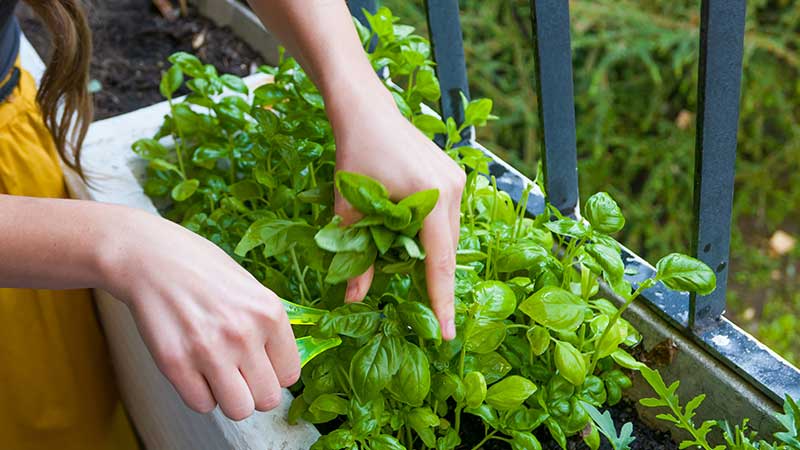
There's something truly magical about snipping fresh basil leaves from your own garden, the aroma instantly transporting you to sun-drenched Italian fields. Growing basil is easier than you might think, and the reward of having a constant supply of this culinary gem is well worth the effort. Let's explore the secrets to successfully growing and caring for basil, from seed to harvest, ensuring you have a thriving basil plant all season long.
Growing And Caring For Basil
Choosing the Right Basil Variety for Your Garden
Before you even think about planting, consider the sheer variety of basil available! Each type offers a unique flavor profile and appearance, so choosing the right one for your needs is crucial. While sweet basil is the most common and widely recognized, there are many other fascinating options to explore.
Sweet Basil: The Classic Choice
This is the basil most of us know and love. Its vibrant green leaves and sweet, slightly peppery flavor make it a staple in Italian cuisine. It's perfect for pesto, tomato sauces, and salads. Sweet basil is relatively easy to grow and readily available.
Thai Basil: An Asian Infusion
Thai basil has a distinctive anise-like flavor with hints of licorice. Its leaves are slightly smaller and more pointed than sweet basil, and it often features purple stems and flower bracts. It's a must-have for Southeast Asian dishes like pho and stir-fries. Thai basil is more heat-tolerant than sweet basil, making it a good choice for warmer climates.
Lemon Basil: A Citrusy Zest
As the name suggests, lemon basil offers a bright, citrusy flavor that adds a refreshing twist to dishes. Its leaves are typically lighter green than sweet basil. It's excellent in salads, fish dishes, and even teas. Lemon basil can be a bit more finicky than other varieties, requiring consistent watering and well-drained soil.
Purple Basil: A Visual Delight
Purple basil varieties, such as 'Opal' and 'Dark Opal,' offer a stunning visual contrast in the garden. Their flavor is similar to sweet basil but often with slightly stronger, more clove-like notes. They're perfect for adding color to salads and garnishes. Purple basil tends to bolt (go to seed) more quickly than green varieties, so frequent harvesting is essential.
Other Basil Varieties: An Exploration
Don't be afraid to experiment with other less common varieties like cinnamon basil (with a spicy cinnamon flavor), globe basil (a compact, bushy variety perfect for containers), and ruffled basil (with crinkled leaves). Each variety offers a unique culinary experience.
Planting Basil: From Seed to Seedling
Basil is a tender annual, meaning it's sensitive to frost. The best time to plant basil is after the last frost, when the soil has warmed up. You can start seeds indoors 6-8 weeks before the last frost or directly sow them into the garden once the weather is consistently warm.
Starting Basil Seeds Indoors
Starting basil seeds indoors gives you a head start on the growing season. Here's how:
- Choose a seed-starting mix: Use a sterile seed-starting mix to prevent fungal diseases.
- Sow the seeds: Sow the seeds about ¼ inch deep in small pots or seed trays.
- Keep the soil moist: Water gently to keep the soil consistently moist but not waterlogged.
- Provide warmth: Basil seeds germinate best at temperatures between 70-80°F (21-27°C). Use a heat mat if necessary.
- Provide light: Once the seedlings emerge, provide them with plenty of light. A sunny windowsill or grow lights will work well.
- Harden off the seedlings: Before transplanting the seedlings outdoors, gradually acclimate them to outdoor conditions over a period of 7-10 days. This process, called "hardening off," helps them adjust to the sun, wind, and temperature changes.
Direct Sowing Basil Seeds
Direct sowing basil seeds is a simpler option, but it requires warmer weather and more consistent watering. Here's how:
- Prepare the soil: Choose a sunny location with well-drained soil. Amend the soil with compost to improve its fertility.
- Sow the seeds: Sow the seeds about ¼ inch deep, spacing them about 12-18 inches apart.
- Water gently: Water gently to keep the soil consistently moist until the seeds germinate.
- Thin the seedlings: Once the seedlings emerge, thin them to the strongest plants, spacing them about 12-18 inches apart.
Caring for Your Basil Plants: Sunlight, Water, and Nutrients
Once your basil plants are established, providing the right care is essential for healthy growth and abundant harvests. Basil thrives in warm, sunny conditions with well-drained soil.
Sunlight: The Key to Flavorful Basil
Basil needs at least 6-8 hours of sunlight per day. Insufficient sunlight can result in leggy growth and less flavorful leaves. If you're growing basil indoors, use grow lights to supplement natural light.
Watering: Keeping Basil Hydrated
Basil needs consistent watering, especially during hot, dry weather. Water deeply when the top inch of soil feels dry to the touch. Avoid overhead watering, which can lead to fungal diseases. A good rule of thumb is to water in the morning so the leaves have time to dry before nightfall. Be careful not to overwater, as basil is susceptible to root rot.
Nutrients: Feeding Your Basil for Optimal Growth
Basil benefits from regular feeding with a balanced fertilizer. Apply a liquid fertilizer every 2-3 weeks, following the package instructions. Alternatively, you can amend the soil with compost or aged manure to provide slow-release nutrients.
Harvesting and Pruning Basil: Encouraging Bushy Growth
Regular harvesting and pruning are crucial for encouraging bushy growth and preventing your basil plant from bolting (going to seed). Bolting results in a loss of flavor, so it's important to keep your basil plant producing new leaves.
Harvesting Basil Leaves
Harvest basil leaves early in the morning, when the essential oils are most concentrated. Pinch off the leaves at the nodes (the point where leaves emerge from the stem). This will encourage the plant to produce new growth. You can harvest up to one-third of the plant at a time without harming it.
Pruning Basil Flowers
As soon as you see flower buds forming, pinch them off. Allowing the plant to flower will divert energy away from leaf production. Regular pruning will keep your basil plant producing flavorful leaves throughout the growing season.
Storing Basil Leaves
Fresh basil leaves can be stored in the refrigerator for a few days. Wrap them in a damp paper towel and place them in a plastic bag. For longer-term storage, you can freeze basil leaves or make pesto.
Common Basil Problems and Solutions
While basil is relatively easy to grow, it can be susceptible to certain problems. Here are some common issues and how to address them:
Pests
- Aphids: These small, sap-sucking insects can weaken basil plants. Spray them with insecticidal soap or neem oil.
- Slugs and snails: These pests can damage basil leaves. Use beer traps or handpick them off the plants.
- Japanese beetles: These beetles can skeletonize basil leaves. Handpick them off the plants or use row covers to protect your basil.
Diseases
- Downy mildew: This fungal disease can cause yellowing and browning of basil leaves. Improve air circulation and avoid overhead watering. Use a fungicide if necessary.
- Fusarium wilt: This soilborne disease can cause wilting and death of basil plants. Use disease-resistant varieties and practice crop rotation.
Environmental Issues
- Yellowing leaves: This can be caused by nutrient deficiencies, overwatering, or underwatering. Adjust your watering and fertilizing practices accordingly.
- Leggy growth: This is usually caused by insufficient sunlight. Move your basil plant to a sunnier location or use grow lights.
To help ensure your plants get the water they need, consider a quality expandable garden hose. I've found that a reliableexpandable water hose like the Garden Hose 75 FT with 10-Function Nozzle, Leak-proof Metal Connector Water Hose, No Knots, Kink-Free, Lighter, Anti-Pets, Wear-Resistant, 3/4 GHT, Metal Hose for Garden, Yard, Outdoor, available on Amazon, https://amzn.to/3Yv E0Bo, makes watering easier and more efficient, preventing both under and overwatering.
Overwintering Basil (in some climates)
While basil is an annual, you can sometimes overwinter it indoors, especially in colder climates. Here's how:
- Dig up the plant: Before the first frost, dig up your basil plant and pot it in a container.
- Trim the plant: Trim the plant back to about 6 inches tall.
- Provide light: Place the plant in a sunny window or under grow lights.
- Water sparingly: Water only when the soil is dry to the touch.
- Fertilize occasionally: Fertilize every 2-3 weeks with a balanced fertilizer.
Overwintered basil plants may not produce as many leaves as plants grown outdoors, but they can provide a small harvest during the winter months. You can also take cuttings from your overwintered basil plant and root them to create new plants for the following spring.
Growing and caring for basil is a rewarding experience that will provide you with a constant supply of fresh, flavorful leaves for your culinary creations. With a little attention and care, you can enjoy a thriving basil plant all season long. Happy gardening!