Picture this: you’re making a delicious pesto, but you're out of fresh basil! A quick trip to the grocery store solves the problem, but what if you could extend the life of that store-bought basil and create an endless supply? The good news is, with a little know-how, you absolutely can! Growing Basil From Store-Bought: A Complete Guide So, can you really grow basil from store bought bunches? Absolutely! It's a fantastic way to save money, reduce waste, and enjoy fresh basil whenever you need it. However, the success of growing basil from store bought depends on a few key factors. This article will walk you through the entire process, from selecting the right basil to harvesting your homegrown leaves. We'll cover everything you need to know to successfully propagate basil from your grocery store haul. Selecting the Right Store-Bought Basil for Propagation Not all store-bought basil is created equal when it comes to propagation. To increase your ...
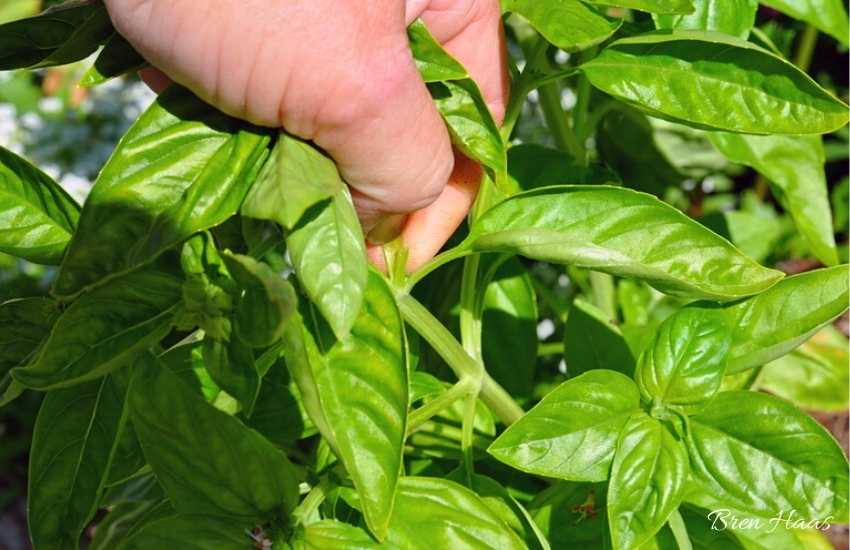
Imagine the aroma of fresh basil wafting through your home, not just in the summer, but all year round. Forget relying on expensive grocery store herbs that wilt within days. With a little know-how, you can cultivate your own thriving basil plant, bringing a touch of summer sunshine to your kitchen, no matter the season. Let's explore how to grow basil plant all year, transforming your home into an evergreen herb haven.
How To Grow Basil Plant All Year: A Comprehensive Guide
Growing basil year-round might seem daunting, especially if you live in an area with cold winters. But with the right techniques and a little planning, you can enjoy fresh basil whenever you need it. This guide will cover everything you need to know, from choosing the right variety to providing the perfect growing conditions.
Choosing the Right Basil Variety for Year-Round Growth
Not all basil varieties are created equal. Some are more suited to indoor growing and can tolerate lower light levels than others. When planning how to grow basil plant all year, consider these options:
- Genovese Basil: The classic choice for pesto and Italian dishes. While it requires a good amount of light, it's a reliable option if you can provide it.
- Thai Basil: Offers a unique anise-like flavor, is relatively easy to grow indoors, and adapts well to different conditions.
- Lemon Basil: Imparts a refreshing citrusy aroma and flavor, and is somewhat more tolerant of cooler temperatures compared to Genovese basil.
- Dwarf Basil: Compact varieties like Spicy Globe basil are ideal for small spaces and windowsill gardens. They require less light than larger varieties and are perfect for growing basil indoors all year.
Consider experimenting with different varieties to discover which ones thrive best in your specific indoor environment. Remember that proper drainage and a suitable potting mix are essential for all basil varieties, regardless of the type you choose.
Setting Up the Ideal Growing Environment
Basil, like any plant, needs the right environment to flourish. To successfully grow basil plants all year, pay close attention to these key factors:
Light
Basil needs at least 6-8 hours of sunlight per day. If you're growing it indoors, especially during the winter months, you'll likely need to supplement with artificial light. Here's a breakdown:
- Natural Light: A south-facing window is ideal. However, even with a sunny window, the intensity of sunlight can be reduced in winter.
- Grow Lights: Fluorescent or LED grow lights are an excellent option. Place the lights a few inches above the plant and keep them on for 12-16 hours per day. Consider using a full-spectrum LED grow light to provide the complete range of light needed for healthy growth.
Signs of insufficient light include leggy growth (long, thin stems with few leaves) and pale green or yellow leaves. If you notice these signs, increase the amount of light your basil plant receives.
Temperature
Basil thrives in temperatures between 65°F and 80°F (18°C and 27°C). Avoid placing your basil plant near drafts or cold windows, especially during the winter. Consistent temperature is crucial to successfully grow basil indoors during colder seasons.
Humidity
While basil doesn't require high humidity, it appreciates a slightly humid environment. Dry indoor air, particularly during winter, can be a problem. Here are a few ways to increase humidity:
- Humidifier: A small room humidifier can significantly improve the humidity levels around your plants.
- Pebble Tray: Place a tray filled with pebbles and water under the pot. As the water evaporates, it will increase the humidity.
- Misting: Mist your basil plant lightly with water a couple of times a day. Avoid over-misting, as this can lead to fungal diseases.
Potting and Soil for Thriving Basil Plants
Choosing the right pot and soil is crucial for a healthy basil plant. Here’s what you need to consider:
- Pot Size: Start with a pot that's at least 6 inches in diameter. As your basil plant grows, you may need to transplant it to a larger pot (8-10 inches). Ensure that the pot has drainage holes to prevent waterlogging.
- Potting Mix: Use a well-draining potting mix specifically formulated for herbs or vegetables. Avoid using garden soil, as it can become compacted and doesn't drain well. A good potting mix should contain ingredients like peat moss, perlite, and vermiculite.
Proper drainage is paramount. Basil roots are susceptible to rot if they sit in waterlogged soil. Adding a layer of gravel or pebbles at the bottom of the pot can improve drainage.
Watering and Fertilizing Basil Indoors
Watering and fertilizing are critical aspects of growing basil indoors. The right balance is key to healthy growth and preventing common problems.
Watering
Water your basil plant when the top inch of soil feels dry to the touch. Avoid overwatering, as this can lead to root rot. Here are some watering tips:
- Check the Soil: Use your finger to check the moisture level of the soil before watering.
- Water Thoroughly: When you water, water thoroughly until water drains out of the drainage holes.
- Empty the Saucer: Empty the saucer under the pot to prevent the plant from sitting in standing water.
- Watering Frequency: The frequency of watering will depend on the size of the pot, the type of potting mix, and the temperature and humidity of your home.
Fertilizing
Basil is a relatively light feeder, but it still benefits from regular fertilization, especially when growing indoors. Use a balanced liquid fertilizer diluted to half strength every 2-4 weeks during the growing season (spring and summer). Reduce or stop fertilizing during the winter months when growth slows down.
Look for a fertilizer with an N-P-K ratio (nitrogen, phosphorus, potassium) of around 10-10-10 or 20-20-20. Over-fertilizing can lead to leggy growth and a decrease in flavor, so it's always better to err on the side of caution.
Taking care of the garden can be a breeze with the right tools! For example, you can ensure your plant receives adequate water with a qualitygarden hose. The Garden Hose 75 FT with 10-Function Nozzle, Leak-proof Metal Connector Water Hose, No Knots, Kink-Free, Lighter, Anti-Pets, Wear-Resistant, 3/4 GHT, Metal Hose for Garden, Yard, Outdooris a fantastic choice. This metal hose boasts impressive kink resistance and is crafted for long-lasting use, making your watering duties much simpler. You can explore this resilient 75 ft garden water hosefurther here:https://amzn.to/3Yv E0Bo.
Harvesting and Pruning to Encourage Growth
Regular harvesting and pruning are essential for maintaining a healthy and productive basil plant. Here's how to do it:
- Harvesting: Harvest basil leaves regularly, starting when the plant is about 6-8 inches tall. Pinch off the top leaves to encourage bushier growth.
- Pruning: Prune the plant regularly to remove any yellowing or dead leaves. This will help to prevent diseases and pests.
- Pinching off Flower Buds: As flower buds appear, pinch them off. Allowing the plant to flower will reduce leaf production and can affect the flavor of the leaves.
When harvesting, always cut the stems just above a leaf node (the point where a leaf or branch emerges from the stem). This will encourage new growth to sprout from that point. Aim to harvest about one-third of the plant at a time to avoid stressing it.
Common Problems and Solutions
Even with the best care, basil plants can sometimes encounter problems. Here are some common issues and how to address them:
- Yellowing Leaves: Can be caused by overwatering, underwatering, nutrient deficiencies, or pests. Check the soil moisture, fertilize if necessary, and inspect the plant for pests.
- Root Rot: Caused by overwatering and poor drainage. Ensure that your pot has drainage holes and that you're not overwatering. If root rot is severe, you may need to repot the plant with fresh potting mix.
- Pests: Common pests include aphids, spider mites, and whiteflies. Inspect your plant regularly and treat any infestations with insecticidal soap or neem oil.
- Fungal Diseases: Can be caused by high humidity and poor air circulation. Improve air circulation by providing adequate spacing between plants and avoid over-misting.
Early detection and prompt treatment are key to preventing problems from becoming severe. Regularly inspect your basil plant for any signs of distress.
Propagating Basil from Cuttings
One of the easiest ways to expand your basil collection is by propagating from cuttings. Here's how to do it:
- Take a Cutting: Cut a 4-6 inch stem from a healthy basil plant, just below a leaf node. Remove the lower leaves from the cutting.
- Rooting: Place the cutting in a glass of water, ensuring that the lower nodes are submerged. Place the glass in a bright, indirect light location.
- Transplanting: Within a week or two, roots should begin to form. Once the roots are about an inch long, transplant the cutting into a pot filled with well-draining potting mix.
Propagating from cuttings is a cost-effective way to ensure a continuous supply of fresh basil. It's also a great way to share your favorite basil varieties with friends and family.
Conclusion: Enjoy Fresh Basil Year-Round
Growing basil indoors all year round is a rewarding experience that brings the flavors and aromas of summer into your home, no matter the season. By following these guidelines, you can create the perfect environment for your basil plants to thrive, ensuring a continuous supply of fresh, flavorful herbs for your culinary creations. So, embrace the challenge, and start growing your own indoor basil garden today!