Picture this: you’re making a delicious pesto, but you're out of fresh basil! A quick trip to the grocery store solves the problem, but what if you could extend the life of that store-bought basil and create an endless supply? The good news is, with a little know-how, you absolutely can! Growing Basil From Store-Bought: A Complete Guide So, can you really grow basil from store bought bunches? Absolutely! It's a fantastic way to save money, reduce waste, and enjoy fresh basil whenever you need it. However, the success of growing basil from store bought depends on a few key factors. This article will walk you through the entire process, from selecting the right basil to harvesting your homegrown leaves. We'll cover everything you need to know to successfully propagate basil from your grocery store haul. Selecting the Right Store-Bought Basil for Propagation Not all store-bought basil is created equal when it comes to propagation. To increase your ...
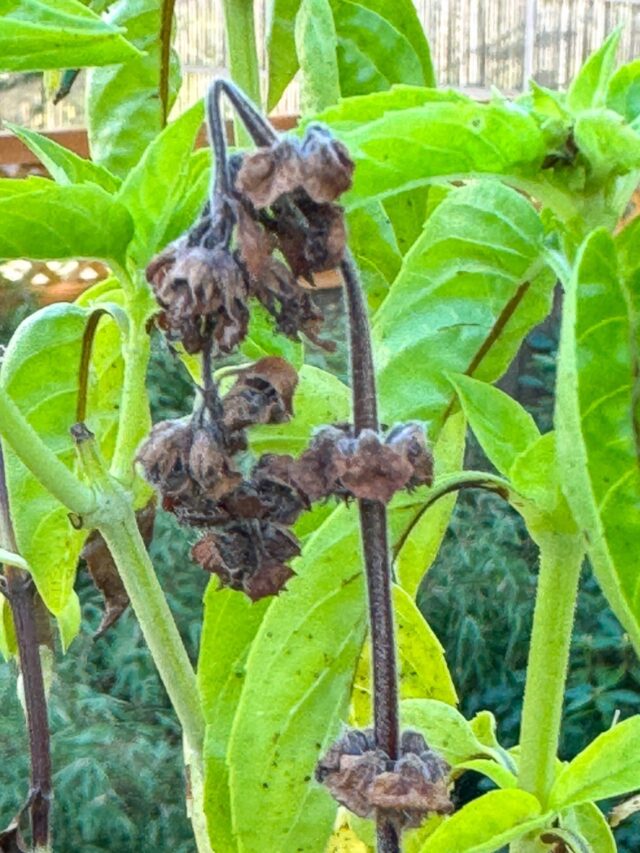
The aroma of fresh basil, a hint of summer sunshine, and the satisfaction of nurturing a plant from a tiny seed - it's a truly rewarding experience. Growing basil from seed isn't as intimidating as you might think. With a little patience and guidance, you can have a thriving basil plant ready to flavor your favorite dishes.
Starting Your Basil Journey: How to Grow Basil From Seeds
So, you're ready to embark on your basil-growing adventure? Excellent choice! Basil is a culinary staple and an easy herb to cultivate, even for beginners. Let's delve into the nitty-gritty of how to grow basil from seeds successfully, ensuring a bountiful harvest.
Choosing the Right Basil Seeds
First and foremost, selecting the right seeds is paramount. There are many basil varieties, each with its unique flavor and appearance. Consider these popular choices:
- Sweet Basil: The most common variety, ideal for pesto and Italian dishes.
- Thai Basil: Anise-flavored, perfect for Southeast Asian cuisine.
- Lemon Basil: Offers a citrusy aroma and taste, great for salads and teas.
- Purple Basil: Adds a visual appeal to your garden and a slightly different flavor profile.
When purchasing seeds, opt for reputable suppliers to ensure high germination rates. Look for information about the plant's mature size and sun requirements on the seed packet. Check the expiration date. Seeds lose viability over time, so fresher seeds are always better.
Germination Rates: A Key Factor
Germination rate refers to the percentage of seeds that are expected to sprout. A high germination rate means more of your seeds will likely turn into plants. Seed packets often provide this information. If not, you can perform a simple germination test by placing a few seeds on a damp paper towel, sealing it in a plastic bag, and observing for sprouts within a week. This helps you gauge the seed's viability before planting everything.
Keep in mind that factors like temperature and moisture also play a significant role in germination success.
When to Plant Basil Seeds
Timing is everything! Basil is a warm-weather herb and susceptible to frost damage. Planting at the right time ensures optimal growth.
Starting Seeds Indoors vs. Outdoors
You have two options: starting seeds indoors or directly sowing them outdoors. Here's a breakdown:
- Starting Indoors: Begin 6-8 weeks before the last expected frost. This gives your basil seedlings a head start and protects them from unpredictable weather. Use seed starting trays or small pots filled with a seed-starting mix.
- Direct Sowing Outdoors: Only when the soil temperature consistently reaches 65-70°F (18-21°C). This usually happens after the last frost.
Starting indoors offers several advantages, including better control over temperature and moisture. It also allows you to extend the growing season. However, direct sowing eliminates the need for transplanting, which can sometimes stress young seedlings.
The best time to sow the seeds outside is between mid to late spring. But this may be different depending on your location.
The Step-by-Step Guide to Growing Basil From Seeds
Now, let's get our hands dirty! Here's a detailed, step-by-step guide on how to grow basil from seeds:
Step 1: Preparing the Soil
Basil thrives in well-draining soil rich in organic matter. Amend your garden soil with compost or aged manure to improve its fertility and drainage. A slightly acidic to neutral p H (6.0-7.5) is ideal. You can test your soil p H using a simple soil testing kit available at most garden centers.
If you're starting seeds indoors, use a seed-starting mix, which is specifically formulated to provide the right balance of nutrients and drainage for young seedlings. Avoid using garden soil directly in seed trays, as it can be too heavy and compact.
Step 2: Sowing the Seeds
Whether you're starting indoors or outdoors, sow the seeds shallowly, about ¼ inch deep. Gently press the seeds into the soil and cover them lightly. Basil seeds need light to germinate, so don't bury them too deeply.
For indoor starting, sow 2-3 seeds per cell or pot. For direct sowing, space the seeds about 1 inch apart. Thin the seedlings later, if necessary, to provide adequate space for growth.
Step 3: Providing the Right Environment
Basil seeds need warmth and moisture to germinate. Maintain a soil temperature of 70-80°F (21-27°C) for optimal germination. Use a heat mat under your seed trays to provide consistent warmth, especially if you're starting indoors. Keep the soil consistently moist, but not waterlogged. Use a spray bottle to gently mist the soil surface.
Once the seedlings emerge, provide them with plenty of light. Place them under grow lights or near a sunny window that receives at least 6 hours of direct sunlight per day. If using a windowsill, rotate the seedlings regularly to prevent them from leaning towards the light source.
Step 4: Thinning the Seedlings
Once the seedlings have developed their first set of true leaves (the second set of leaves to emerge after the initial seed leaves), thin them out to allow for proper spacing. Remove the weaker seedlings, leaving only the strongest one per cell or pot. Gently snip the seedlings at the soil line with scissors to avoid disturbing the roots of the remaining plant.
Step 5: Transplanting (if starting indoors)
Once the seedlings are about 2-3 inches tall and have developed several sets of true leaves, they're ready to be transplanted outdoors. Harden them off gradually by exposing them to increasing amounts of outdoor sunlight and temperatures over a period of 7-10 days. This helps them acclimate to the outdoor environment and reduces transplant shock.
Choose a sunny location with well-draining soil. Dig holes slightly larger than the root balls of the seedlings. Gently remove the seedlings from their containers and place them in the holes. Backfill with soil and water thoroughly. Space the plants about 12-18 inches apart to allow for adequate air circulation.
Caring for Your Basil Plants
Congratulations! You've successfully planted your basil seedlings. Now, it's time to provide them with the ongoing care they need to thrive.
Watering
Basil needs consistent moisture, especially during hot weather. Water deeply whenever the top inch of soil feels dry to the touch. Avoid overwatering, as this can lead to root rot. Water in the morning to allow the foliage to dry before nightfall, which helps prevent fungal diseases.
Fertilizing
Basil is a relatively light feeder, but it benefits from regular fertilization. Feed your plants every 2-3 weeks with a balanced liquid fertilizer diluted to half strength. Alternatively, you can amend the soil with compost or aged manure at planting time and then side-dress with compost throughout the growing season.
Pruning and Harvesting
Pruning and harvesting are essential for promoting bushy growth and preventing your basil plant from flowering. Once the plant reaches about 6 inches tall, pinch off the top set of leaves above a leaf node. This encourages the plant to branch out and produce more leaves. Continue pinching off the growing tips regularly throughout the growing season.
Harvest basil leaves as needed, starting with the larger, lower leaves. Avoid removing more than one-third of the plant's foliage at a time. If flower buds appear, pinch them off immediately to prolong the plant's leaf production. Flowering signals the end of the plant's life cycle, and the leaves will become less flavorful once the plant starts to bloom.
Pest and Disease Control
Basil is relatively pest-resistant, but it can be susceptible to aphids, spider mites, and Japanese beetles. Inspect your plants regularly for signs of infestation and take action promptly. Handpick pests, spray with insecticidal soap, or use neem oil.
To prevent fungal diseases, provide good air circulation and avoid overwatering. If you notice signs of fungal infection, such as leaf spots or powdery mildew, remove the affected leaves and spray with a fungicide.
A helpful tip: Companion planting is also beneficial. Marigolds and basil are great companions because marigolds repel many pests.
Troubleshooting Common Problems When Growing Basil From Seeds
Even with the best care, you may encounter some challenges along the way. Here are some common problems and how to address them:
- Poor Germination: Ensure the seeds are fresh and the soil temperature is within the optimal range. Check the moisture level and avoid overwatering.
- Leggy Seedlings: Provide adequate light. Leggy seedlings are often a sign that they're not getting enough light.
- Yellowing Leaves: Could be a sign of overwatering, nutrient deficiency, or pest infestation. Adjust watering practices, fertilize as needed, and inspect for pests.
- Wilting: Could be caused by underwatering, overwatering, or root rot. Check the soil moisture and drainage.
Enjoying Your Homegrown Basil
Growing basil from seed is a simple, rewarding experience that adds flavor and freshness to your cooking. With a little patience and care, you'll be enjoying the taste of homegrown basil in no time! Use it fresh in salads, pesto, pasta dishes, and more. You can also dry or freeze basil leaves for later use. Remember to harvest regularly to keep your plant producing flavorful leaves throughout the growing season.
To keep your garden looking its best, consider using a high-quality garden hose. A reliable garden hose like the expanding garden hose, which boasts a 10-Function Nozzle and leak-proof metal connectors, will make watering a breeze. Its kink-free, lightweight design ensures hassle-free use. Check it out here: https://amzn.to/3Yv E0Bo.