Picture this: you’re making a delicious pesto, but you're out of fresh basil! A quick trip to the grocery store solves the problem, but what if you could extend the life of that store-bought basil and create an endless supply? The good news is, with a little know-how, you absolutely can! Growing Basil From Store-Bought: A Complete Guide So, can you really grow basil from store bought bunches? Absolutely! It's a fantastic way to save money, reduce waste, and enjoy fresh basil whenever you need it. However, the success of growing basil from store bought depends on a few key factors. This article will walk you through the entire process, from selecting the right basil to harvesting your homegrown leaves. We'll cover everything you need to know to successfully propagate basil from your grocery store haul. Selecting the Right Store-Bought Basil for Propagation Not all store-bought basil is created equal when it comes to propagation. To increase your ...
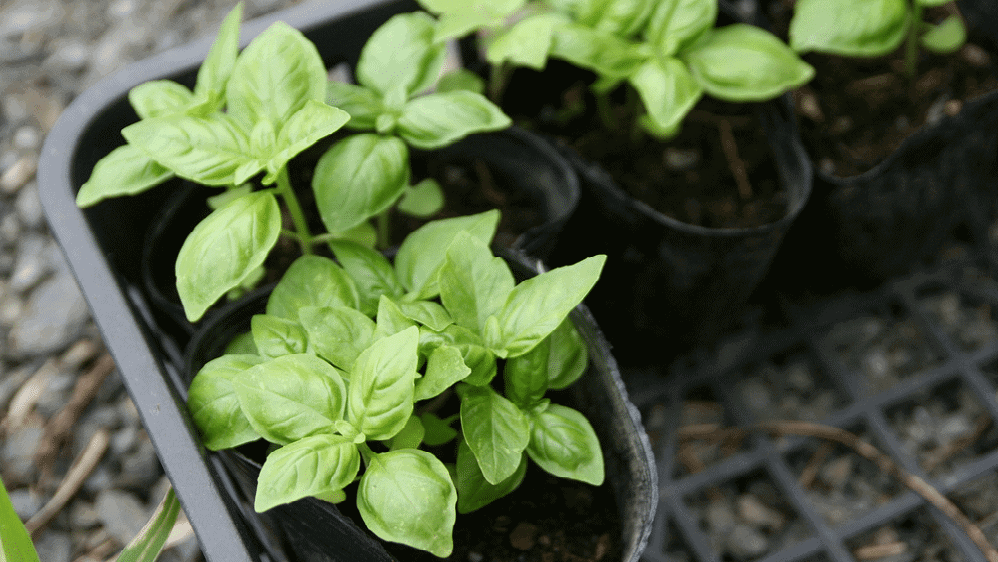
There's nothing quite like the aroma of fresh basil wafting through the air, especially when you know you grew it yourself! Growing basil from seed might seem daunting, but trust me, it's a rewarding and surprisingly simple process. Forget those wilted supermarket bunches; let's embark on a journey to cultivate your own thriving basil patch, bursting with flavor and ready to elevate your culinary creations.
Why Grow Basil From Seed?
Sure, you can buy basil seedlings from a garden center, but starting from seed offers several advantages. First and foremost, it gives you a wider variety of basil to choose from. From the classic Genovese to the vibrant Thai basil and the lemony-scented lemon basil, the options are nearly endless when you grow basil from seed. Secondly, it's more cost-effective. A packet of basil seeds costs a fraction of what you'd pay for multiple established plants. Finally, there's a unique satisfaction in nurturing a plant from its very beginnings, watching it sprout, grow, and flourish under your care.
Choosing the Right Basil Seeds
The first step in successfully growing basil from seed is selecting the right variety. Consider your culinary needs and flavor preferences. Here's a glimpse at some popular choices:
- Genovese Basil: The quintessential Italian basil, perfect for pesto, pasta sauces, and salads.
- Thai Basil: With its anise-like flavor, this basil adds an authentic touch to Asian dishes like stir-fries and curries.
- Lemon Basil: A delightful citrusy aroma and flavor make it ideal for teas, salads, and seafood dishes.
- Purple Basil: Not just for its stunning color, purple basil also offers a slightly spicier flavor that enhances many recipes.
- Globe Basil: Grows in a compact, rounded shape, making it perfect for containers. Its flavor is similar to Genovese.
When purchasing seeds, opt for reputable seed companies that offer high-quality, non-GMO seeds. Look for seed packets that specify the "days to germination" and "days to maturity" to help you plan your planting schedule.
Starting Basil Seeds Indoors
In many regions, starting basil seeds indoors is recommended, especially if you want to get a head start on the growing season. Here's how to do it:
When to Start
Begin sowing basil seeds indoors about 6-8 weeks before the last expected frost in your area. This allows the seedlings to develop a strong root system before being transplanted outdoors.
What You'll Need
- Seed starting trays or small pots
- Seed starting mix (a sterile, lightweight mix formulated for seedlings)
- Water mister or spray bottle
- Heat mat (optional, but helpful for germination)
- Grow light (optional, but recommended for strong seedling development)
The Process
- Prepare the Seed Starting Trays: Fill the trays or pots with seed starting mix, leaving about half an inch of space at the top.
- Sow the Seeds: Sprinkle 2-3 basil seeds per cell or pot. Gently press them into the soil but don't bury them too deeply. They need light to germinate.
- Water Gently: Use a water mister to moisten the soil. Avoid overwatering, which can lead to damping-off (a fungal disease that affects seedlings).
- Provide Warmth: Basil seeds germinate best in warm conditions (around 70-80°F). Place the trays on a heat mat or in a warm location.
- Provide Light: If you're not using a grow light, place the trays in a bright, sunny window. However, be careful to avoid scorching the seedlings with direct sunlight. Grow lights provide consistent and optimal light for healthy growth.
- Maintain Moisture: Keep the soil consistently moist but not waterlogged. Check the soil daily and mist as needed.
Germination and Seedling Care
Basil seeds typically germinate within 5-10 days. Once the seedlings emerge, thin them to one plant per cell or pot, selecting the strongest and healthiest seedling. Continue providing adequate light and moisture. As the seedlings grow, you can start fertilizing them with a diluted liquid fertilizer formulated for seedlings.
Speaking of garden care, a dependablewater hose is essential for keeping your growing basil patch hydrated. AGarden Hose 75 FT with 10-Function Nozzle, Leak-proof Metal Connector Water Hose, No Knots, Kink-Free, Lighter, Anti-Pets, Wear-Resistant, 3/4 GHT, Metal Hose for Garden, Yard, Outdoor can make watering your plants a breeze. You can find one here: https://amzn.to/3Yv E0Bo.
Direct Sowing Basil Seeds Outdoors
Direct sowing basil seeds outdoors is possible, but it's best suited for warmer climates with longer growing seasons. Here's what you need to know:
When to Sow
Wait until all danger of frost has passed and the soil has warmed up to at least 60°F (15°C). This is typically a few weeks after the last expected frost. Check your local weather forecasts and soil temperature readings to ensure optimal conditions.
Preparing the Soil
Basil thrives in well-drained, fertile soil with a p H between 6.0 and
7.5. Before sowing, amend the soil with compost or well-rotted manure to improve drainage and nutrient content. Remove any rocks, weeds, or debris from the planting area.
Sowing the Seeds
Sow basil seeds about ¼ inch deep and 12-18 inches apart. Gently pat the soil over the seeds and water lightly. Keep the soil consistently moist until the seedlings emerge.
Thinning the Seedlings
Once the seedlings are a few inches tall, thin them to the desired spacing. This allows the remaining plants to have enough room to grow and develop.
Caring for Your Basil Plants
Whether you started your basil seeds indoors or outdoors, proper care is essential for healthy growth and abundant harvests. Here are some key tips:
Sunlight
Basil requires at least 6-8 hours of sunlight per day. Choose a location that receives plenty of direct sunlight.
Watering
Water basil regularly, especially during hot, dry weather. Aim to keep the soil consistently moist but not waterlogged. Water at the base of the plant to avoid wetting the leaves, which can increase the risk of fungal diseases.
Fertilizing
Basil benefits from regular fertilization. Use a balanced liquid fertilizer every 2-3 weeks, following the package instructions.
Pinching and Pruning
Pinching and pruning are essential for encouraging bushy growth and preventing basil from flowering too early. Pinch off the top set of leaves when the plant is about 6 inches tall. Continue pinching and pruning throughout the growing season. When you see flower buds forming, pinch them off to encourage leaf production. The more you harvest, the more the plant will produce!
Pest and Disease Control
Basil is relatively pest-resistant, but it can be susceptible to aphids, spider mites, and Japanese beetles. Inspect your plants regularly and take action if you notice any signs of infestation. Use organic pest control methods like insecticidal soap or neem oil. Damping off, as noted above, is one of the main issues in the very young stages. Good air circulation and careful watering can help prevent issues with damping off.
Harvesting Basil
You can start harvesting basil leaves as soon as the plant is about 6-8 inches tall. Pinch or cut off the leaves just above a set of leaves. Harvest regularly to encourage continuous growth. For the best flavor, harvest basil in the morning after the dew has dried.
Enjoying Your Homegrown Basil
Now comes the best part: enjoying the fruits (or rather, leaves) of your labor! Fresh basil adds a burst of flavor to countless dishes. Here are just a few ideas:
- Pesto: The classic basil sauce for pasta, sandwiches, and more.
- Caprese Salad: Sliced tomatoes, mozzarella, and fresh basil drizzled with balsamic glaze.
- Pizza Topping: Add fresh basil leaves to your homemade or store-bought pizza.
- Pasta Sauces: Incorporate basil into your favorite tomato-based or cream-based pasta sauces.
- Salads: Add chopped basil to salads for a refreshing flavor boost.
- Infused Oils and Vinegars: Create your own basil-infused oils and vinegars for dressings, marinades, and dipping sauces.
Growing basil from seed is a rewarding experience that brings fresh, flavorful herbs right to your fingertips. With a little care and attention, you can enjoy a bountiful basil harvest all season long. So, grab some seeds, get your hands dirty, and start growing! You will be amazed at the satisfaction and freshness you get from homegrown basil.