Picture this: you’re making a delicious pesto, but you're out of fresh basil! A quick trip to the grocery store solves the problem, but what if you could extend the life of that store-bought basil and create an endless supply? The good news is, with a little know-how, you absolutely can! Growing Basil From Store-Bought: A Complete Guide So, can you really grow basil from store bought bunches? Absolutely! It's a fantastic way to save money, reduce waste, and enjoy fresh basil whenever you need it. However, the success of growing basil from store bought depends on a few key factors. This article will walk you through the entire process, from selecting the right basil to harvesting your homegrown leaves. We'll cover everything you need to know to successfully propagate basil from your grocery store haul. Selecting the Right Store-Bought Basil for Propagation Not all store-bought basil is created equal when it comes to propagation. To increase your ...
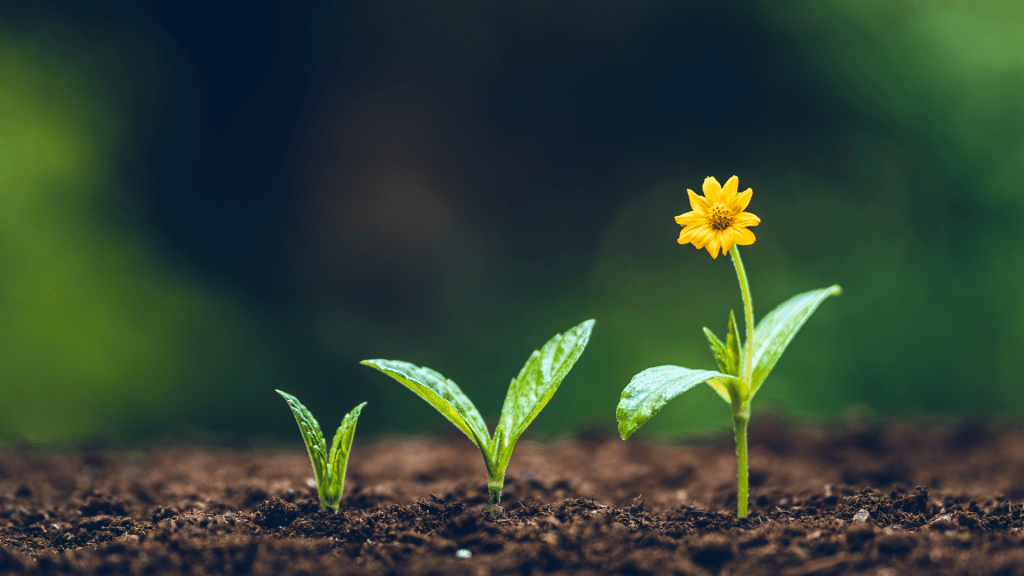
Dreaming of fragrant pesto, fresh Caprese salads, or simply the delightful aroma of basil wafting through your Arizona garden? You absolutely can grow this culinary superstar outdoors, even in the desert climate. It takes a little know-how, and a bit of dedication, but the rewards are well worth the effort. Let's dive into the specifics of cultivating thriving basil plants in the unique environment of Arizona.
Growing Basil Outdoors in Arizona: A Comprehensive Guide
Growing herbs, especially basil, in the Arizona landscape presents some specific challenges. The intense sun, dry air, and extreme temperature fluctuations require careful planning and execution. However, with the right approach, you can successfully grow a bounty of basil right in your own backyard. Understanding these challenges is the first step towards a flourishing basil harvest. Factors like intense sunlight, potential for pests, and nutrient availability in the soil are all important to consider.
Choosing the Right Basil Variety for Arizona
Not all basil varieties are created equal, especially when it comes to tolerating the Arizona heat. Some types are more resilient and adaptable to our specific climate. Consider these options:
- Genovese Basil: This is a classic choice, known for its robust flavor and suitability for pesto. It's a good all-around option for Arizona gardens.
- Thai Basil: With its anise-like flavor, Thai basil is heat-tolerant and thrives in warmer climates.
- Lemon Basil: Its citrusy aroma and flavor add a unique twist to dishes and is also a relatively hardy variety.
- African Blue Basil: Although technically a perennial (and therefore less cold hardy), African Blue Basil is very heat tolerant and attracts pollinators. It might need some protection from winter frosts.
When selecting your basil variety, check the plant tag for information on sun exposure and heat tolerance. Local nurseries are an excellent resource, as they often carry varieties that are proven to thrive in the specific microclimates of your region.
Optimal Planting Time for Outdoor Basil in AZ
Timing is crucial when growing basil outdoors in AZ. You'll want to avoid planting too early, when there's still a risk of frost, or too late, when the intense summer heat can overwhelm young plants.
- Ideal Planting Window: Mid-March to early May is generally the best time to plant basil outdoors in Arizona. This allows the plants to establish themselves before the hottest summer months arrive.
- Second Planting: You can also do a second planting in late August or early September for a fall harvest. This allows the basil to mature during the milder temperatures of autumn.
Keep an eye on the weather forecast and be prepared to protect your young basil plants from unexpected cold snaps with row covers or blankets. You can also start your basil indoors from seed 6-8 weeks before the last expected frost date and transplant the seedlings outdoors once the weather has warmed up consistently.
Sunlight and Location Considerations for Basil in AZ
Arizona's intense sun requires careful consideration when choosing a location for your basil plants. While basil needs sunlight to thrive, too much direct sun can scorch the leaves, especially during the hottest part of the day.
- Partial Shade is Key: Aim for a location that receives morning sun and afternoon shade. This will provide the plants with the light they need while protecting them from the harshest rays.
- Eastern Exposure: An eastern-facing location is ideal, as it provides morning sun and afternoon shade.
- Western Exposure with Protection: If you only have a western exposure, consider using shade cloth or planting your basil near taller plants that can provide some afternoon shade.
Pay attention to the microclimate of your yard. Areas near walls or fences can retain heat, while areas near trees may be cooler and shadier. Choose a location that offers the best balance of sun and shade for your basil plants. Another important factor is airflow; good air circulation helps prevent fungal diseases. Avoid planting basil in overly sheltered areas with poor ventilation.
Soil Preparation and Planting Basil in Arizona
The quality of your soil is essential for healthy basil growth. Arizona soils are often alkaline and nutrient-poor, so amending the soil is crucial.
- Amend with Organic Matter: Incorporate plenty of compost, aged manure, or other organic matter into the soil before planting. This will improve drainage, water retention, and nutrient availability.
- Soil p H: Basil prefers a slightly acidic to neutral soil p H (around 6.0 to
7.5). You can test your soil p H with a soil testing kit and amend it if necessary.
- Well-Draining Soil: Basil needs well-draining soil to prevent root rot. Avoid planting in heavy clay soils. If your soil is compacted, consider planting in raised beds or containers.
When planting, space your basil plants about 12-18 inches apart to allow for adequate air circulation. Dig a hole that is slightly larger than the root ball and gently loosen the roots before planting. Water thoroughly after planting and mulch around the base of the plants to help retain moisture and suppress weeds.
Watering Basil in the Arizona Climate
Watering is critical for growing basil outdoors in AZ, especially during the hot summer months. Basil needs consistent moisture, but it doesn't like to be waterlogged.
- Frequency: Water deeply and regularly, especially during hot, dry weather. Check the soil moisture level regularly and water when the top inch of soil feels dry.
- Method: Water at the base of the plant to avoid wetting the leaves, which can lead to fungal diseases. Drip irrigation is an excellent option for providing consistent moisture to basil plants.
- Time of Day: Water in the morning to allow the foliage to dry before nightfall. This will help prevent fungal diseases.
Avoid overwatering, which can lead to root rot. Look for signs of underwatering, such as wilting or yellowing leaves. Adjust your watering schedule based on the weather conditions and the needs of your plants. During monsoon season, be especially careful to monitor soil moisture levels, as heavy rains can quickly saturate the soil.
Fertilizing Basil for Optimal Growth
Basil is a relatively heavy feeder, so regular fertilization is essential for optimal growth and flavor. Choose a fertilizer that is balanced and formulated for herbs.
- Fertilizer Type: Use a balanced, water-soluble fertilizer or an organic fertilizer formulated for herbs.
- Frequency: Fertilize every 2-3 weeks during the growing season.
- Application: Follow the instructions on the fertilizer label carefully. Avoid over-fertilizing, which can burn the roots and damage the plants.
Consider using compost tea as a natural fertilizer. Compost tea is a nutrient-rich liquid that can be applied to the soil or used as a foliar spray. It is a great way to provide your basil plants with essential nutrients and beneficial microbes. You can also amend the soil with slow-release organic fertilizers at planting time. These fertilizers will gradually release nutrients into the soil over time.
Pest and Disease Control for Basil in AZ
While basil is generally a relatively pest-resistant plant, it can be susceptible to certain pests and diseases, especially in the humid conditions that can sometimes occur during monsoon season. Here are some common problems and how to address them:
- Aphids: These small, sap-sucking insects can infest basil plants, causing stunted growth and distorted leaves. Control aphids with insecticidal soap or neem oil.
- Spider Mites: These tiny pests can cause yellowing and stippling on the leaves. Control spider mites with insecticidal soap or horticultural oil.
- Whiteflies: These small, white insects can suck sap from the leaves, causing them to turn yellow and drop off. Control whiteflies with insecticidal soap or yellow sticky traps.
- Fungal Diseases: Fungal diseases such as downy mildew and fusarium wilt can affect basil plants, especially in humid conditions. Prevent fungal diseases by providing good air circulation, avoiding overwatering, and applying a fungicide if necessary.
Regularly inspect your basil plants for signs of pests or diseases. Early detection and treatment are essential for preventing serious problems. Encourage beneficial insects, such as ladybugs and lacewings, which can help control pests naturally. Consider using companion planting to deter pests and attract beneficial insects. For example, planting basil near tomatoes can help repel tomato hornworms.
Harvesting Basil for Maximum Flavor
Regular harvesting is essential for encouraging bushy growth and maximizing flavor. Here are some tips for harvesting basil:
- Pinch Off Flowers: Pinch off the flower heads as soon as they appear. This will prevent the plant from going to seed and will encourage it to produce more leaves.
- Harvest Regularly: Harvest leaves regularly, even if you don't need them right away. This will keep the plant producing new growth.
- Cutting Technique: Cut stems just above a leaf node. This will encourage the plant to branch out and produce more leaves.
- Best Time to Harvest: Harvest basil in the morning, after the dew has dried. This is when the leaves are at their most flavorful.
To preserve your basil harvest, you can dry the leaves, freeze them, or make pesto. Dried basil loses some of its flavor, but it can still be used in cooking. Frozen basil retains its flavor better than dried basil. Pesto is a delicious way to preserve a large basil harvest. You can freeze pesto in ice cube trays for easy use in sauces, soups, and other dishes.
Protecting Basil from the Arizona Elements
Besides choosing the right location with partial shade, there are additional steps you can take to protect your basil from the harsh Arizona elements.
- Shade Cloth: During the hottest months, consider using shade cloth to protect your basil plants from the intense sun. Shade cloth can reduce the amount of sunlight that reaches the plants by 30-50%.
- Mulch: Mulch around the base of the plants to help retain moisture and keep the soil cool. Organic mulches, such as straw or wood chips, are ideal.
- Watering During Heat Waves: During heat waves, water your basil plants more frequently and consider misting the leaves to help keep them cool.
- Protection from Cold: In the winter, protect your basil plants from frost by covering them with blankets or row covers. You can also move container-grown basil plants indoors during cold spells.
Even with these precautions, some basil varieties may struggle during the hottest parts of the summer. Don't be discouraged if your plants look a little stressed during this time. They should recover once the temperatures cool down in the fall. Consider planting some heat-tolerant herbs, such as oregano or rosemary, to provide a consistent supply of fresh herbs during the summer months.
Having the right tools for the job makes gardening a lot easier. To efficiently water your basil plants, consider a high-quality Garden Hose, especially a75 FT Garden Watering Hose with a 10-Function Nozzle for all your gardening needs. This75 FT Garden Watering Hose is leak-proof and kink-free. You can find it here: https://amzn.to/3Yv E0Bo.
Troubleshooting Common Basil Growing Problems in AZ
Even with the best planning, you may encounter some problems when growing basil outdoors in Arizona. Here are some common issues and how to troubleshoot them:
- Yellowing Leaves: Yellowing leaves can be caused by a variety of factors, including overwatering, underwatering, nutrient deficiencies, or pest infestations. Check the soil moisture level and adjust your watering schedule accordingly. Fertilize regularly with a balanced fertilizer. Inspect the plants for signs of pests and treat accordingly.
- Wilting Leaves: Wilting leaves can be caused by underwatering, heat stress, or root rot. Water deeply and regularly, especially during hot weather. Provide shade during the hottest part of the day. Ensure that the soil is well-draining to prevent root rot.
- Stunted Growth: Stunted growth can be caused by nutrient deficiencies, pest infestations, or poor soil quality. Fertilize regularly with a balanced fertilizer. Amend the soil with organic matter to improve drainage and nutrient availability. Inspect the plants for signs of pests and treat accordingly.
- Leggy Growth: Leggy growth can be caused by insufficient sunlight or infrequent harvesting. Provide your basil plants with at least 6 hours of sunlight per day. Harvest regularly to encourage bushy growth.
Don't be afraid to experiment and adjust your approach based on your specific conditions. Gardening is a learning process, and every year will bring new challenges and opportunities.
Basil Growing in Containers in Arizona
If you're short on space or have poor soil, growing basil in containers is a great option. Here are some tips for growing basil in containers in Arizona:
- Container Size: Choose a container that is at least 12 inches in diameter. This will provide enough room for the roots to grow.
- Potting Mix: Use a high-quality potting mix that is well-draining. Avoid using garden soil, which can become compacted in containers.
- Drainage: Make sure the container has drainage holes to prevent waterlogging.
- Location: Place the container in a location that receives morning sun and afternoon shade.
- Watering: Water the container regularly, especially during hot weather. Containers tend to dry out more quickly than garden beds.
- Fertilizing: Fertilize the container every 2-3 weeks with a balanced fertilizer.
Growing basil in containers allows you to easily move the plants to different locations to provide them with the best possible growing conditions. For example, you can move the containers indoors during cold spells or to a shadier location during heat waves.
Growing basil outdoors in Arizona can be a rewarding experience. By following these tips, you can successfully grow a bounty of flavorful basil right in your own backyard. With a little planning and care, you can enjoy fresh basil all season long!