Picture this: you’re making a delicious pesto, but you're out of fresh basil! A quick trip to the grocery store solves the problem, but what if you could extend the life of that store-bought basil and create an endless supply? The good news is, with a little know-how, you absolutely can! Growing Basil From Store-Bought: A Complete Guide So, can you really grow basil from store bought bunches? Absolutely! It's a fantastic way to save money, reduce waste, and enjoy fresh basil whenever you need it. However, the success of growing basil from store bought depends on a few key factors. This article will walk you through the entire process, from selecting the right basil to harvesting your homegrown leaves. We'll cover everything you need to know to successfully propagate basil from your grocery store haul. Selecting the Right Store-Bought Basil for Propagation Not all store-bought basil is created equal when it comes to propagation. To increase your ...
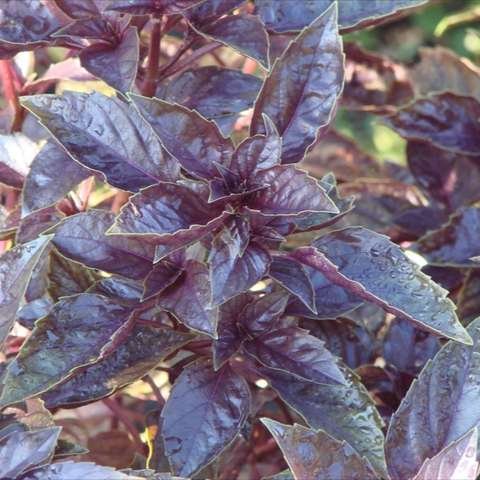
Imagine the vibrant, deep purple foliage of Red Rubin Basil adding a splash of color and aromatic delight to your garden and kitchen. Growing Red Rubin Basil from seed is a rewarding experience, offering a unique flavor profile and stunning visual appeal that sets it apart from common green basil varieties. It’s easier than you might think, and this guide will walk you through every step, ensuring you cultivate a thriving Red Rubin Basil patch.
Growing Red Rubin Basil From Seed: A Comprehensive Guide
Red Rubin Basil (Ocimum basilicum 'Red Rubin') isn't just another herb; it's a statement. Its striking color and subtly different flavor profile, with hints of clove and cinnamon, make it a culinary and ornamental favorite. The journey from tiny seed to robust plant is a fulfilling one, and with the right knowledge, you can successfully grow your own Red Rubin Basil from seed. This guide will cover everything from seed starting to harvesting and beyond, ensuring you have all the information you need for a successful Red Rubin Basil growing adventure.
Understanding Red Rubin Basil
Before diving into the specifics of growing Red Rubin Basil, it's helpful to understand its unique characteristics. Unlike sweet basil, Red Rubin Basil boasts deep purple leaves, thanks to the presence of anthocyanins, the same pigments that give blueberries and red cabbage their color. This pigment not only gives the plant its visual appeal but also contributes to its slightly different flavor. Red Rubin Basil tends to have a more pronounced clove-like flavor, making it an excellent addition to salads, pestos, and sauces.
- Flavor Profile: Clove-like with hints of cinnamon
- Appearance: Deep purple leaves
- Growth Habit: Similar to sweet basil, but potentially more compact
- Uses: Culinary (salads, pesto, sauces) and ornamental
Starting Red Rubin Basil Seeds
The first step in growing Red Rubin Basil is, of course, starting the seeds. You can either start them indoors or directly sow them outdoors, but starting indoors is generally recommended, especially in regions with shorter growing seasons. This gives your plants a head start and protects them from unpredictable spring weather.
Indoor Seed Starting
Starting Red Rubin Basil seeds indoors offers several advantages, including better control over the growing environment and a longer growing season. Here's how to do it:
- Timing: Start seeds 6-8 weeks before the last expected frost.
- Materials: You'll need seed starting trays or small pots, a seed starting mix (a sterile, well-draining mix is crucial), a spray bottle, and a warm, sunny location or grow lights.
- Sowing: Moisten the seed starting mix and fill the trays or pots. Sow the Red Rubin Basil seeds about ¼ inch deep, spacing them about an inch apart. Gently cover with soil and lightly mist with water.
- Germination: Keep the soil consistently moist but not waterlogged. Cover the trays with a humidity dome or plastic wrap to retain moisture. Place in a warm location (70-75°F is ideal) or under grow lights. Seeds should germinate in 5-10 days.
- Care: Once the seedlings emerge, remove the humidity dome and provide plenty of light. If using grow lights, keep them a few inches above the seedlings. Water gently when the soil surface feels dry.
- Transplanting: Once the seedlings have developed a few sets of true leaves (the leaves that appear after the initial seed leaves), they're ready to be transplanted into larger pots.
Fact: Red Rubin Basil seeds are tiny, so handle them with care. Using tweezers or a damp toothpick can help with precise placement.
Direct Sowing Outdoors
If you live in a region with a long, warm growing season, you can directly sow Red Rubin Basil seeds outdoors. However, be aware that germination rates may be lower, and the plants will take longer to mature.
- Timing: Sow seeds after the last expected frost when the soil has warmed to at least 60°F.
- Soil Preparation: Choose a sunny location with well-draining soil. Amend the soil with compost or other organic matter to improve fertility and drainage.
- Sowing: Sow the seeds about ¼ inch deep, spacing them about 12 inches apart. Gently cover with soil and lightly water.
- Care: Keep the soil consistently moist until the seedlings emerge. Thin the seedlings to the strongest plants, spacing them about 12 inches apart.
Caring for Your Red Rubin Basil Plants
Whether you started your Red Rubin Basil seeds indoors or directly sowed them outdoors, proper care is essential for healthy growth and abundant harvests. This includes providing the right amount of sunlight, water, and nutrients, as well as protecting the plants from pests and diseases.
Sunlight and Watering
Red Rubin Basil thrives in full sun, requiring at least 6-8 hours of direct sunlight per day. In hotter climates, some afternoon shade may be beneficial to prevent the leaves from scorching. Water regularly, especially during hot, dry weather. Keep the soil consistently moist, but avoid overwatering, which can lead to root rot. A good rule of thumb is to water when the top inch of soil feels dry to the touch. Use a watering can or hose to water at the base of the plant, avoiding wetting the leaves, which can encourage fungal diseases.
Soil and Fertilizing
Red Rubin Basil prefers well-draining soil that is rich in organic matter. Amend the soil with compost or other organic matter before planting. A slightly acidic to neutral soil p H (around 6.0-7.0) is ideal. Fertilize regularly with a balanced organic fertilizer, following the instructions on the product label. Avoid over-fertilizing, which can lead to leggy growth and reduced flavor. Side-dress with compost or worm castings every few weeks to provide a steady supply of nutrients.
Pest and Disease Control
Red Rubin Basil is generally resistant to pests and diseases, but it can be susceptible to certain problems, such as aphids, spider mites, and fungal diseases like downy mildew. Regularly inspect your plants for signs of pests or diseases and take action promptly to prevent problems from spreading.
- Aphids: These tiny insects suck sap from the leaves, causing them to become distorted and yellowed. Control aphids by spraying the plants with a strong stream of water or by using insecticidal soap.
- Spider Mites: These tiny mites create fine webs on the leaves and suck sap, causing the leaves to become stippled and bronze. Control spider mites by spraying the plants with a strong stream of water or by using miticidal soap.
- Downy Mildew: This fungal disease causes yellow spots on the upper surface of the leaves and a gray, fuzzy growth on the underside. Prevent downy mildew by providing good air circulation and avoiding overhead watering. If downy mildew appears, remove affected leaves and spray the plants with a fungicide.
To keep your Red Rubin Basil patch flourishing, consider using the "Garden Hose 75 FT with 10-Function Nozzle." Its leak-proof metal connectors and kink-free design make watering hassle-free, and the 10-function nozzle ensures you can gently water your delicate seedlings or give your mature plants a good soak. Plus, it's lighter and more wear-resistant, perfect for any garden size. You can find it here: https://amzn.to/3Yv E0Bo. Opt for a durable water pipe such as this, for a consistent water supply to all parts of the garden.
Harvesting and Using Red Rubin Basil
Harvesting Red Rubin Basil is a continuous process that encourages bushier growth and prevents the plant from flowering, which can diminish the flavor of the leaves. Start harvesting when the plants are about 6-8 inches tall. To harvest, simply pinch or cut off the top sets of leaves, just above a leaf node (the point where leaves emerge from the stem). This will encourage the plant to branch out and produce more leaves. Regularly pinch off any flower buds that appear, as flowering signals the end of the plant's productive life.
Culinary Uses
Red Rubin Basil adds a unique flavor and visual appeal to a wide range of dishes. Its clove-like flavor pairs well with tomatoes, mozzarella, olive oil, and balsamic vinegar. Use it in salads, pestos, sauces, and as a garnish for grilled meats and vegetables. The vibrant purple leaves also make it an attractive addition to herb bouquets and floral arrangements.
- Salads: Add fresh Red Rubin Basil leaves to salads for a burst of flavor and color.
- Pesto: Substitute Red Rubin Basil for traditional sweet basil in pesto for a unique twist.
- Sauces: Use Red Rubin Basil in tomato sauces, pasta sauces, and vinaigrettes.
- Garnish: Garnish grilled meats, vegetables, and salads with fresh Red Rubin Basil leaves.
Other Uses
Beyond its culinary uses, Red Rubin Basil also has medicinal and ornamental properties. The leaves can be used to make herbal teas and infusions, which are believed to have calming and digestive benefits. The plant's striking purple foliage makes it an attractive addition to flower beds and container gardens.
Case Study: A local gardener successfully integrated Red Rubin Basil into their rose garden. The deep purple foliage provided a stunning contrast to the vibrant roses, while the basil's aromatic oils helped to repel aphids and other pests.
Troubleshooting Common Problems
Even with the best care, you may encounter some challenges when growing Red Rubin Basil from seed. Here are some common problems and how to address them:
- Leggy Growth: This is often caused by insufficient sunlight. Provide more light or move the plants to a sunnier location.
- Yellowing Leaves: This can be caused by overwatering, nutrient deficiencies, or pest infestations. Adjust your watering schedule, fertilize regularly, and inspect the plants for pests.
- Slow Growth: This can be caused by cold temperatures, poor soil, or insufficient sunlight. Provide warmer temperatures, improve the soil with compost, and ensure the plants receive adequate sunlight.
- Bolting (Flowering): This is a natural process that occurs when the plant is stressed or reaches the end of its life cycle. Pinch off flower buds regularly to prevent bolting.
Growing Red Rubin Basil from seed is a journey of patience and reward. Following these steps and paying attention to the needs of your plants will ensure a bountiful harvest of flavorful and visually stunning basil. Enjoy the process, experiment with different recipes, and share your harvest with friends and family. Happy gardening!